

Back to Architecture & Design
Architecture & Design Shortlist
Historical Architecture of Iran: Endurance and Persistence Through Time
Farshid Rahimi Kalahroudi
Series description
This series explores a part of Iran’s historical architectural heritage; a land where, over centuries, patterns of settlement, public spaces, and structures have shaped the experience of living and the understanding of space. These buildings are the product of accumulated knowledge, emerging from the climate, local materials, and cultural life, and reflect a carefully measured relationship between humans and the land. Within them, function, structure, and meaning coexist in balance. The photographer notes that documenting these historic buildings ‘is a form of responsibility, in a country continuously experiencing hardship and sorrow.’ They still stand, ‘a resilient presence in the landscape of the present.’ This series is an effort to observe, read, and record this continuity: ‘to show that architecture can remain a living memory and a narrator of identity, even in challenging times.’
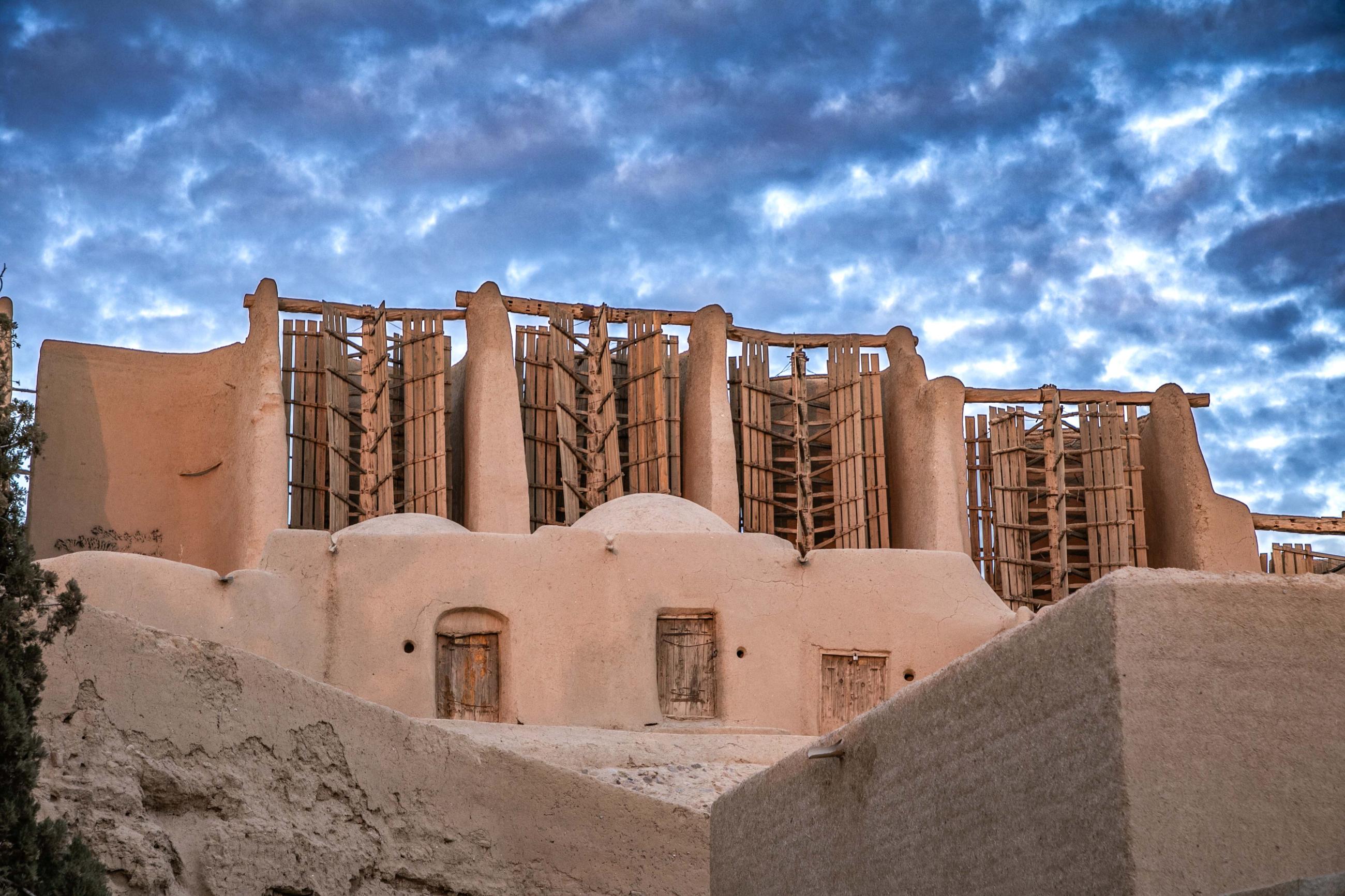
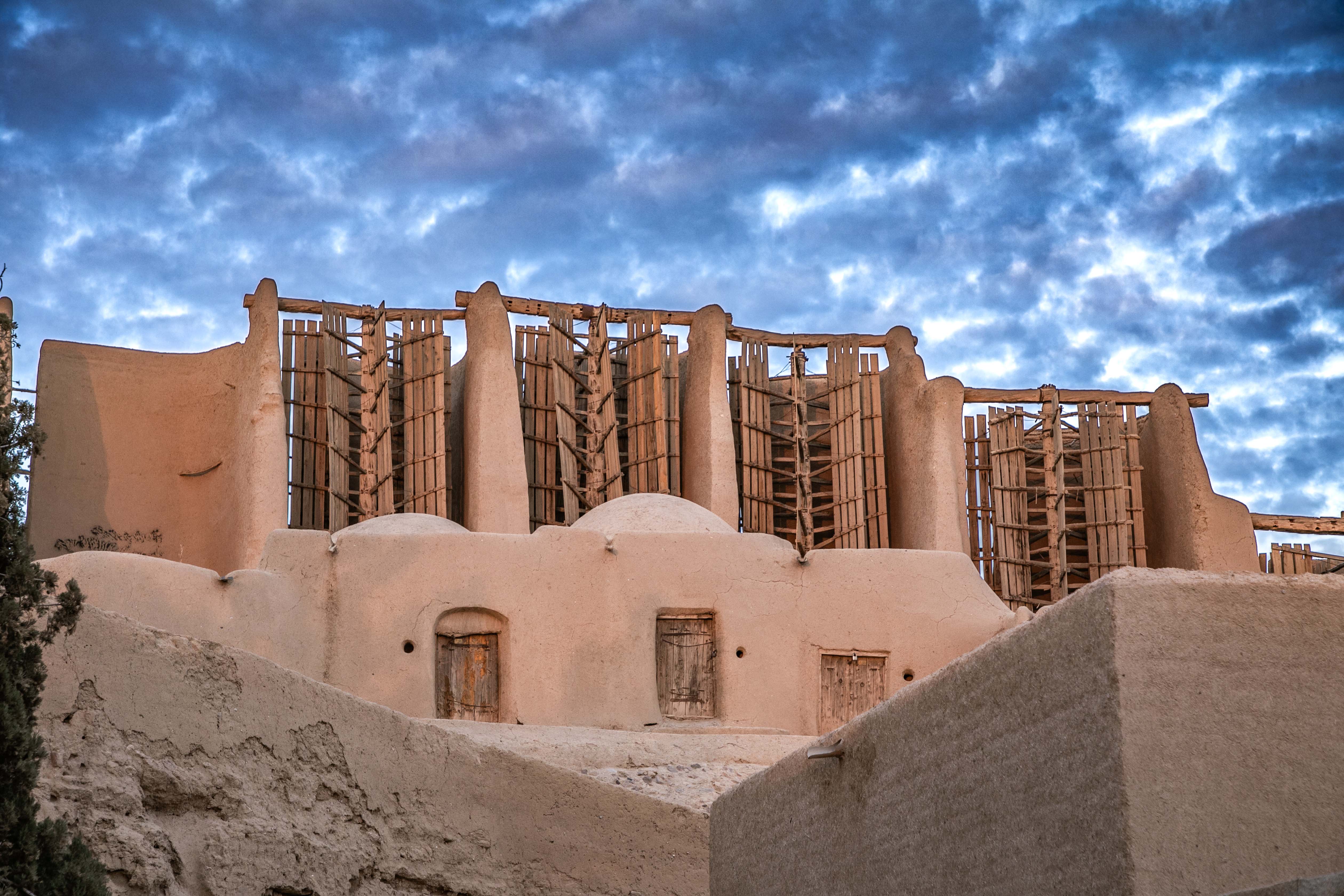
Nashtifan Windmills
Nestled in the arid plains of northeast Iran, the ancient windmills of Nashtifan are a remarkable testament to human ingenuity and adaptation to nature. The windmills are some of the oldest in the world and have been harnessing the region’s persistent and powerful winds for centuries to grind grain into flour.
© Farshid Rahimi Kalahroudi, Iran, Islamic Republic Of, Shortlist, Professional Competition, Architecture & Design, 2026 Sony World Photography Awards
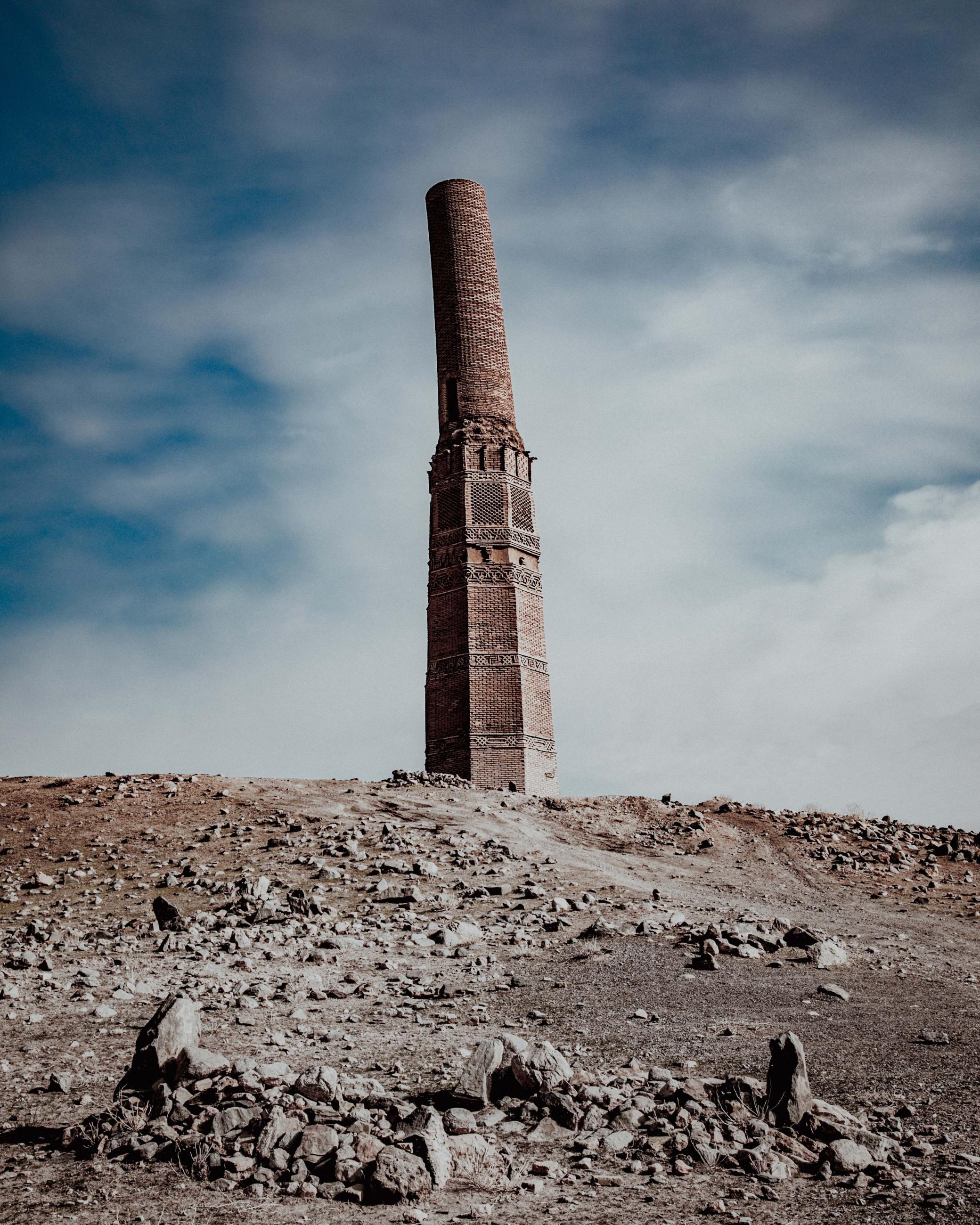
The Towers of Khorasan
Scattered across the historical landscapes of Khorasan, these ancient towers — known locally as ‘Mil’ — stand as sentinels of the past. Dating back hundreds of years, these structures served as watchtowers, landmarks for travellers, and as ceremonial or defensive monuments, making them a symbol of human ingenuity and presence in a vast, often harsh landscape.
© Farshid Rahimi Kalahroudi, Iran, Islamic Republic Of, Shortlist, Professional Competition, Architecture & Design, 2026 Sony World Photography Awards
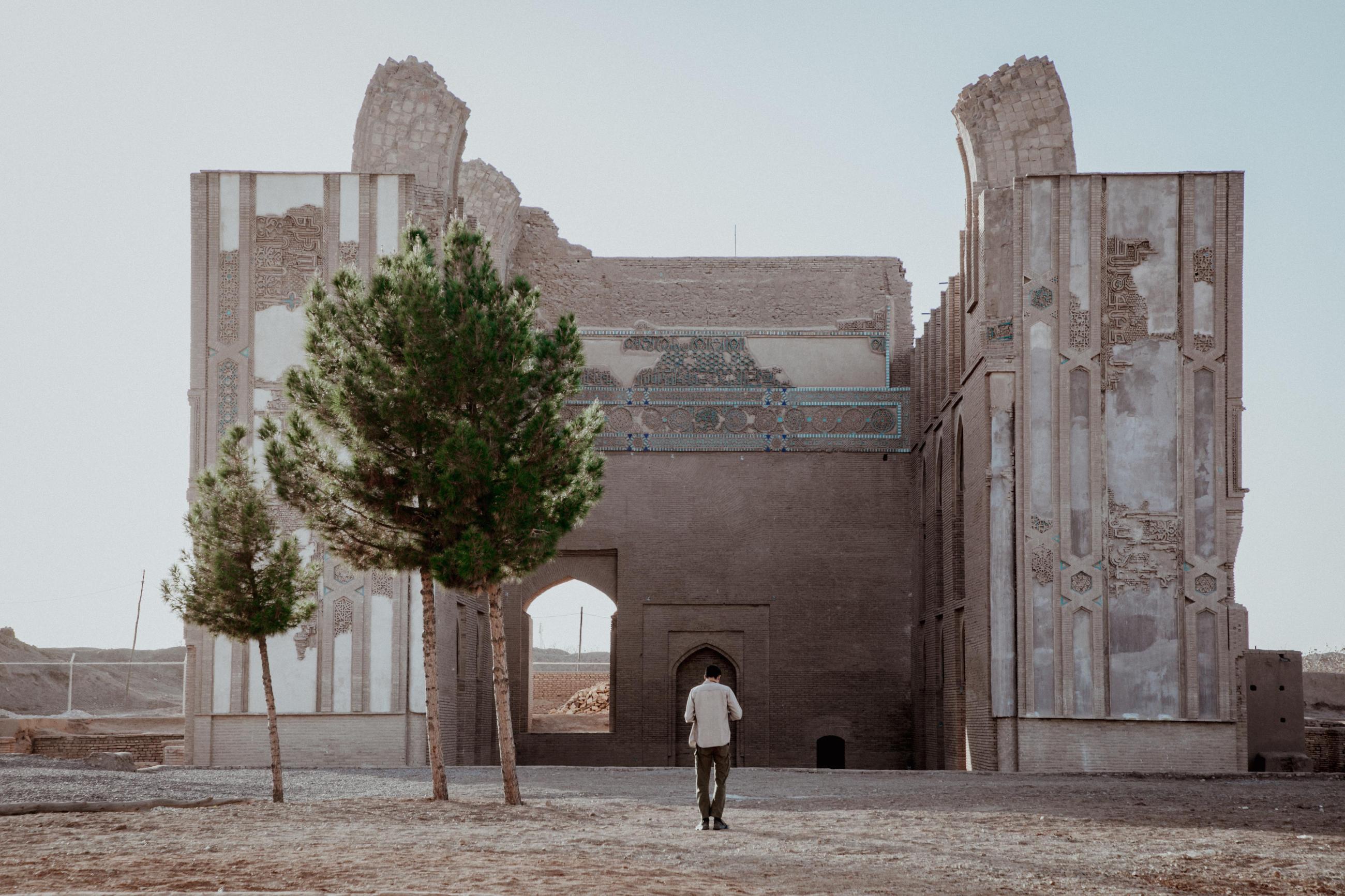
Great Jameh Mosque
Located in the historic town of Zozan, the Great Jameh Mosque reflects the ingenuity, spirituality and artistic expression of the Seljuk era. The central courtyard is surrounded by vaulted halls, intricate brickwork and elegant decorative motifs, while the mosque’s minarets and arches demonstrate a mastery of geometry and construction techniques.
© Farshid Rahimi Kalahroudi, Iran, Islamic Republic Of, Shortlist, Professional Competition, Architecture & Design, 2026 Sony World Photography Awards
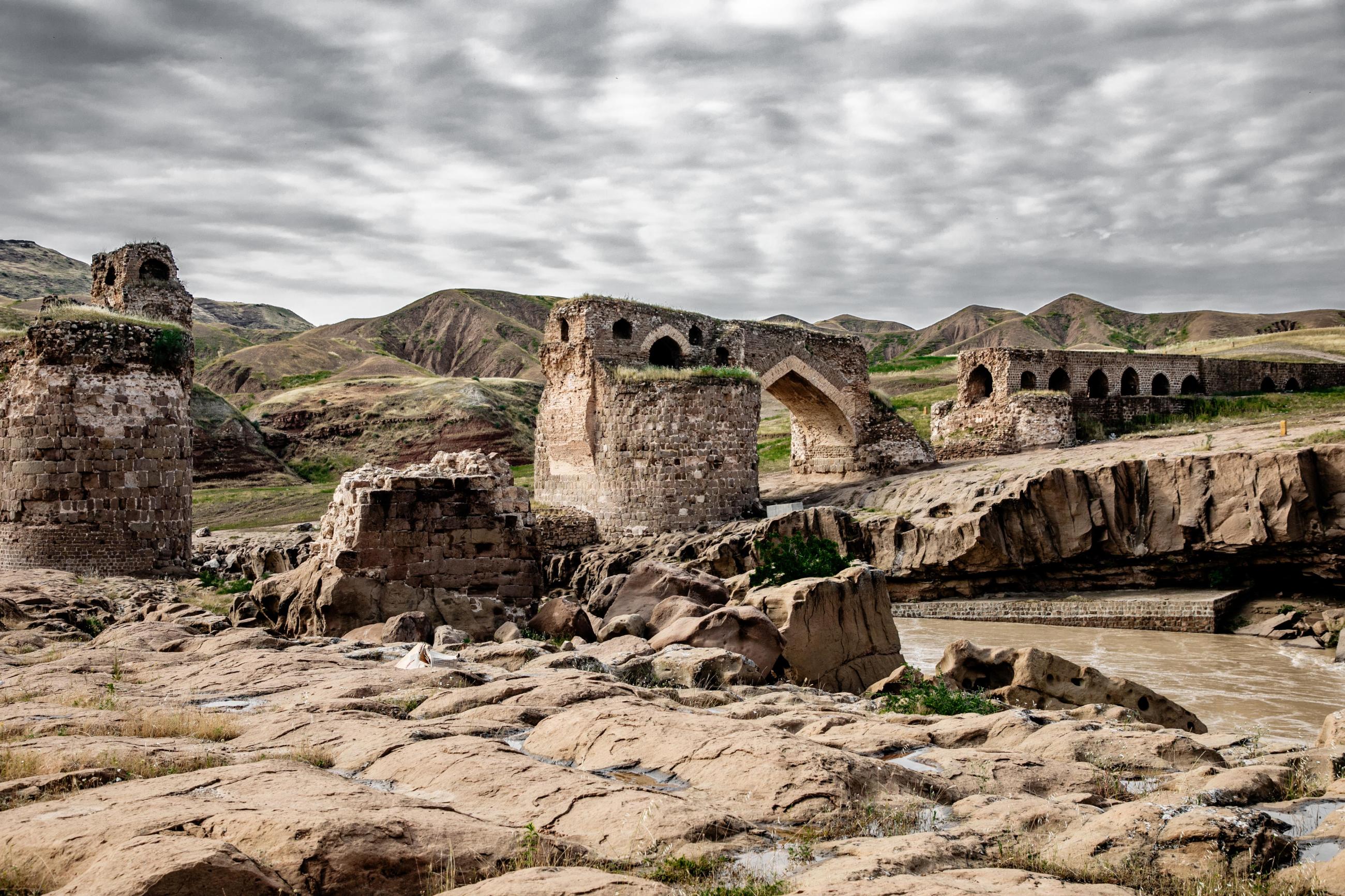
Gavmishan Bridge
Gavmishan Bridge in Dezful, southwest Iran, is an enduring symbol of ancient Persian engineering and craftsmanship. Built centuries ago, this bridge spans the seasonal waters with remarkable arches and stonework, demonstrating both functionality and elegance.
© Farshid Rahimi Kalahroudi, Iran, Islamic Republic Of, Shortlist, Professional Competition, Architecture & Design, 2026 Sony World Photography Awards
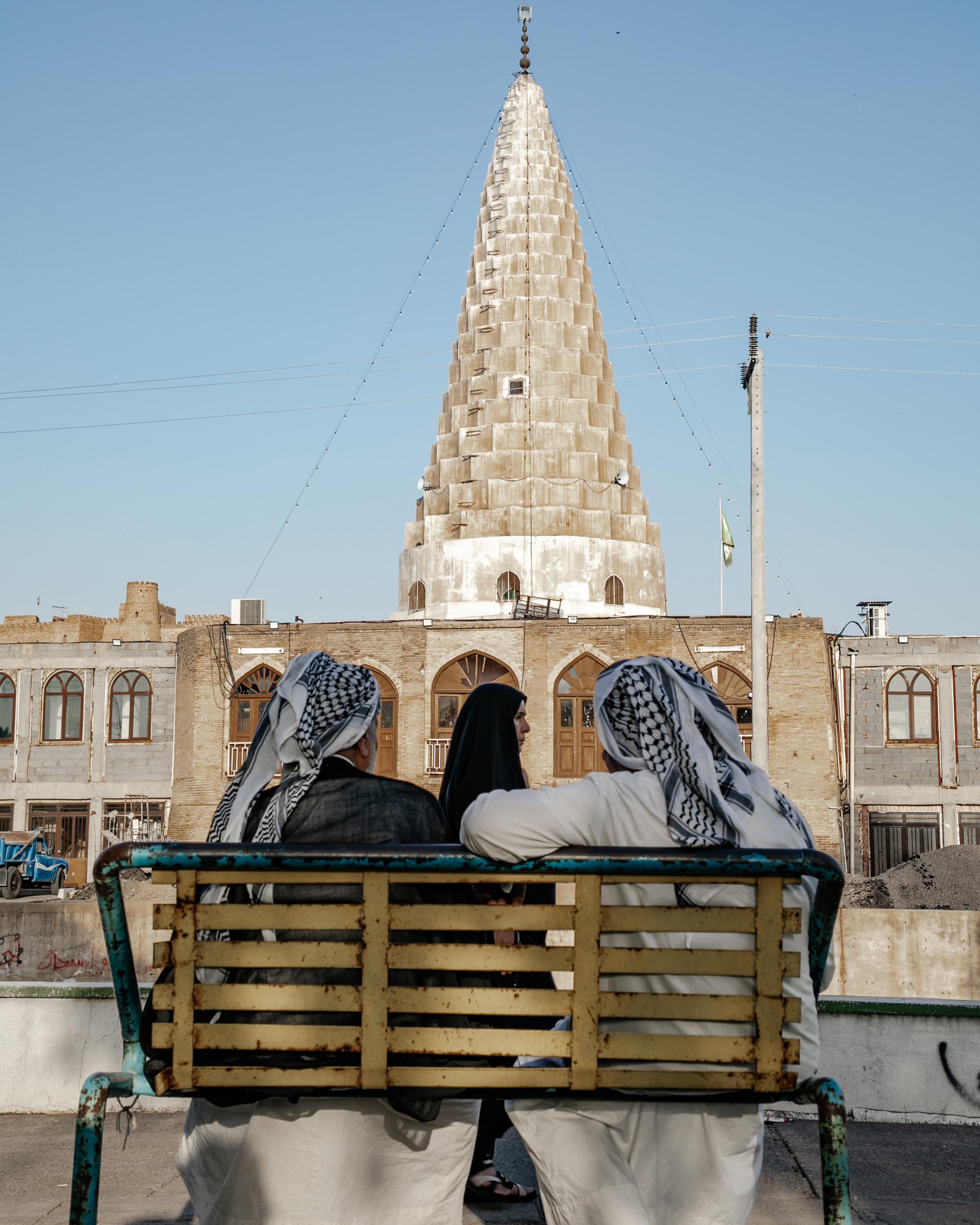
The Tomb of Daniel
Located in the ancient city of Shush (Susa) in southwestern Iran, this site draws pilgrims, historians and travellers alike. Believed to be the resting place of the biblical prophet Daniel, the tomb’s architecture blends Islamic and local Persian styles, featuring a domed structure with intricate brickwork and decorative details.
© Farshid Rahimi Kalahroudi, Iran, Islamic Republic Of, Shortlist, Professional Competition, Architecture & Design, 2026 Sony World Photography Awards
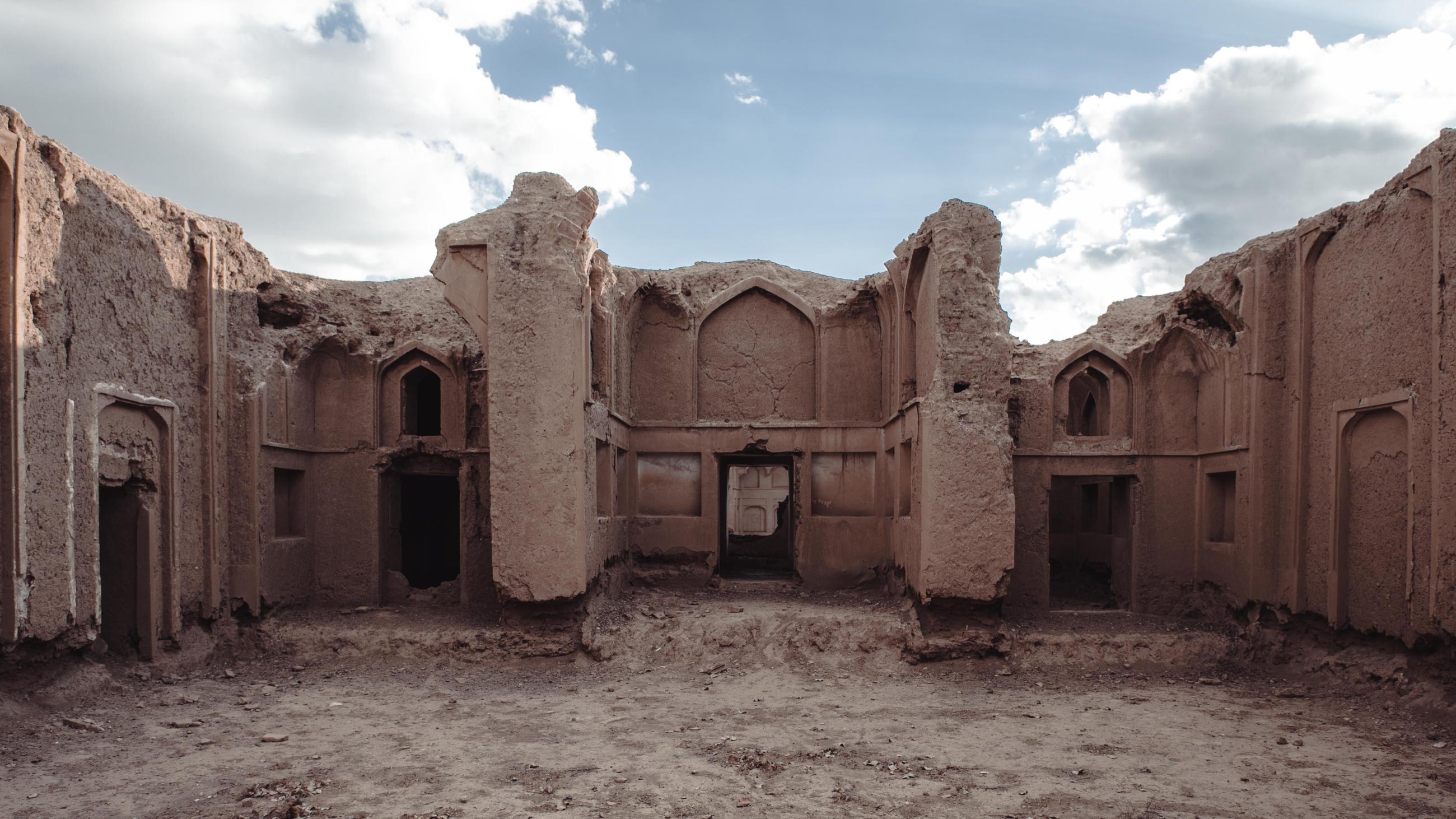
Ferdows
The historic city of Ferdows stands as a testament to centuries of Persian civilisation. Once a vibrant hub of culture, trade and architecture, Ferdows preserves the footprints of the dynasties, merchants and communities that thrived here.
© Farshid Rahimi Kalahroudi, Iran, Islamic Republic Of, Shortlist, Professional Competition, Architecture & Design, 2026 Sony World Photography Awards
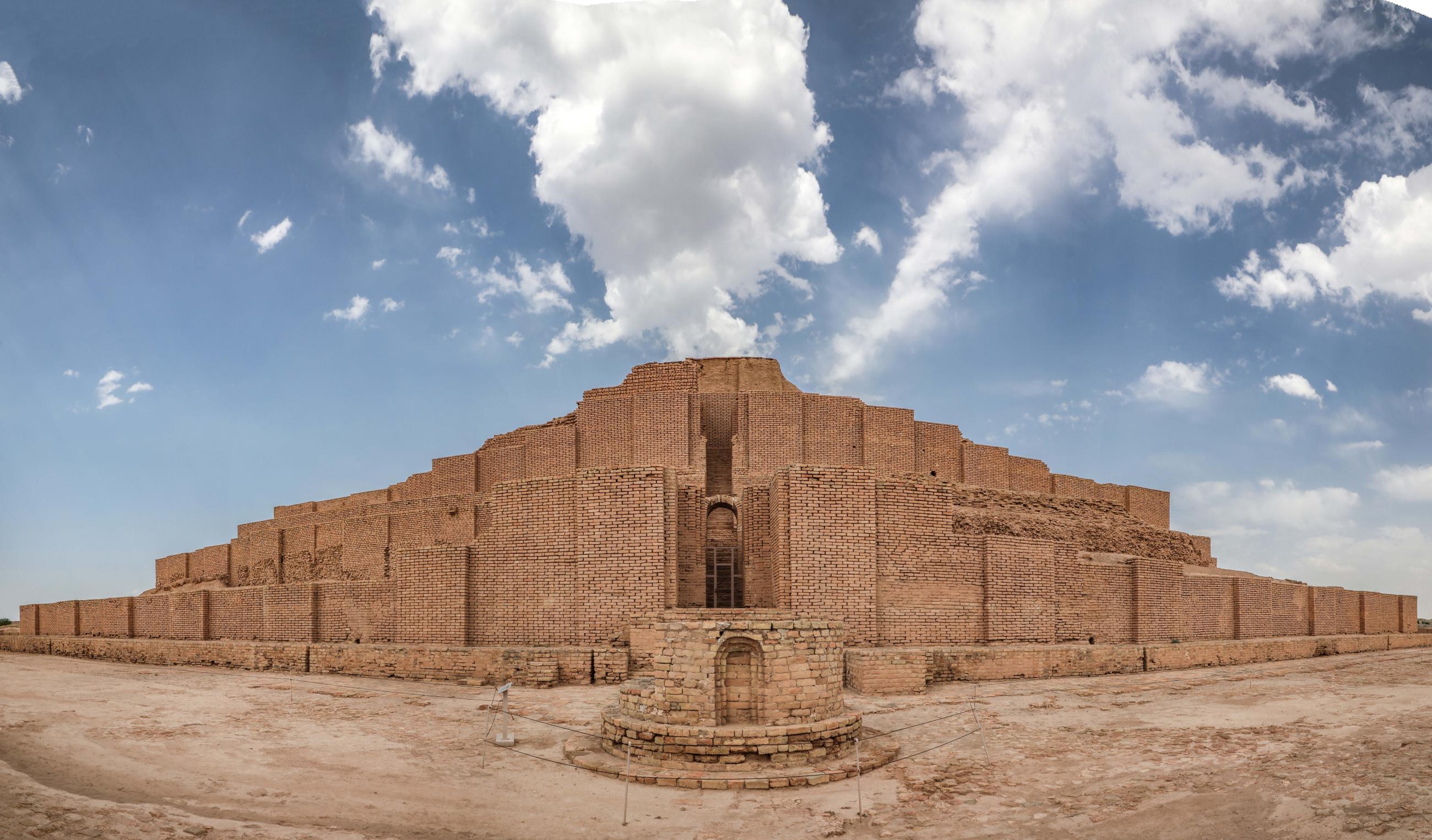
Chogha Zanbil
Located in Khuzestan, southwest Iran, Chogha Zanbil is one of the best-preserved ziggurats in the world and a UNESCO World Heritage Site. Built around 1250 BCE by the Elamite king Untash-Napirisha, this monumental structure served as a temple complex dedicated to the gods of the Elamite civilisation.
© Farshid Rahimi Kalahroudi, Iran, Islamic Republic Of, Shortlist, Professional Competition, Architecture & Design, 2026 Sony World Photography Awards