

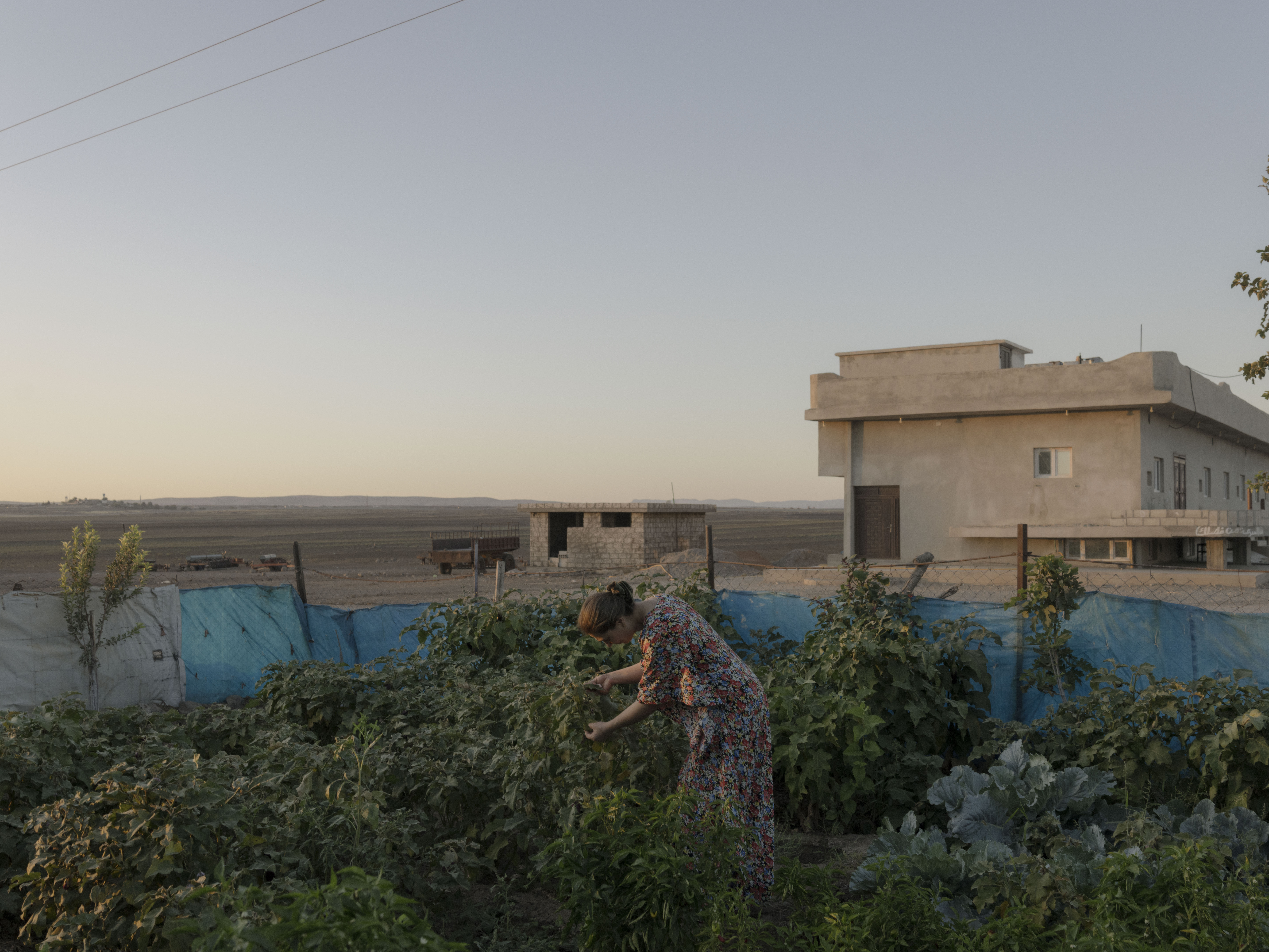
Back to Environment
Environment 2nd Place
Jinê Land: Where Women Keep the Earth Alive
Matteo Trevisan
Series description
Jinê Land: Where Women Keep the Earth Alive tells the story of women shaping the ecological and social future of Rojava in northeast Syria. In a region that is still recovering from war and fragmentation, women lead the fight for environmental restoration, sustainable agriculture, and community self-governance. Since 2012, Kurdish, Assyrian, Arab, and Armenian communities have self-organised under a model inspired by democratic confederalism, integrating women’s liberation and ecology. Women manage schools, cooperatives, health centres, and local councils, ensuring their leadership in both social and ecological spheres. Villages such as Jinwar embody this vision: female-led, sustainable, and resilient, offering a space for education, self-reliance and communal life. Through photography, this project captures the intersection of freedom, ecology, and community, revealing a radical social experiment where women are both the stewards of the land and the architects of a new society.
Biography
Matteo Trevisan (b. 1991) is a photographer and video-maker based in Padova, Italy. Born and raised in a border area between Italy and Slovenia, Trevisan develops long-term projects on social and ecological issues.
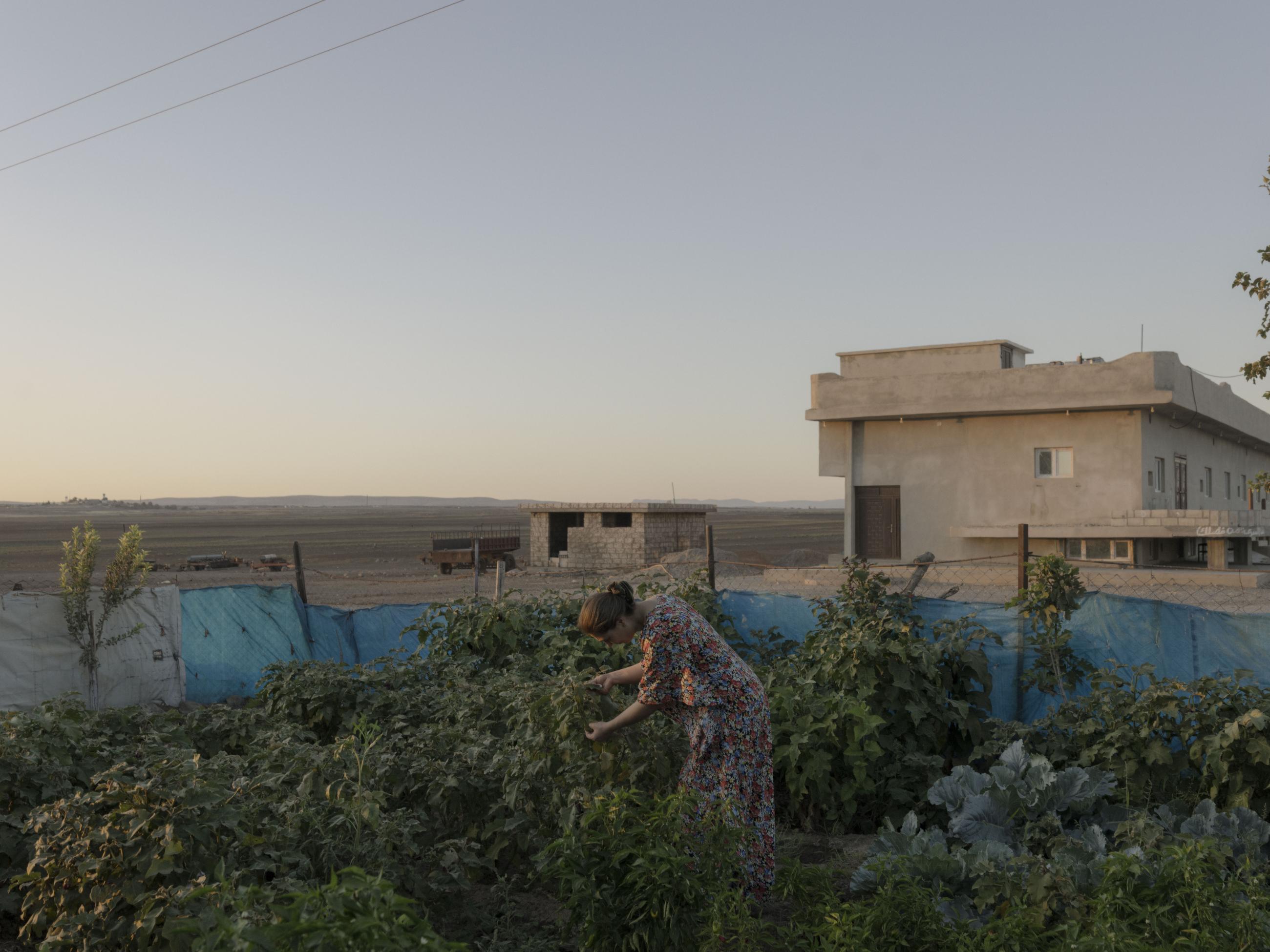
Untitled
Dilşa is one of the teachers at the school in Jarudi, a rural village in Al-Hasakah Governorate. The residents have organised village life through grassroots communal structures and cooperatives, empowering women and children alike.
‘Salaries for teachers were higher under the regime,’ says Dilşa, ‘but this is better: I prefer eating less and having more freedom.’
© Matteo Trevisan, Italy, 2nd Place, Professional Competition, Environment, 2026 Sony World Photography Awards
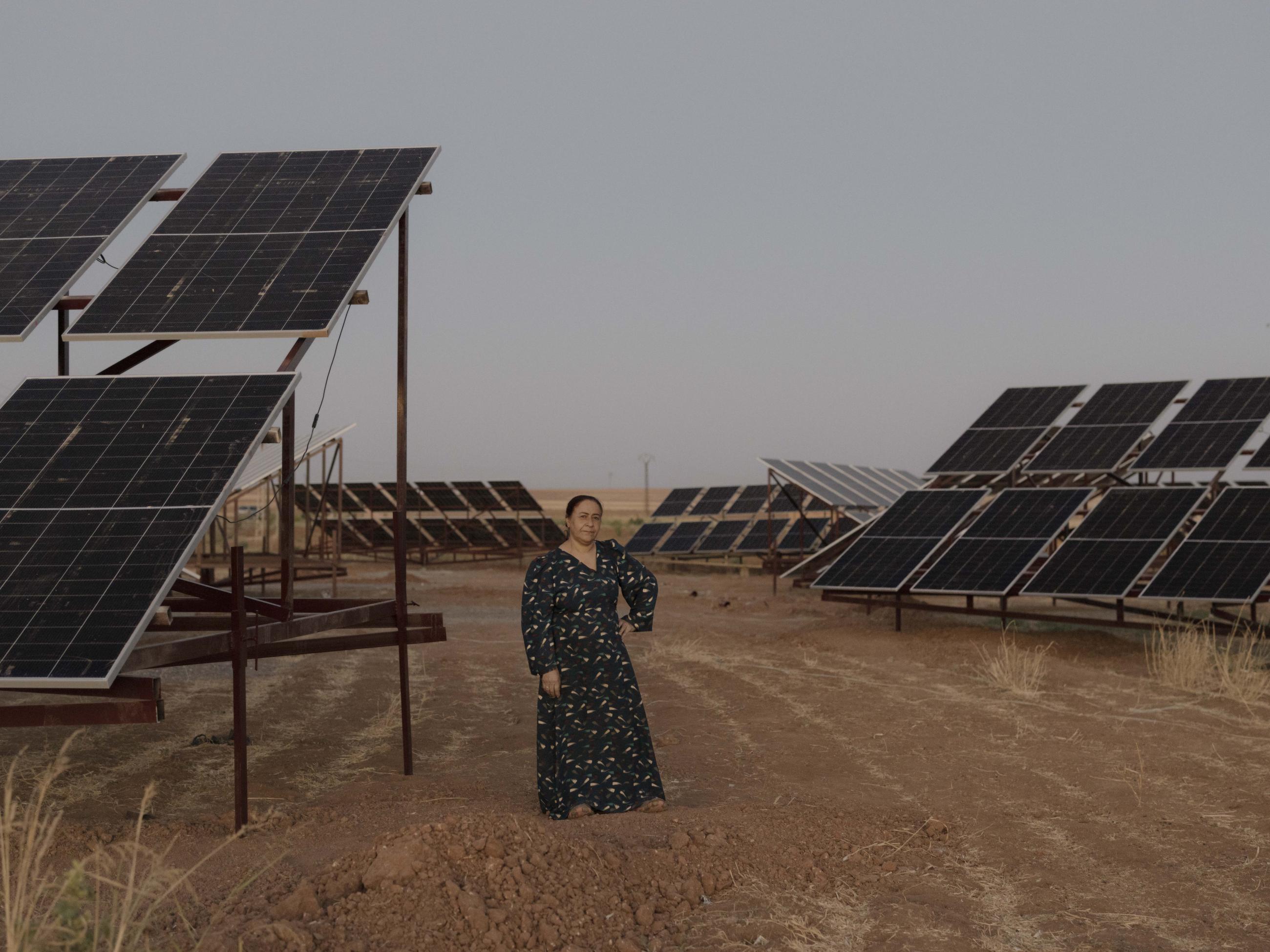
Untitled
Jinwar is an eco-feminist village founded during the Syrian war as a refuge for women. The village, powered in part by solar energy, was built collectively and inaugurated in 2018. Amal arrived here a year ago and says that ‘the relationships among women are beautiful; I love everything here.
I hope to be reborn here, with a clear mind, and to live in peace — here it’s possible.’
© Matteo Trevisan, Italy, 2nd Place, Professional Competition, Environment, 2026 Sony World Photography Awards
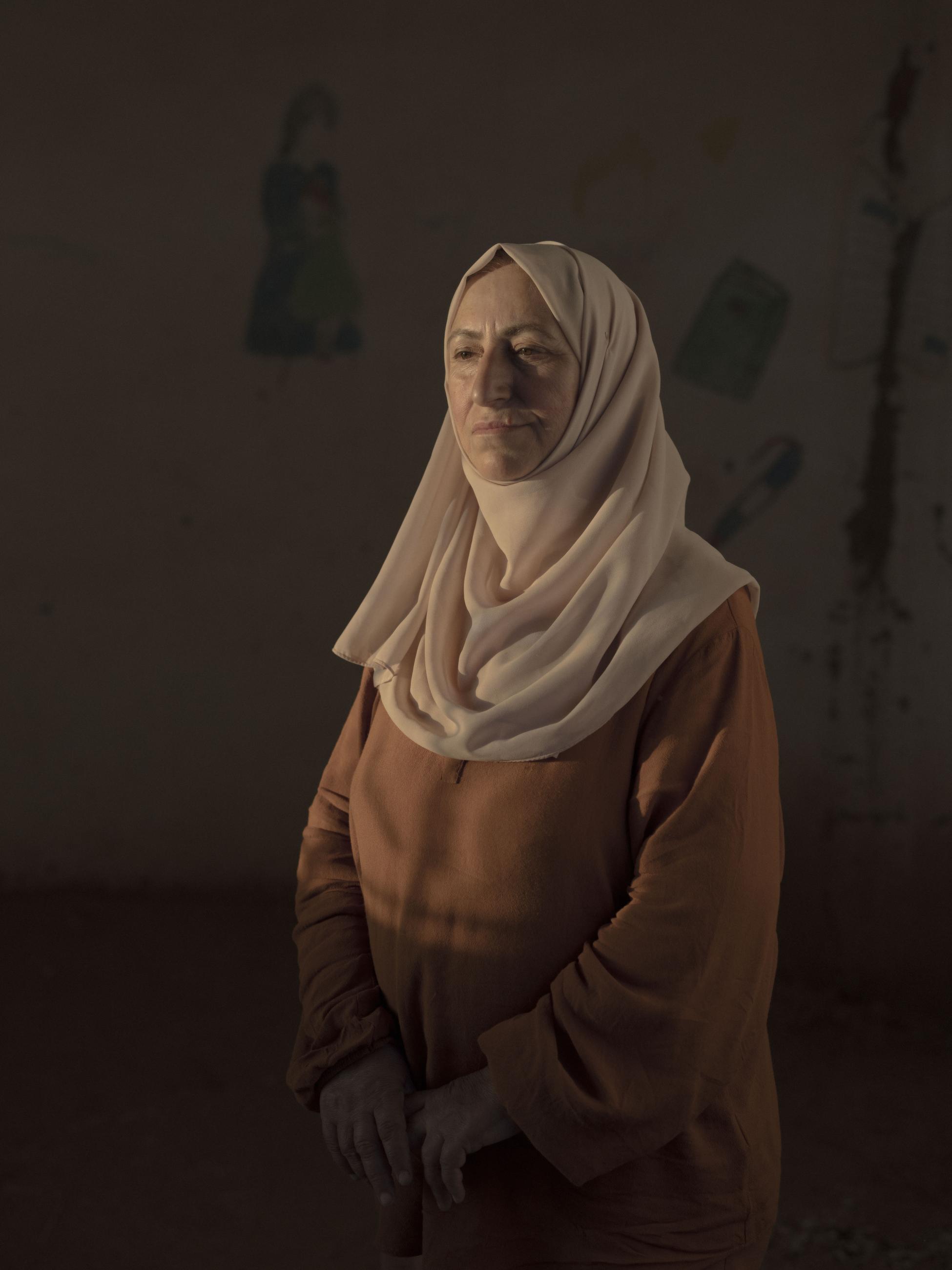
Untitled
Şirîn is a teacher at Jinwar and has lived in the village since its foundation. Jinwar is a women-only village built for them and their children in the Autonomous Administration of North and East Syria. Its name comes from Kurdish — jin (woman) and war (space or home), which translates as ‘women’s space.’
© Matteo Trevisan, Italy, 2nd Place, Professional Competition, Environment, 2026 Sony World Photography Awards
Untitled
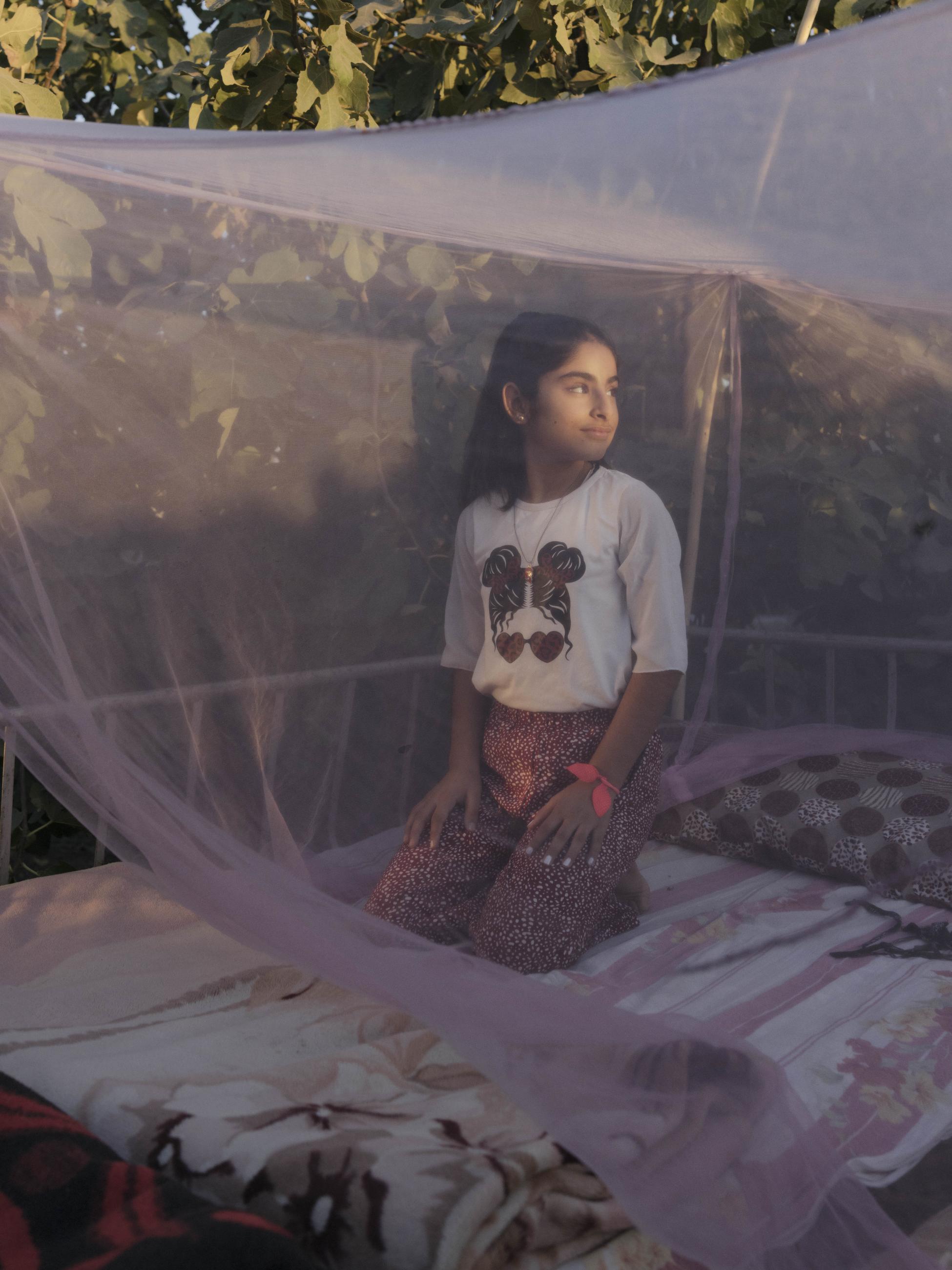
Sêal sits in the vegetable garden of her home in Jarudi. Her family is part of the local commune and cooperative. Agricultural work and income are organised collectively, with shared resources and profits. ‘There is a strong sense of community in the village. We are closer to one another than people in the city — we are a community.’
© Matteo Trevisan, Italy, 2nd Place, Professional Competition, Environment, 2026 Sony World Photography Awards
Untitled
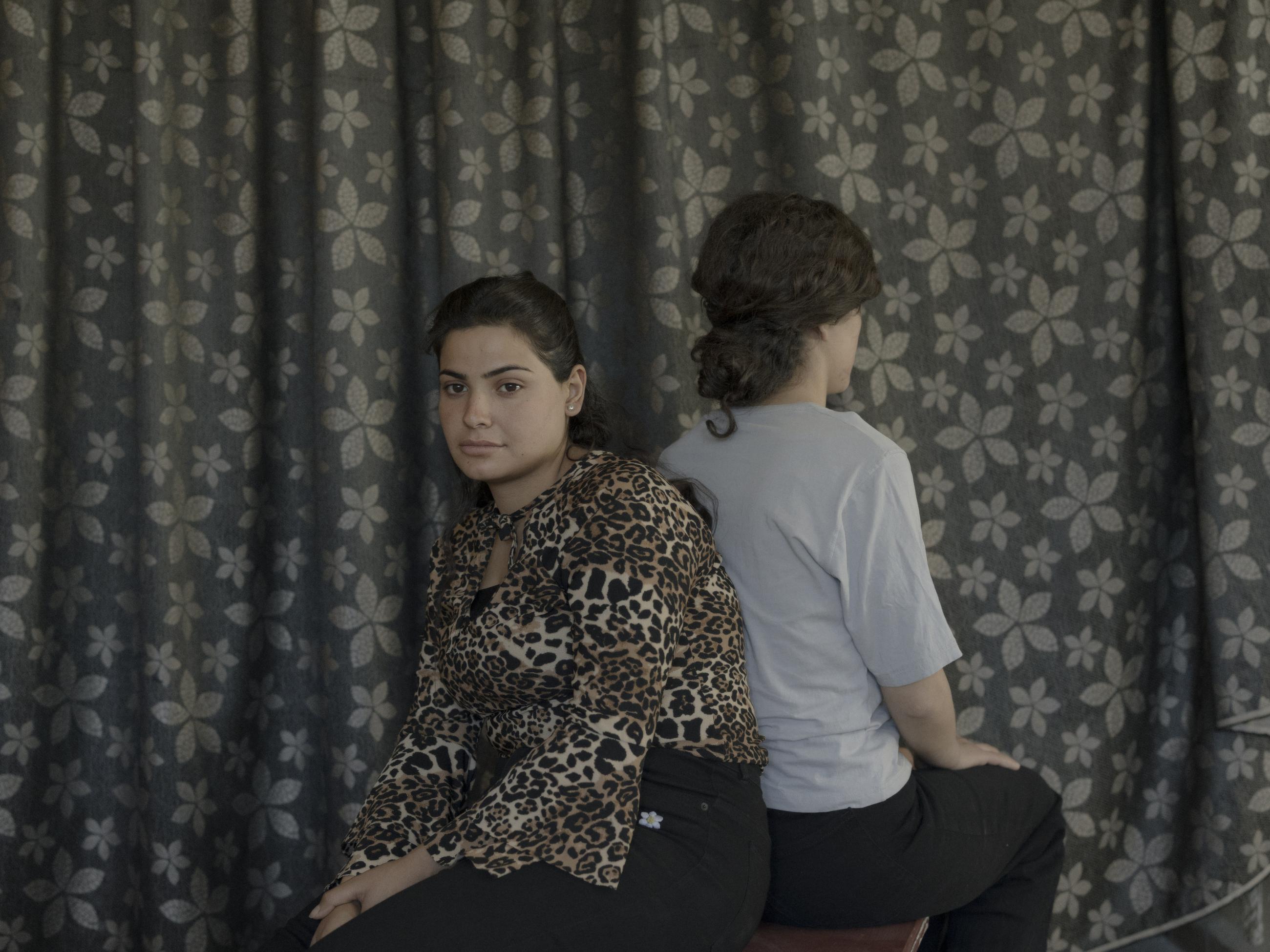
‘I truly hope people evolve and start taking care of nature and their cities,’ says Seher , a video editor and member of a local ecological group active in environmental awareness and protection initiatives. In the political model of democratic confederalism, ecology, grassroots democracy and women’s liberation are inseparable pillars of social transformation.
© Matteo Trevisan, Italy, 2nd Place, Professional Competition, Environment, 2026 Sony World Photography Awards
Untitled
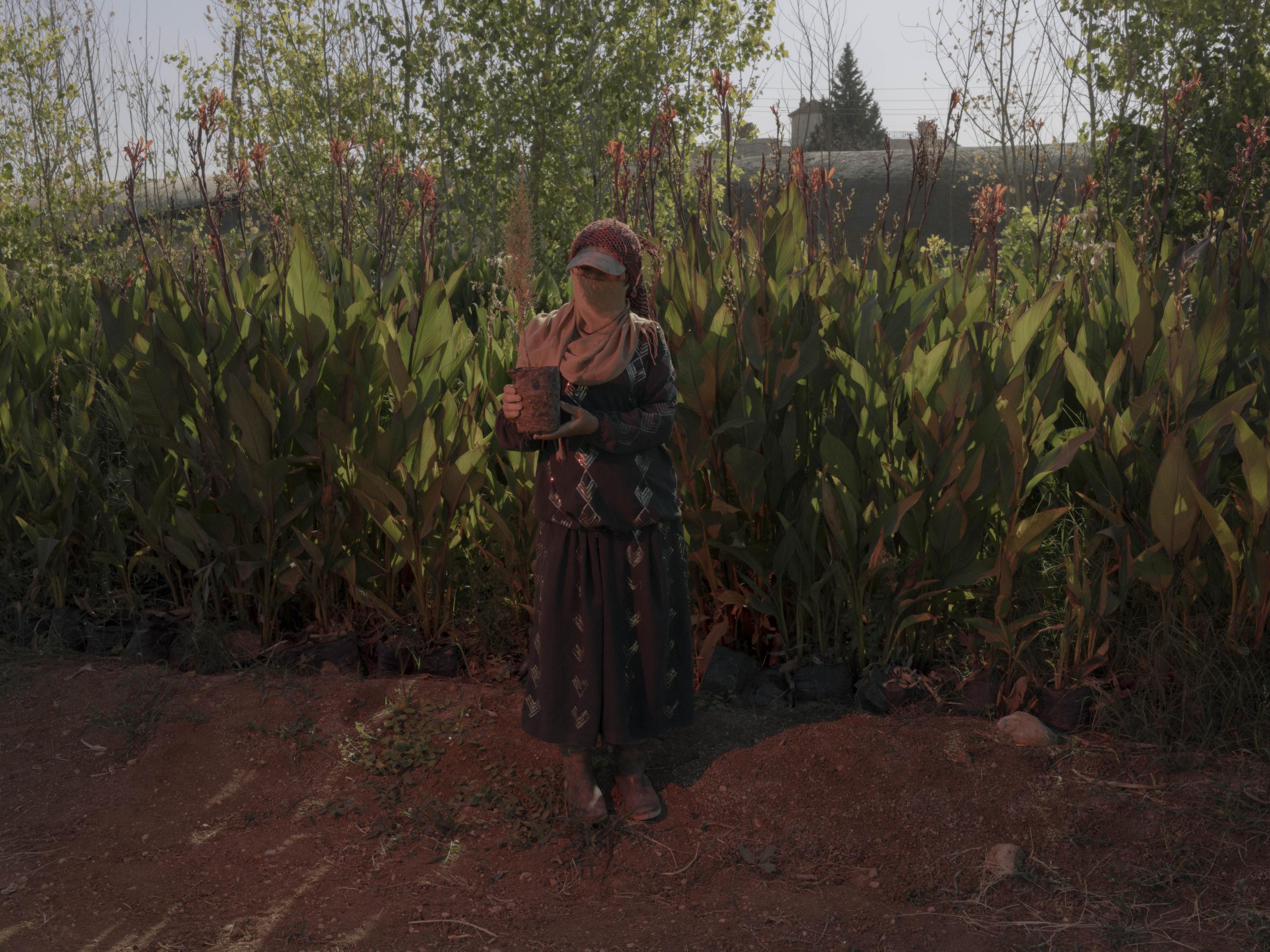
Fatima works at a tree nursery in Qamishlo, which opened in 2021 to produce seedlings for reforestation projects across the region. The initiative responds to the severe water and climate crisis affecting northeastern Syria. Within Rojava’s ecological revolution, women play a central role in environmental education and restoration, linking ecology to social and gender liberation.
© Matteo Trevisan, Italy, 2nd Place, Professional Competition, Environment, 2026 Sony World Photography Awards
Untitled
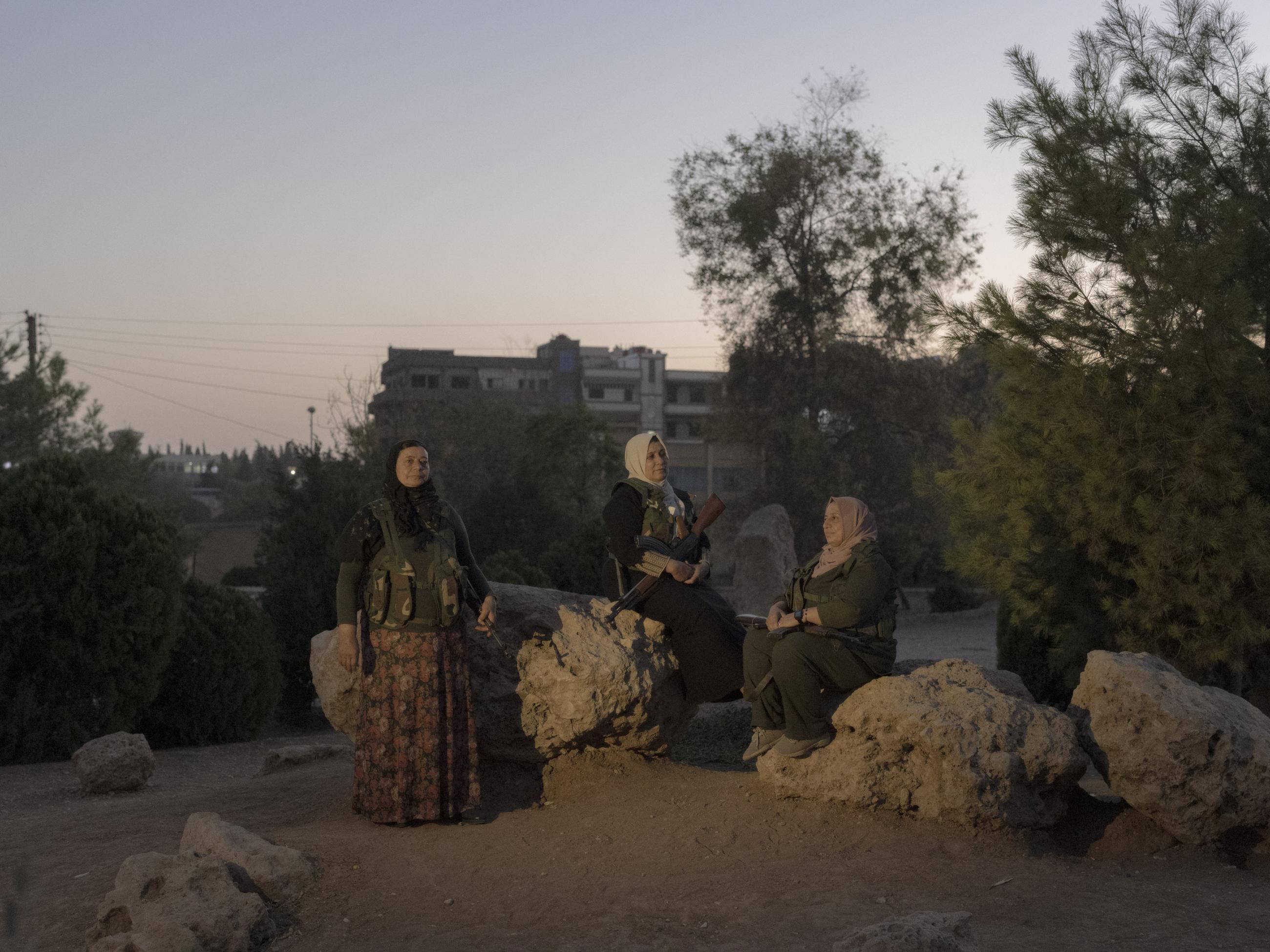
Remziye, Niismiye and Wadhen are members of HPC-Jin, the women’s civil defence committees of Qamishlo. HPC-Jin units are community based self-defence groups responsible for civilian protection, monitoring public spaces and supporting social cohesion, particularly during periods of conflict and instability.
© Matteo Trevisan, Italy, 2nd Place, Professional Competition, Environment, 2026 Sony World Photography Awards
Untitled
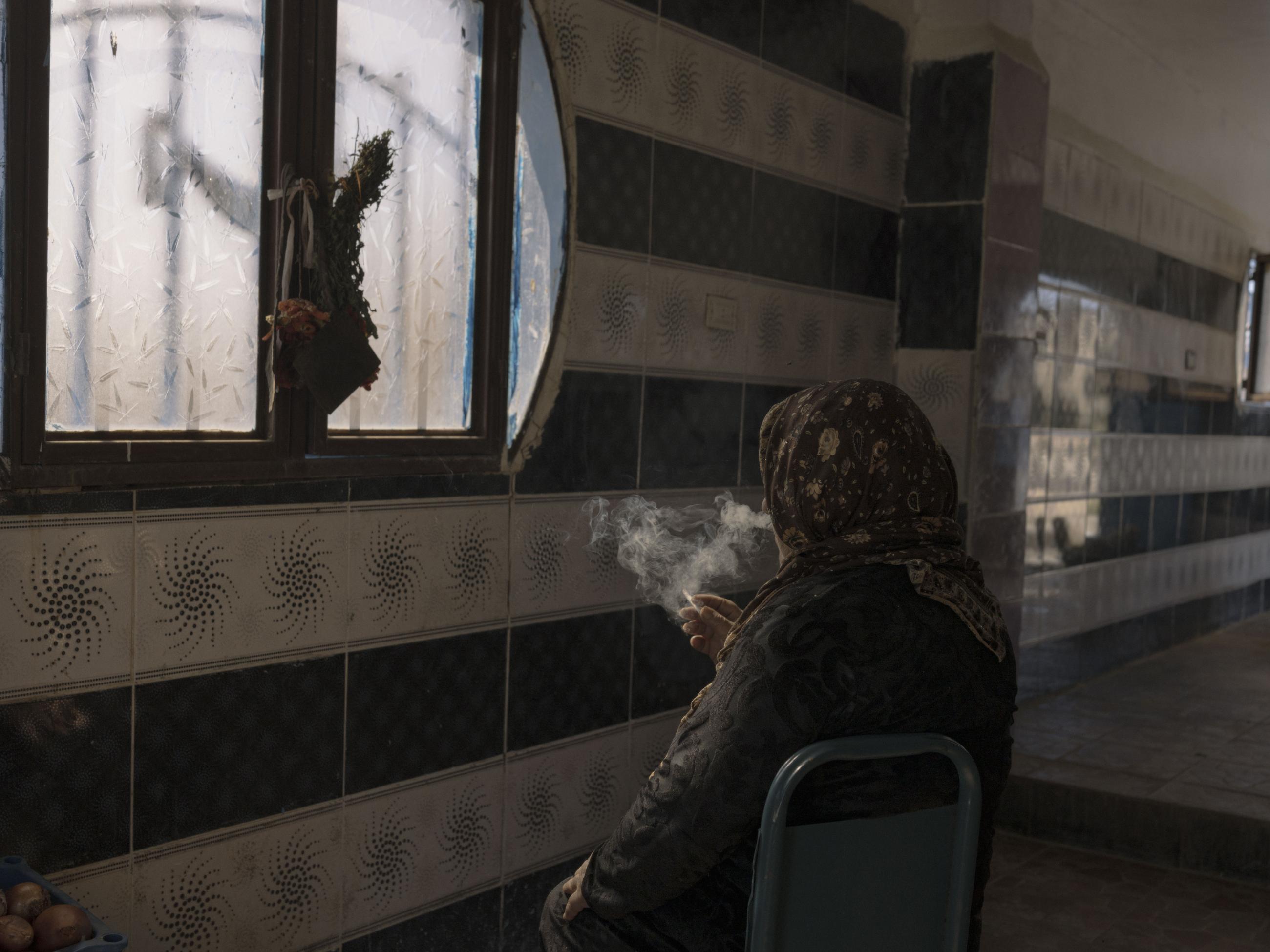
‘My dream is for the village to become even more beautiful. Living here, connected to one another, is a dream.’ Nusjin arrived in Jinwar after losing her husband and facing illness and isolation. Jinwar functions as a self-sufficient community, with housing, education, healthcare and agricultural spaces managed collectively by women.
© Matteo Trevisan, Italy, 2nd Place, Professional Competition, Environment, 2026 Sony World Photography Awards