

Back to Architecture & Design
Architecture & Design Shortlist
Kabe: The Walls of Tohoku
Peter Lipton
Series description
Kabe (Japanese for ‘wall’) examines the transformed landscape of Japan's northeast coast following the 2011 earthquake and tsunami. After the devastating waves crested over Tarō’s historic 10-metre-high ‘Great Wall’, the Japanese government launched a decade-long project to construct reinforced barriers equipped with massive, automated gates and integrated viewing windows — a ‘Tsunami Shield’ designed to withstand the immense pressure of floodwaters. This series documents openings in the walls that serve as the final point of contact between land and sea, revealing how they have irrevocably altered the natural horizon. While these barriers provide essential protection for future generations, they have physically and spiritually distanced communities from the ocean that sustains their livelihoods. These openings and gateways stand as silent witnesses to this separation, illustrating the physical and emotional barriers that remain in the ongoing process of reconstruction.
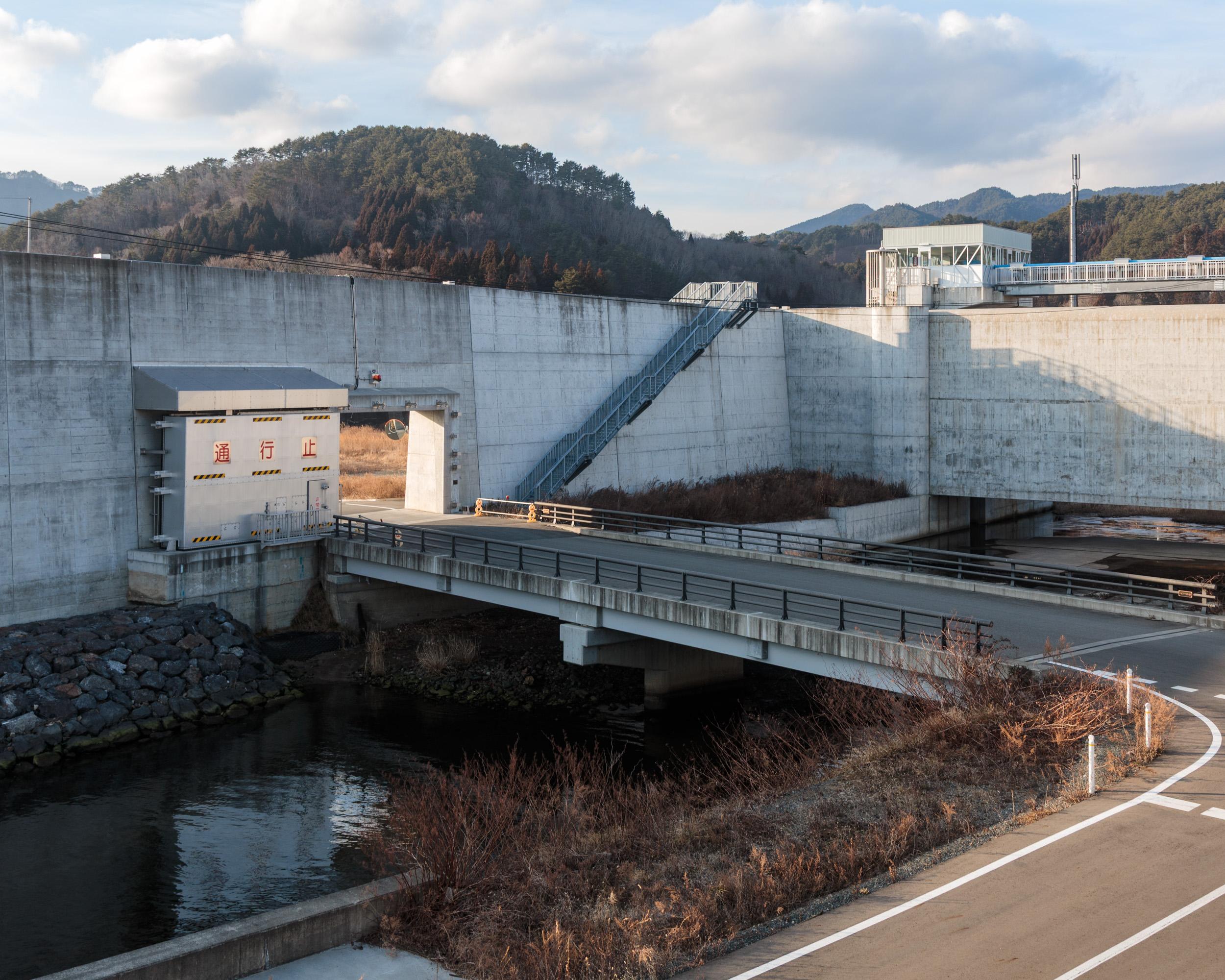
Tarō, Iwate Prefecture, Japan.
© Peter Lipton, Netherlands, Shortlist, Professional Competition, Architecture & Design, 2026 Sony World Photography Awards
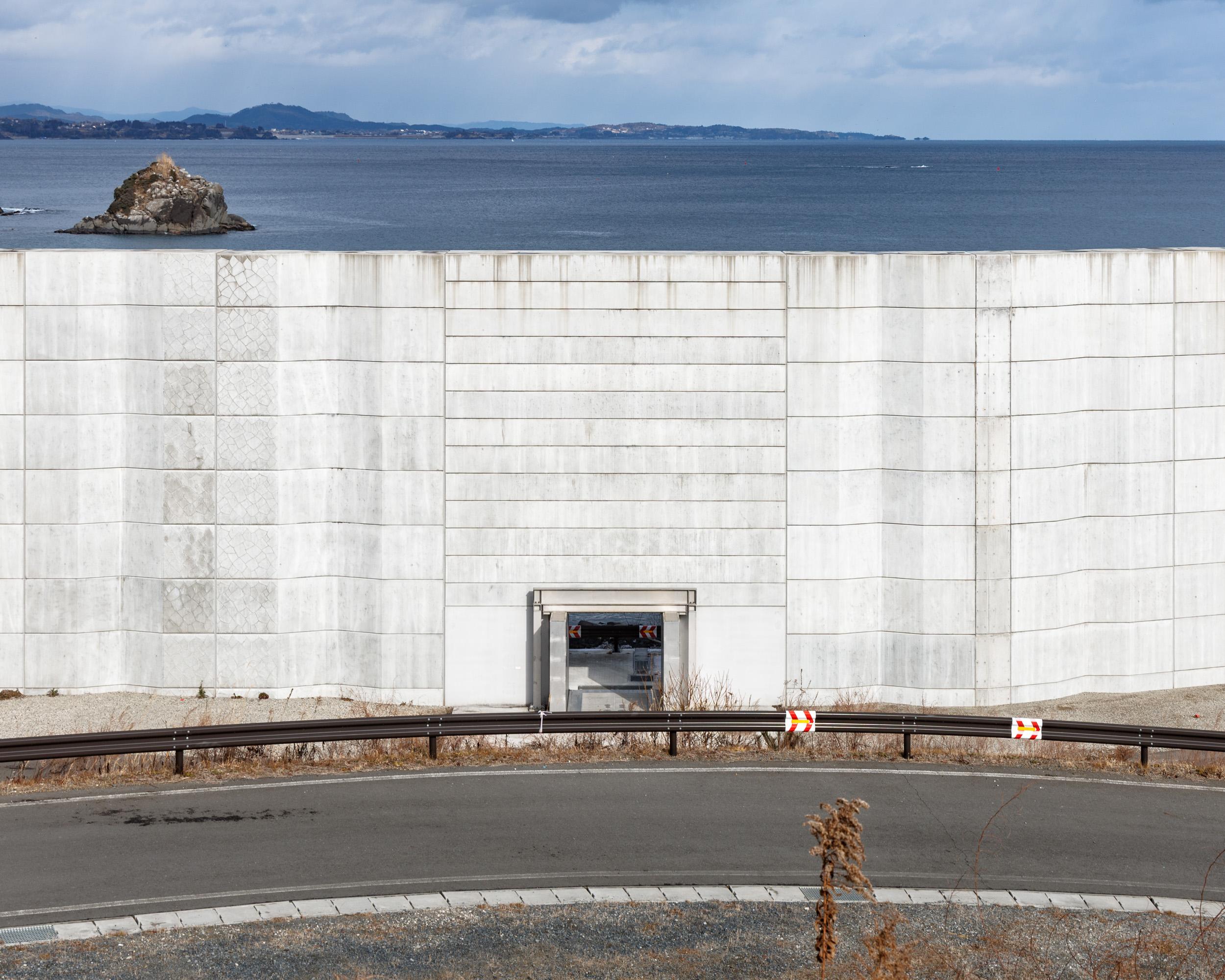
Nijuichihama, Miyagi Prefecture, Japan.
© Peter Lipton, Netherlands, Shortlist, Professional Competition, Architecture & Design, 2026 Sony World Photography Awards
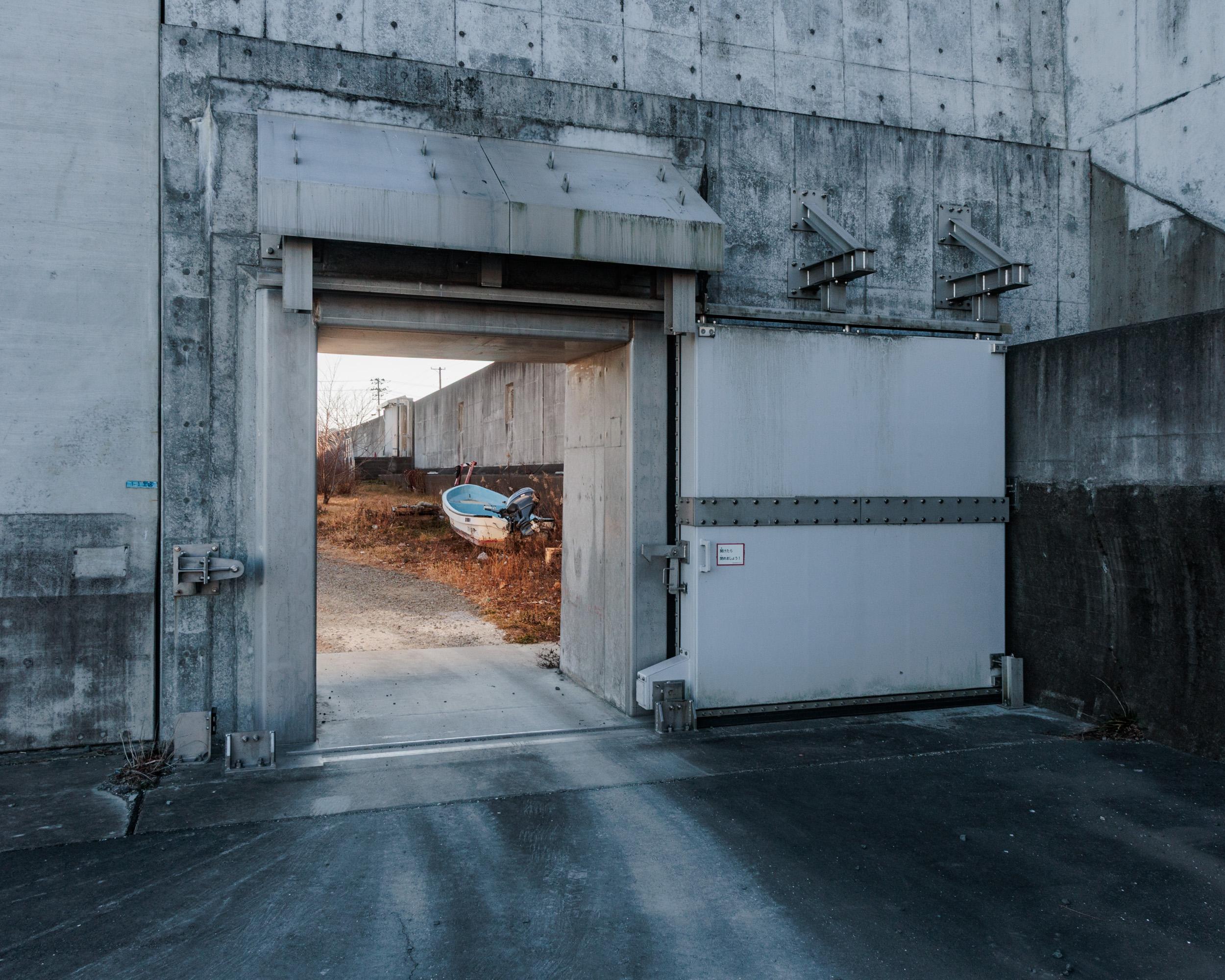
Kesennuma, Miyagi Prefecture, Japan.
© Peter Lipton, Netherlands, Shortlist, Professional Competition, Architecture & Design, 2026 Sony World Photography Awards
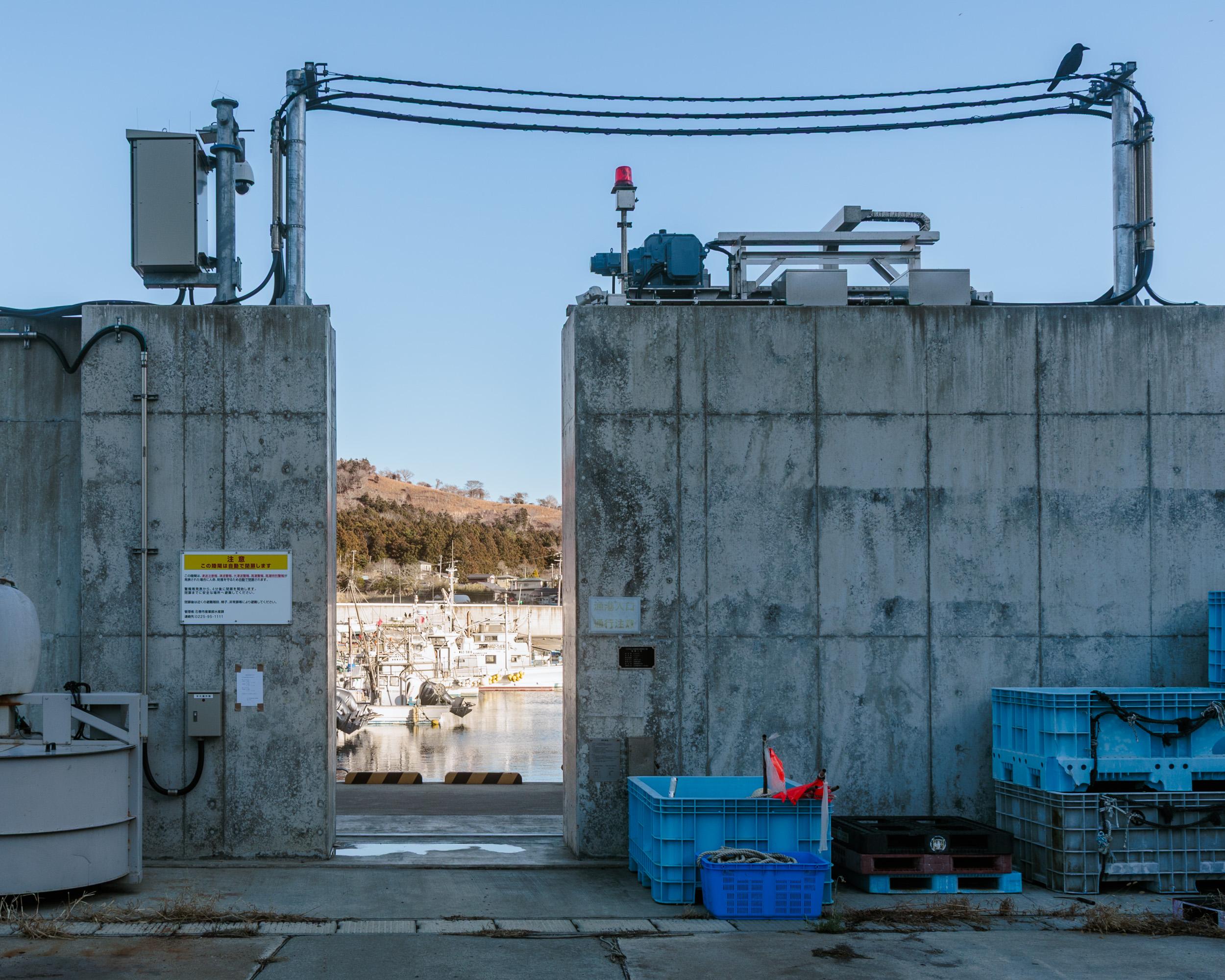
Kobuchihama, Miyagi Prefecture, Japan.
© Peter Lipton, Netherlands, Shortlist, Professional Competition, Architecture & Design, 2026 Sony World Photography Awards
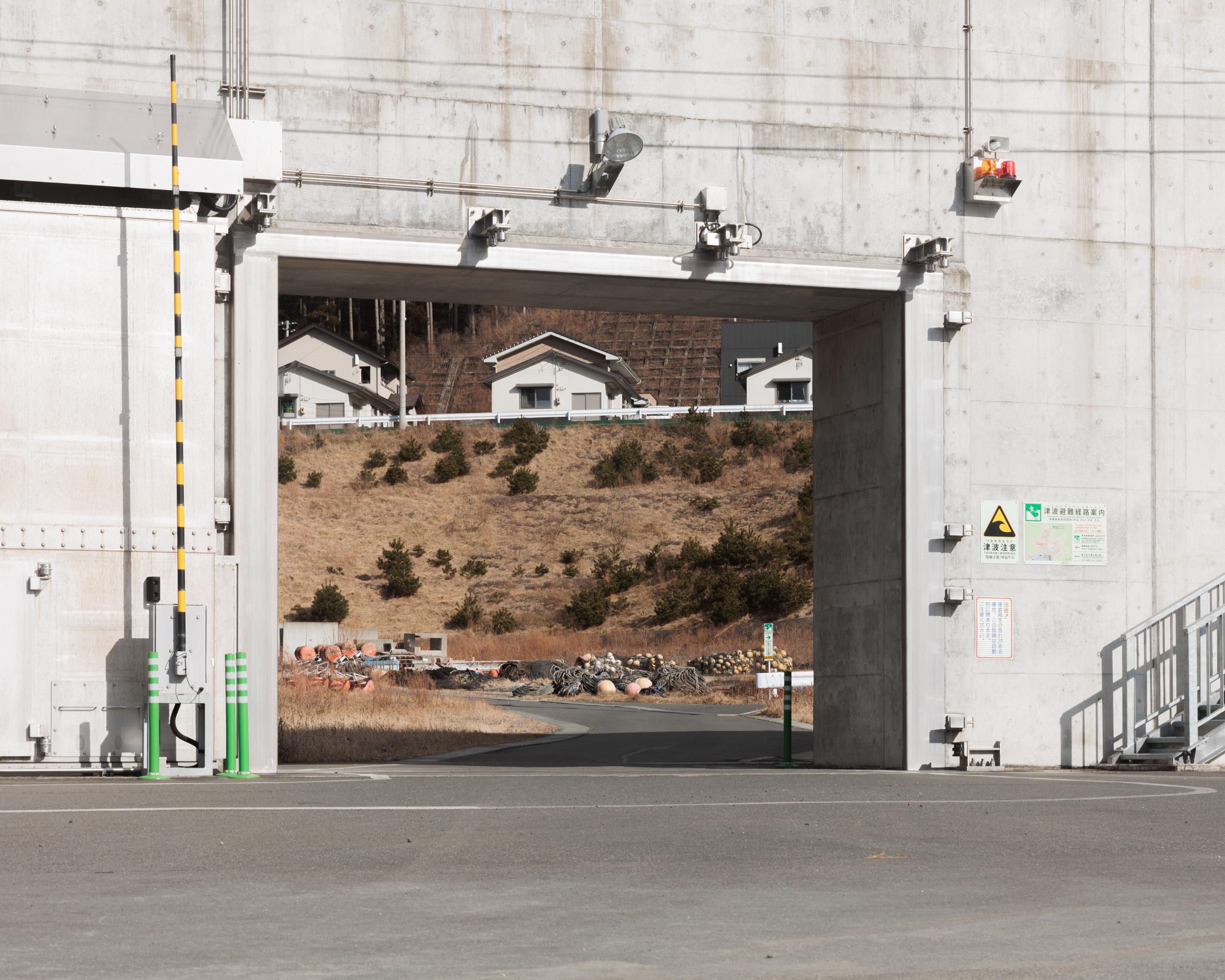
Kuwanohama, Iwate Prefecture, Japan.
© Peter Lipton, Netherlands, Shortlist, Professional Competition, Architecture & Design, 2026 Sony World Photography Awards
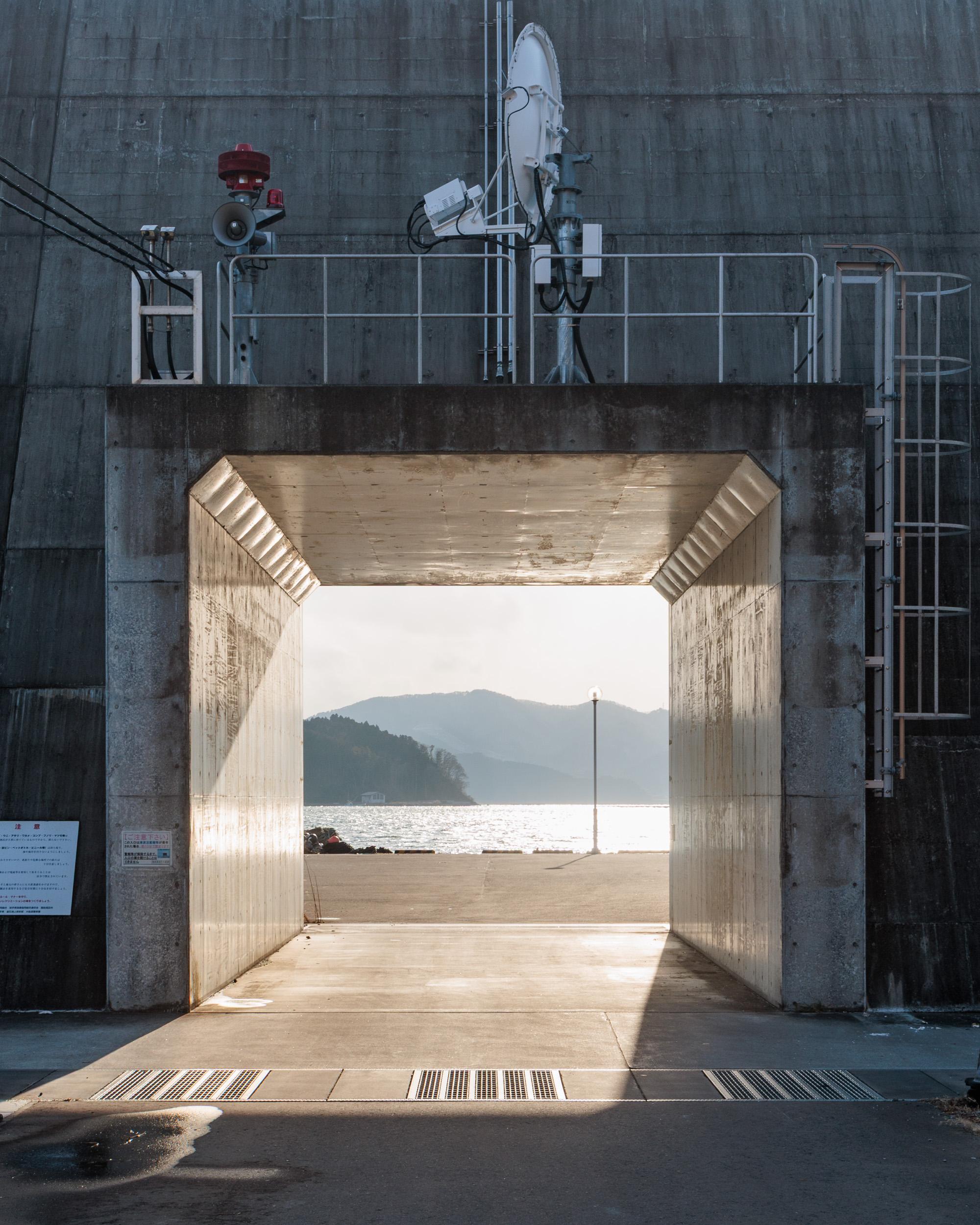
Minamisanriku, Miyagi Prefecture, Japan.
© Peter Lipton, Netherlands, Shortlist, Professional Competition, Architecture & Design, 2026 Sony World Photography Awards