

Back to Portraiture
Portraiture 3rd Place
Koryo-Saram: How Descendants of Deported USSR Koreans Are Rediscovering Their Roots in Uzbekistan
Federico Borella
Series description
Koryo-saram are the descendants of ethnic Koreans from the former USSR who were forcibly deported to Uzbekistan through Stalin’s ethnic cleansing policies. Over time, they became an integral part of Uzbek society, but their connection to Korea gradually faded, and by the 1990s, few could even read or write Korean. Today, most Koryo-saram identify as Uzbek citizens, with only faint traces of Korean cultural heritage remaining. However, a new generation, influenced by the ‘Korean Wave,’ is rediscovering its roots through music, film, dance and language, particularly in Tashkent, where this revival also includes many young Uzbeks.
Biography
Federico Borella is a freelance photojournalist with more than 10 years' experience. His work has been published internationally, appearing in major outlets including National Geographic, Newsweek, Time, CNN, and Stern, among others.
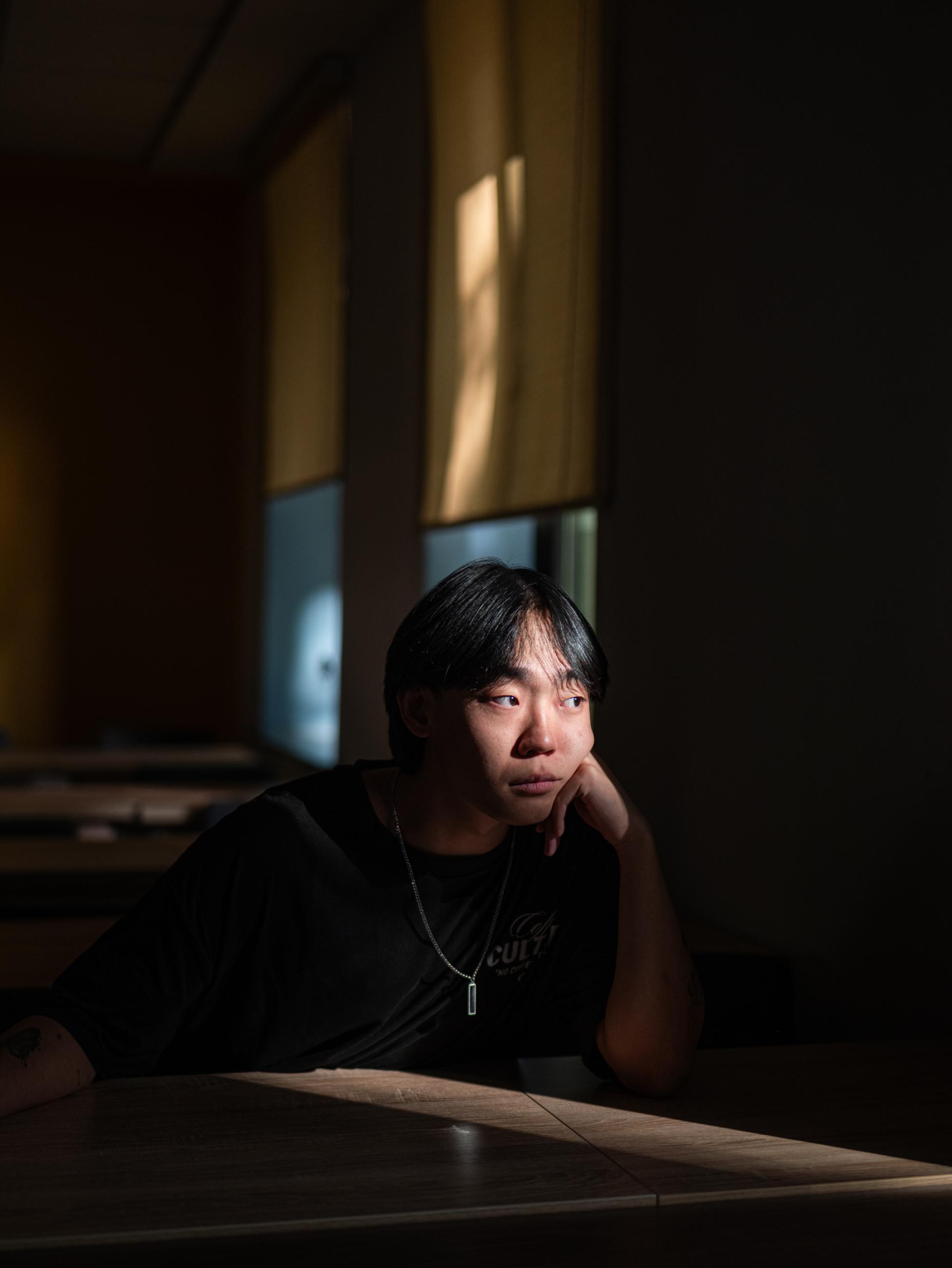
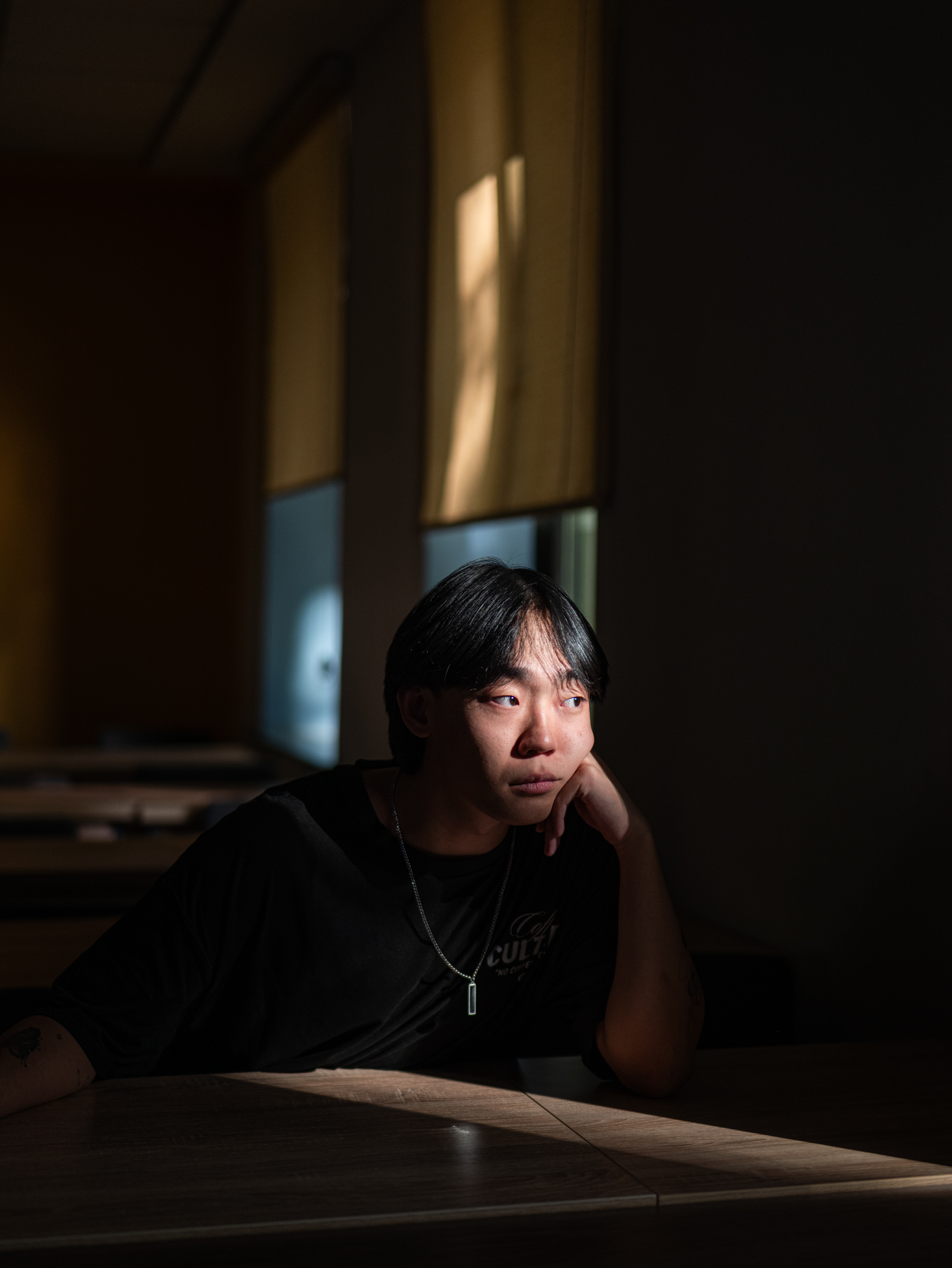
A portrait of Von Dmitriy (20) inside a classroom at Bucheon University. At home, most families speak Russian, cook plov and kimchi side by side, and identify primarily as Uzbek citizens. When some young Koryo-saram travel to South Korea, they are seen as outsiders, unfamiliar with modern Korean life or language.
© Federico Borella, Italy, 3rd Place, Professional Competition, Portraiture, 2026 Sony World Photography Awards
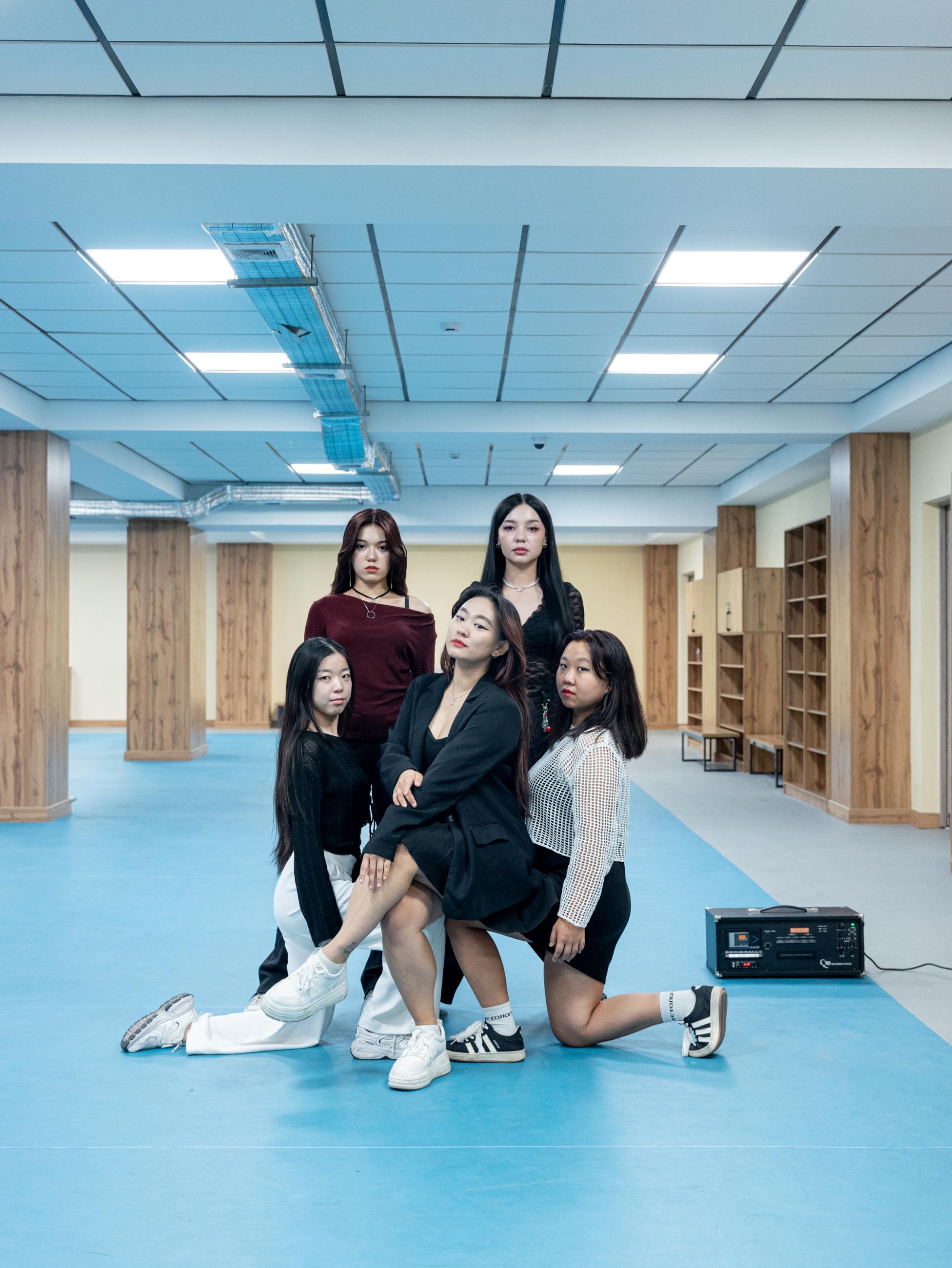
The K-pop group Blue Flame, established in 2023, during a rehearsal in the Bucheon University gym. Bucheon University in Tashkent is a branch campus of a Korean university and has become one of the main meeting points for this scene, bringing together young people from different backgrounds who share the same enthusiasm.
© Federico Borella, Italy, 3rd Place, Professional Competition, Portraiture, 2026 Sony World Photography Awards
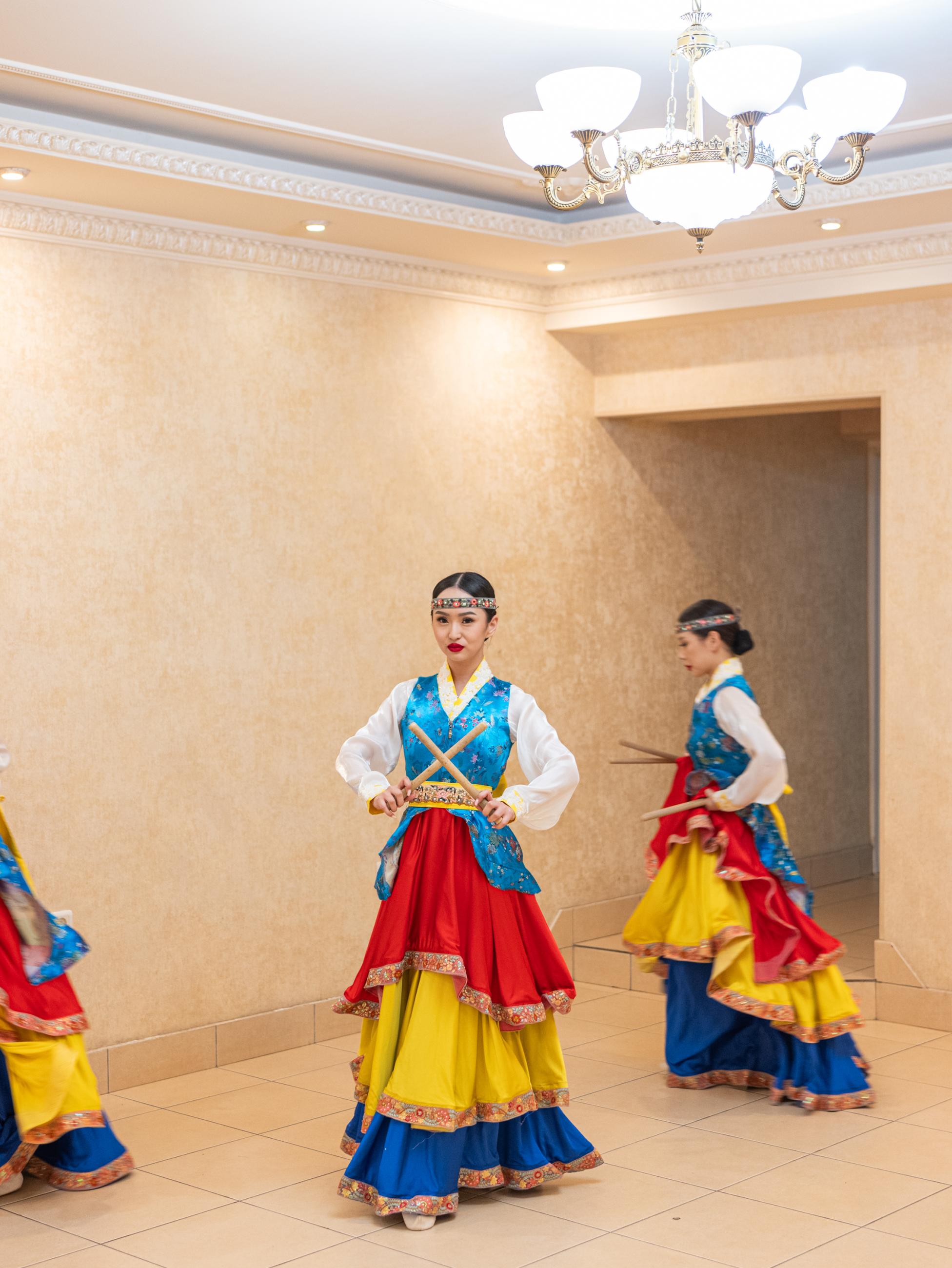
A portrait of Kseniya Tsoy, during a traditional dance performance at a 60th birthday party. Many Korean traditions are still observed in Uzbekistan, and gatherings such as this birthday party are significant moments for the Koryo-saram community to come together and strengthen their cultural ties.
© Federico Borella, Italy, 3rd Place, Professional Competition, Portraiture, 2026 Sony World Photography Awards

A portrait of Valeriya from K-pop group HUSH. Valeriya has been living in Korea since 2021, but during her stay she has been treated as a ‘stranger.’ The term wea gug is a pejorative label used in Korea to mark returnees from the former USSR as ‘foreign Koreans.’
© Federico Borella, Italy, 3rd Place, Professional Competition, Portraiture, 2026 Sony World Photography Awards
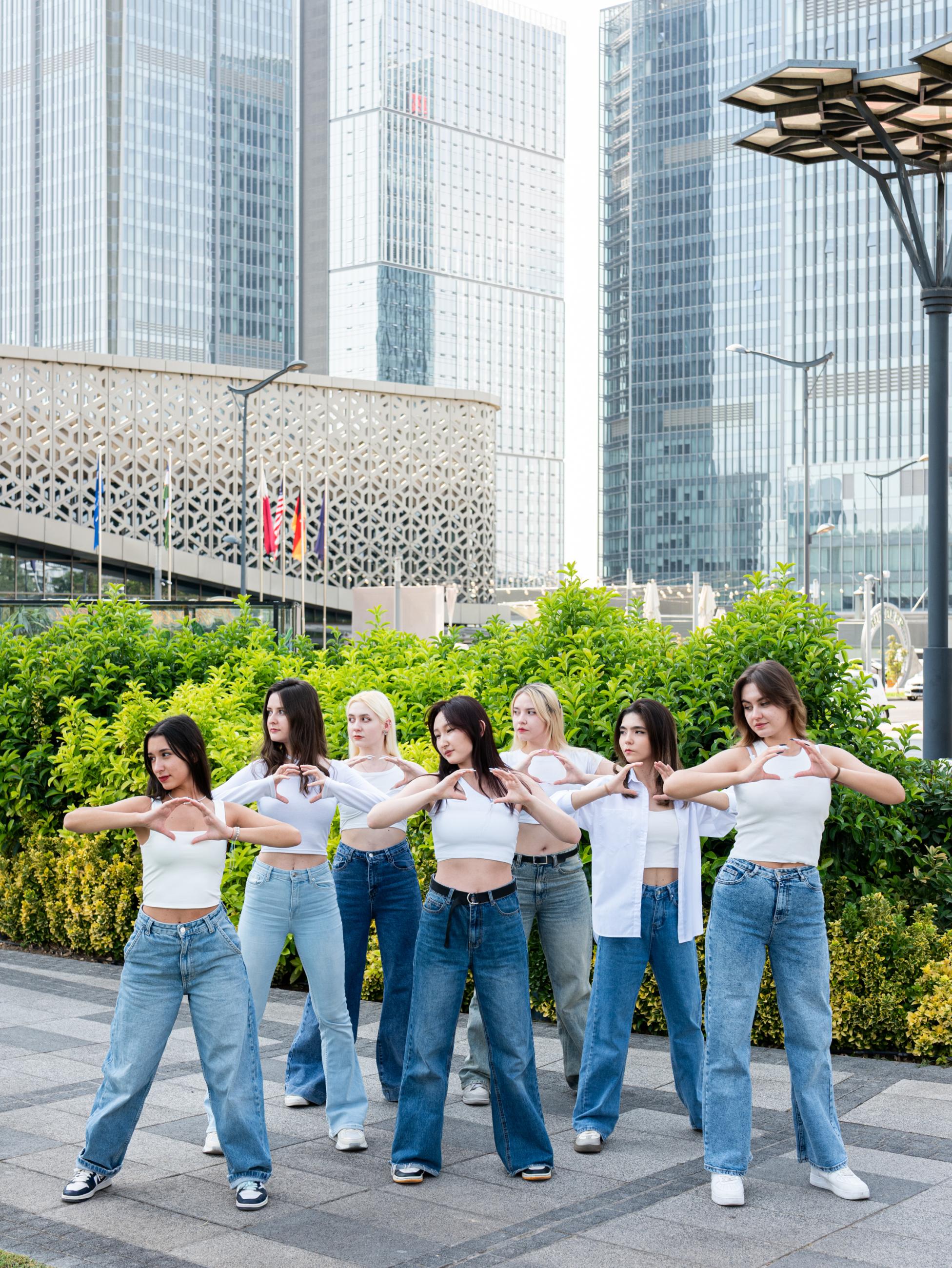
All of the members of the K-pop group The Sirens are from Tashkent, except for one, who comes from Russia. Thanks to their shows and social media activity, each year more and more non-Koreans are drawn to the genre.
© Federico Borella, Italy, 3rd Place, Professional Competition, Portraiture, 2026 Sony World Photography Awards
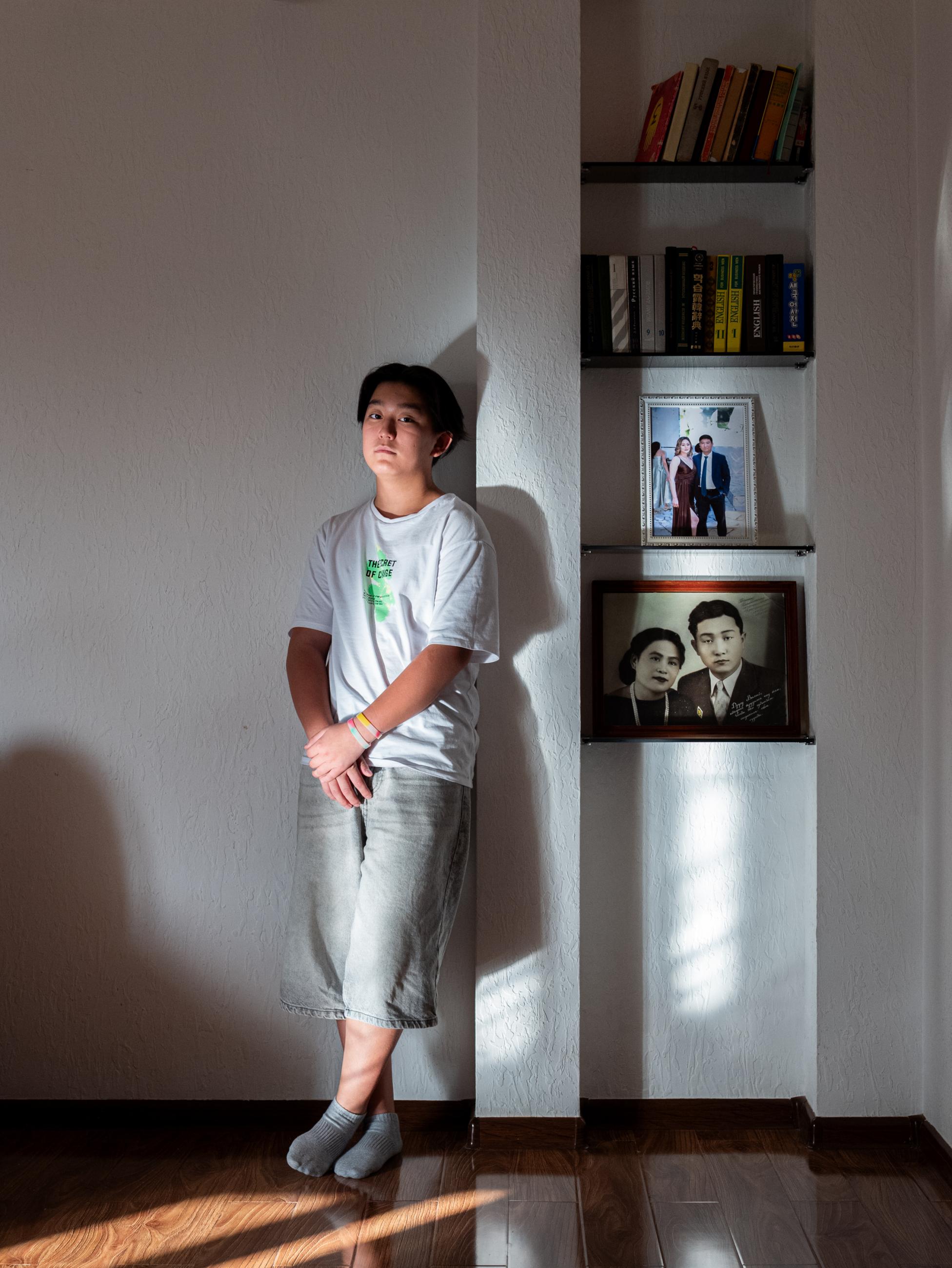
A portrait of Daniel inside his relative's house during a family gathering. The language of their ancestors — Koryo-mar — survives among the elderly, but younger generations grew up speaking Russian or Uzbek. The younger Koryo-saram now use K-pop and K-dramas as practical tools to reconnect.
© Federico Borella, Italy, 3rd Place, Professional Competition, Portraiture, 2026 Sony World Photography Awards
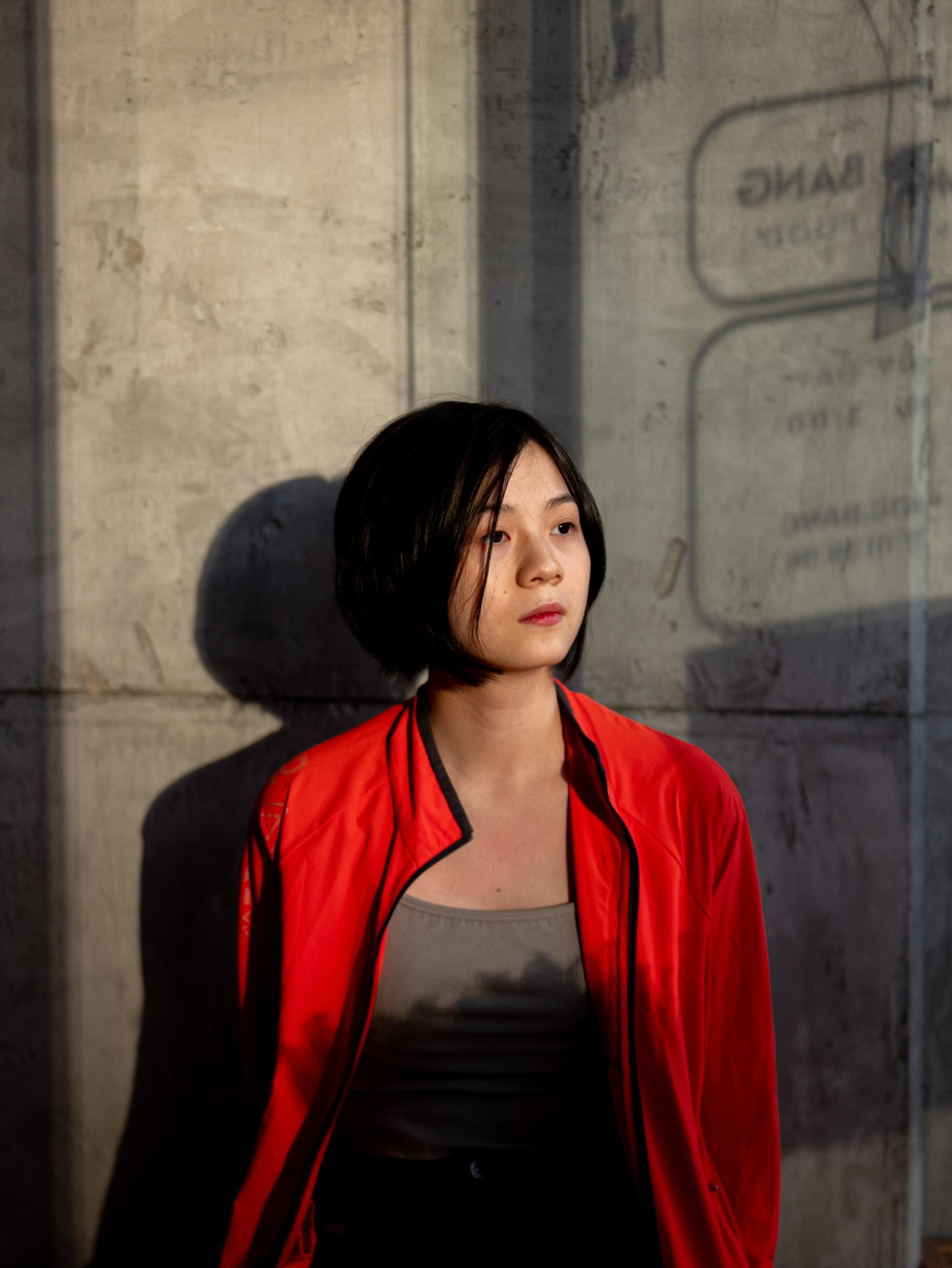
A portrait of Cristina (16). Unlike other diasporas, the Koryo-saram never formed a tightly knit community, and much of their language and tradition faded over time. Today, however, a cultural revival is taking place, led not by institutions but by the global spread of Korean pop culture.
© Federico Borella, Italy, 3rd Place, Professional Competition, Portraiture, 2026 Sony World Photography Awards
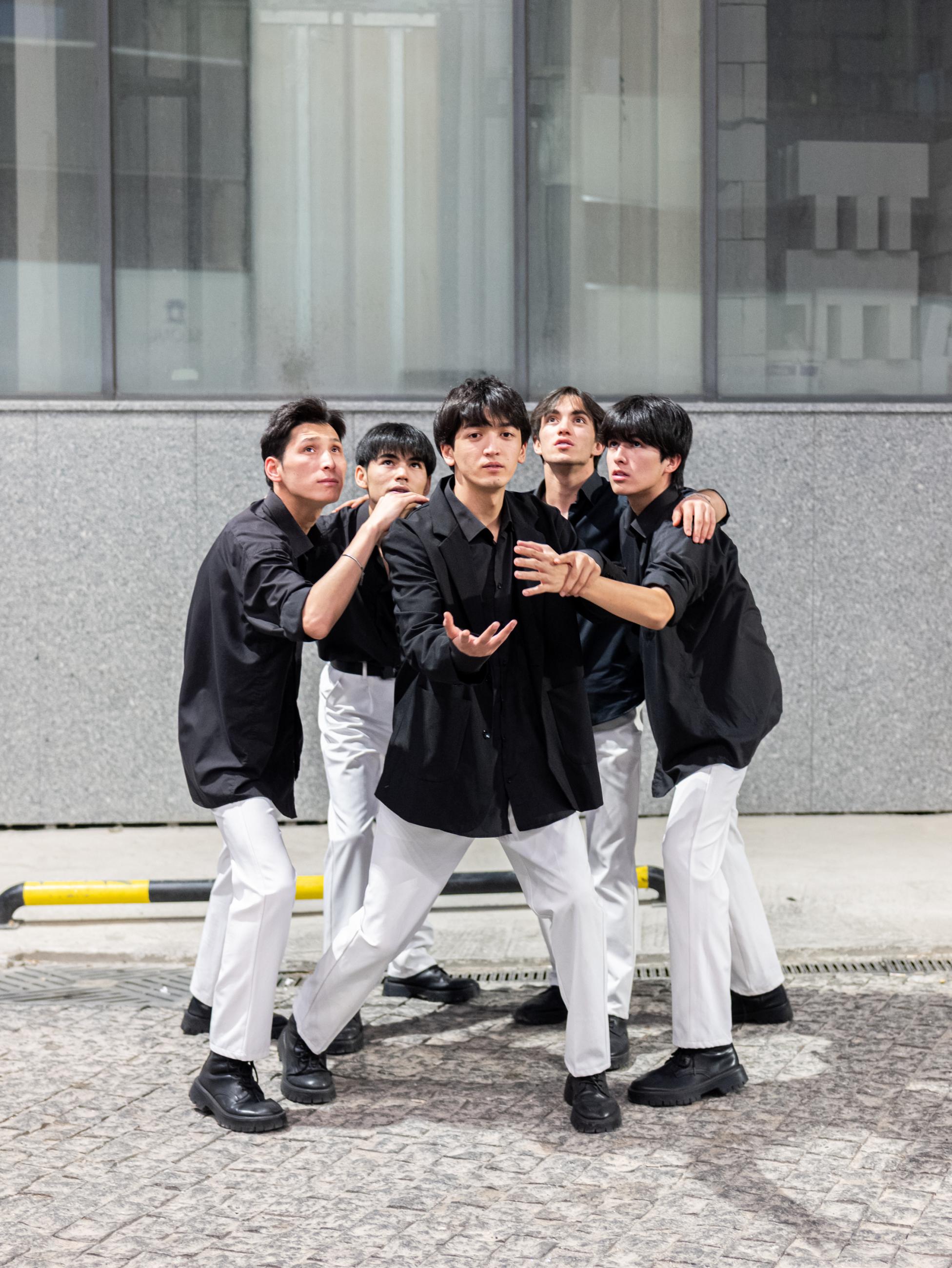
K-pop group KND met on TikTok, and formed a group in 2022. To pursue their dream, they defied their parents, who disapproved of their passion for K-pop. In Uzbekistan, the genre is often seen as a predominantly female genre, so they face bullying and online hate. They are now about to record their debut album.
© Federico Borella, Italy, 3rd Place, Professional Competition, Portraiture, 2026 Sony World Photography Awards