

Series description
Since declaring independence in 1973, Guinea‑Bissau has faced chronic poverty, political instability, and weak institutions. Nearly 65 per cent of the population lives below the poverty line, chronic malnutrition affects more than 28 per cent of children, and infant and maternal mortality are among the highest in the world. Only around 28 per cent of children complete primary school, while agriculture, dominated by cashew nuts, is highly vulnerable to climate change. This series documents the state of stagnation in a country that has recently marked 50 years of independence, yet remains trapped in a state of limbo.
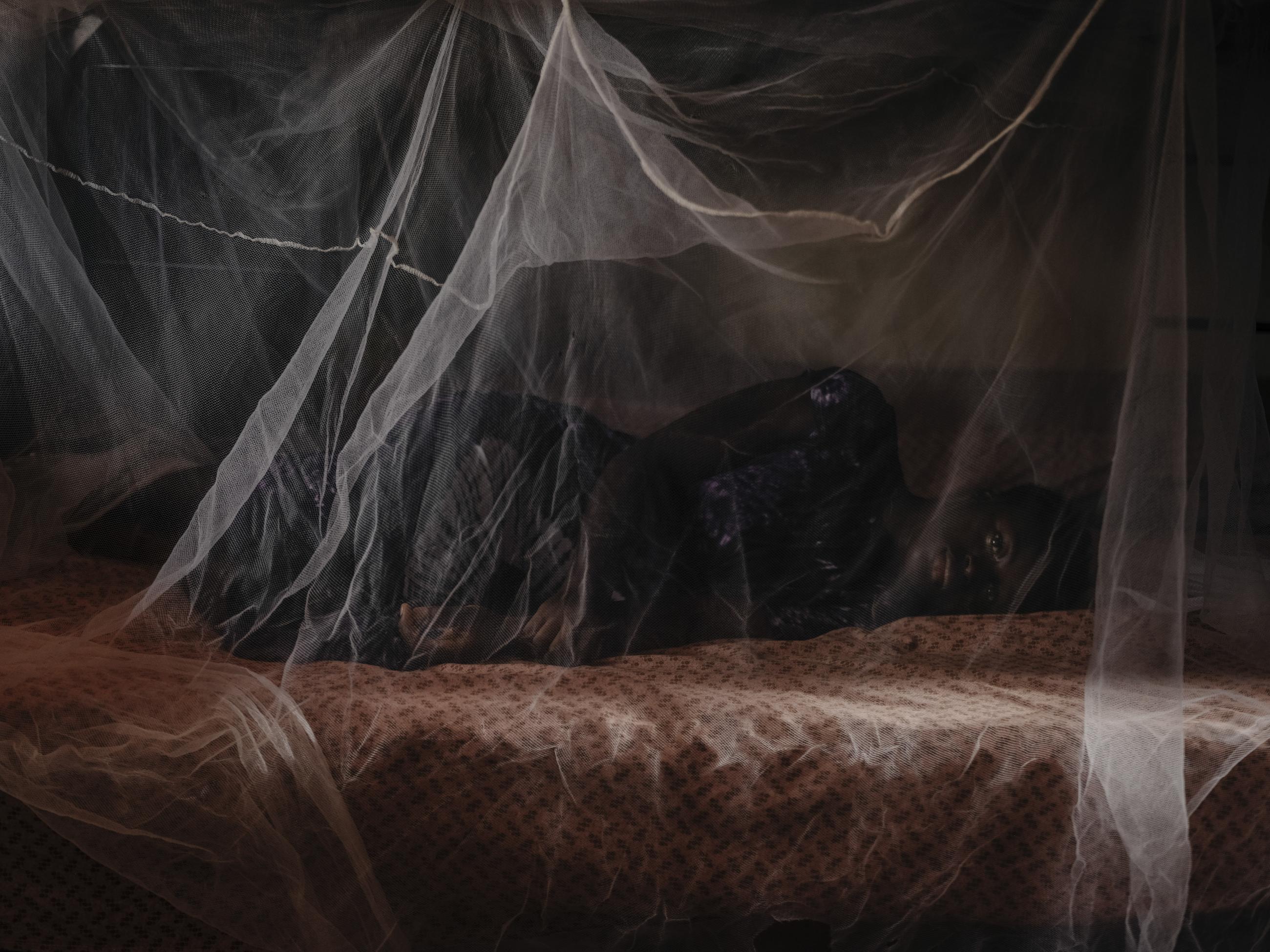
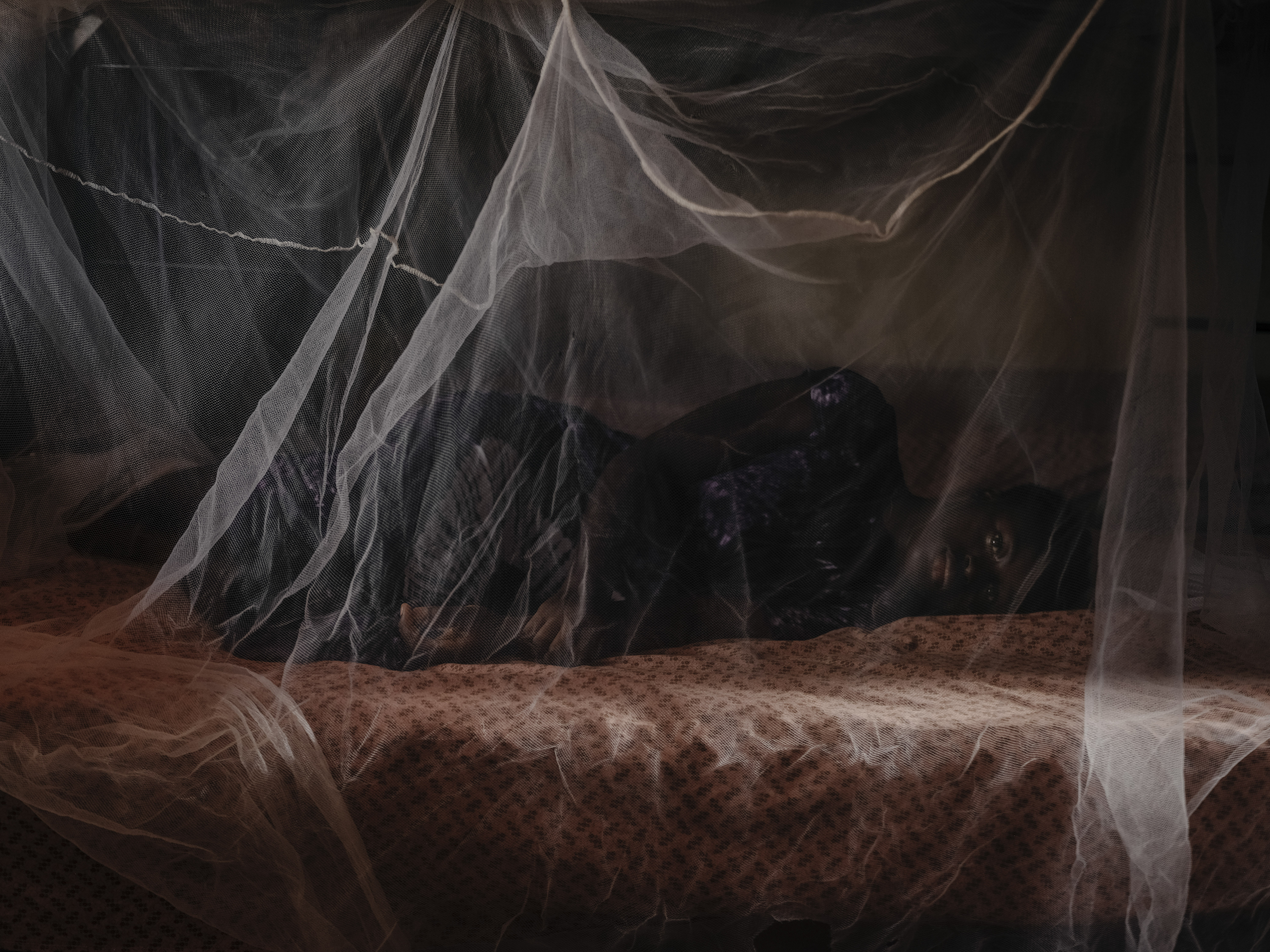
Sábado (16) sleeps at the AMIC Support Center on the outskirts of Bissau, which receives girls fleeing forced marriage or exploitation. Her father forced her to marry a man aged over 65; when he demanded she get pregnant, she escaped. In Guinea‑Bissau, one in four women aged 20–24 has married before she was 18, driven by social and economic factors.
© Mário Cruz, Portugal, Shortlist, Professional Competition, Documentary Projects, 2026 Sony World Photography Awards
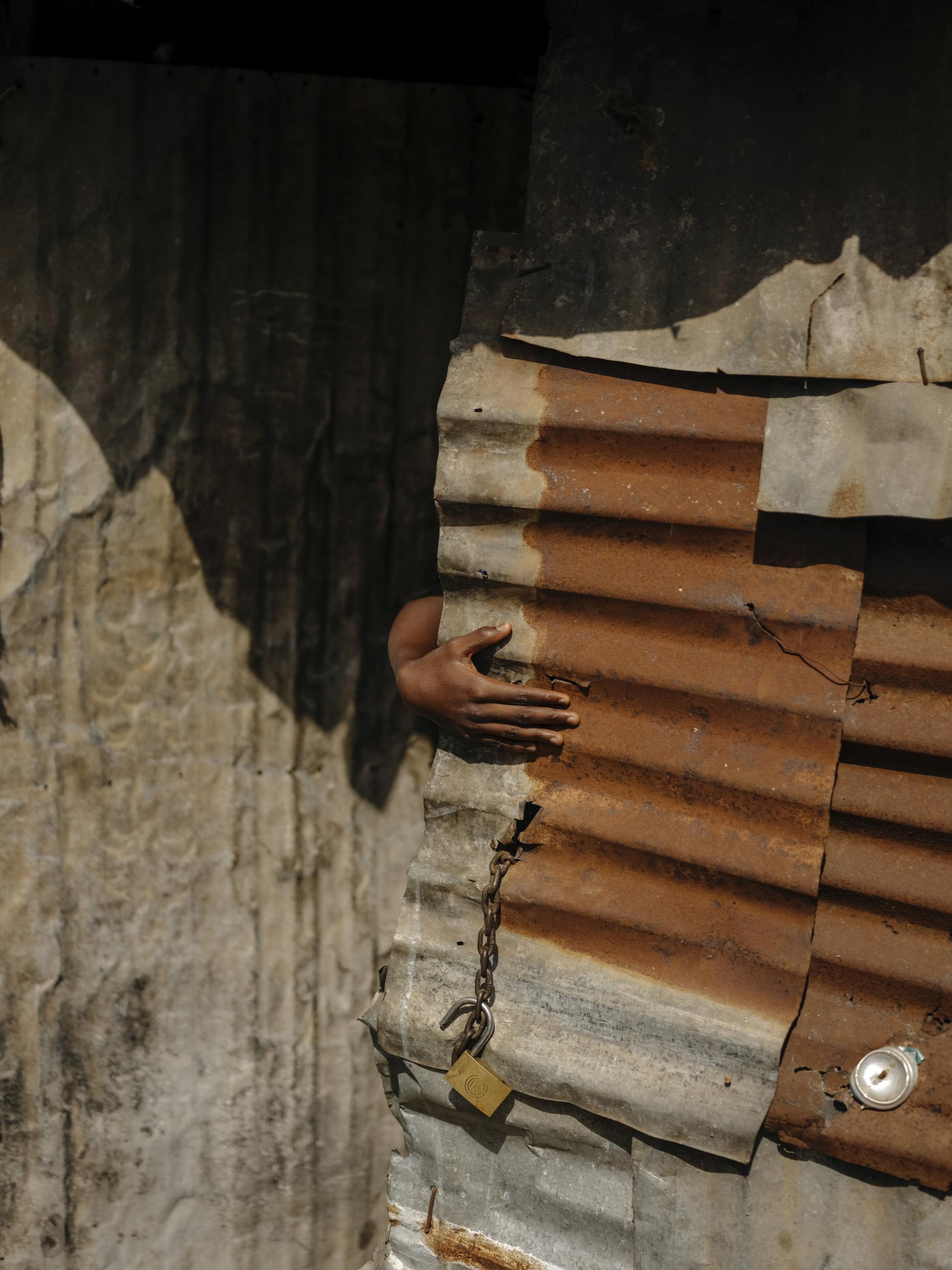
A child stands at the entrance to his home in the neighbourhood of Pilum in Bissau. It is a small dwelling made of metal sheets and secured with a padlock. The country is trapped in chronic poverty, and according to a 2024 UNICEF report, more than two‑thirds of the population is living on less than US $2 a day.
© Mário Cruz, Portugal, Shortlist, Professional Competition, Documentary Projects, 2026 Sony World Photography Awards
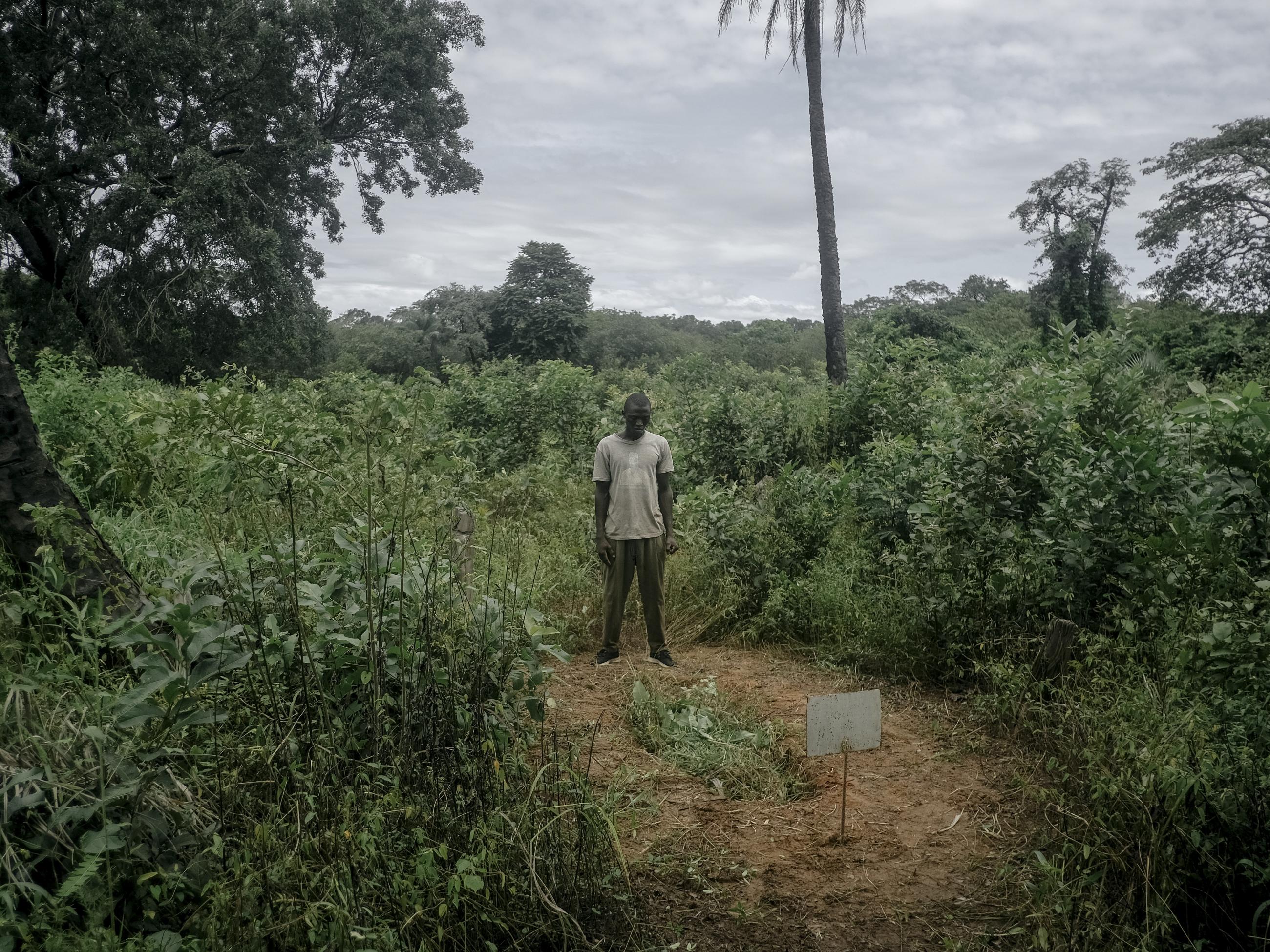
Iaia Baró observes the tomb of his brother, Malam (13), who died at a phosphate mining site. Mining in Guinea‑Bissau is often done without safety measures or environmental care, harming communities. Studies report that phosphate extraction causes illness, destroys farmland and is reportedly often run by foreign companies that ‘neglect people’s safety and local rights’.
© Mário Cruz, Portugal, Shortlist, Professional Competition, Documentary Projects, 2026 Sony World Photography Awards
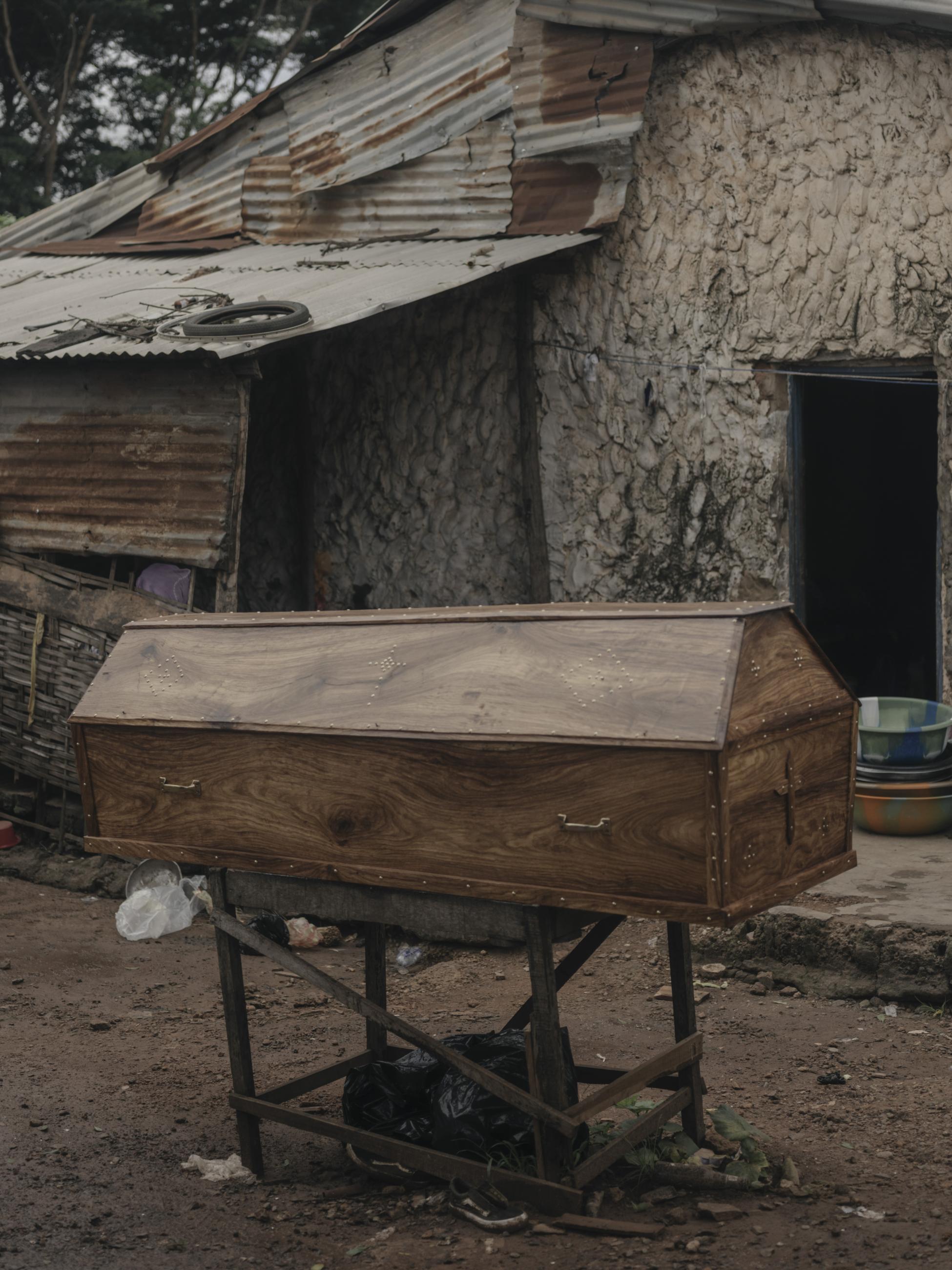
A coffin on a street on the outskirts of Bissau. This is a stark sign of the tense climate in Guinea‑Bissau, where political persecution, the repression of journalists and activists, and attacks on civic freedoms have escalated. The photographer explains that the authorities have shut down media outlets and expelled many foreign journalists.
© Mário Cruz, Portugal, Shortlist, Professional Competition, Documentary Projects, 2026 Sony World Photography Awards
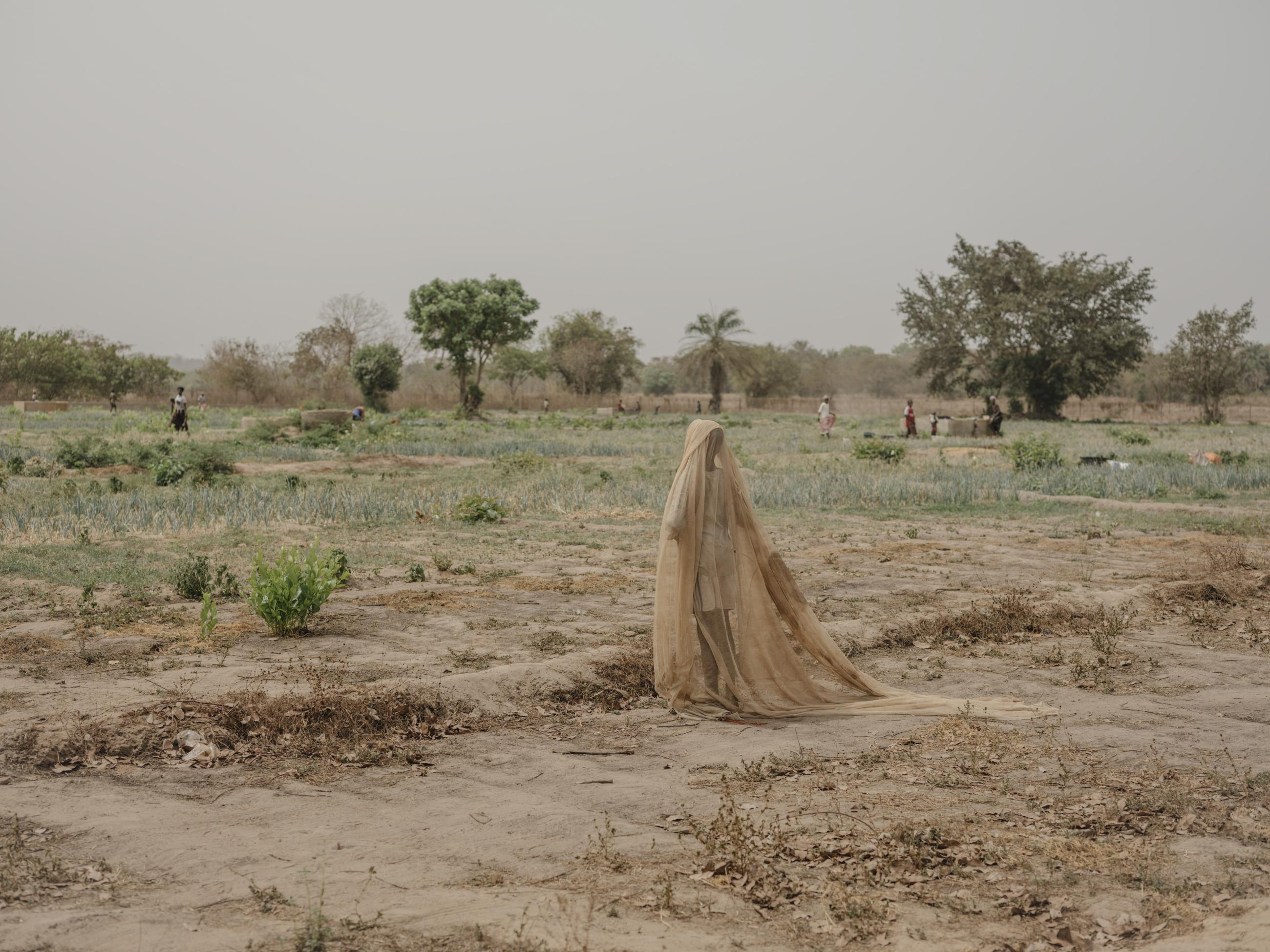
A child shields themself from the sun with a net while watching a parched field. This image shows how climate change affects rural Guinea‑Bissau. Agriculture employs 80 per cent of the workforce, and cashew production is the main income for over two‑thirds of households. Many children leave school to help with the harvest, limiting their education.
© Mário Cruz, Portugal, Shortlist, Professional Competition, Documentary Projects, 2026 Sony World Photography Awards
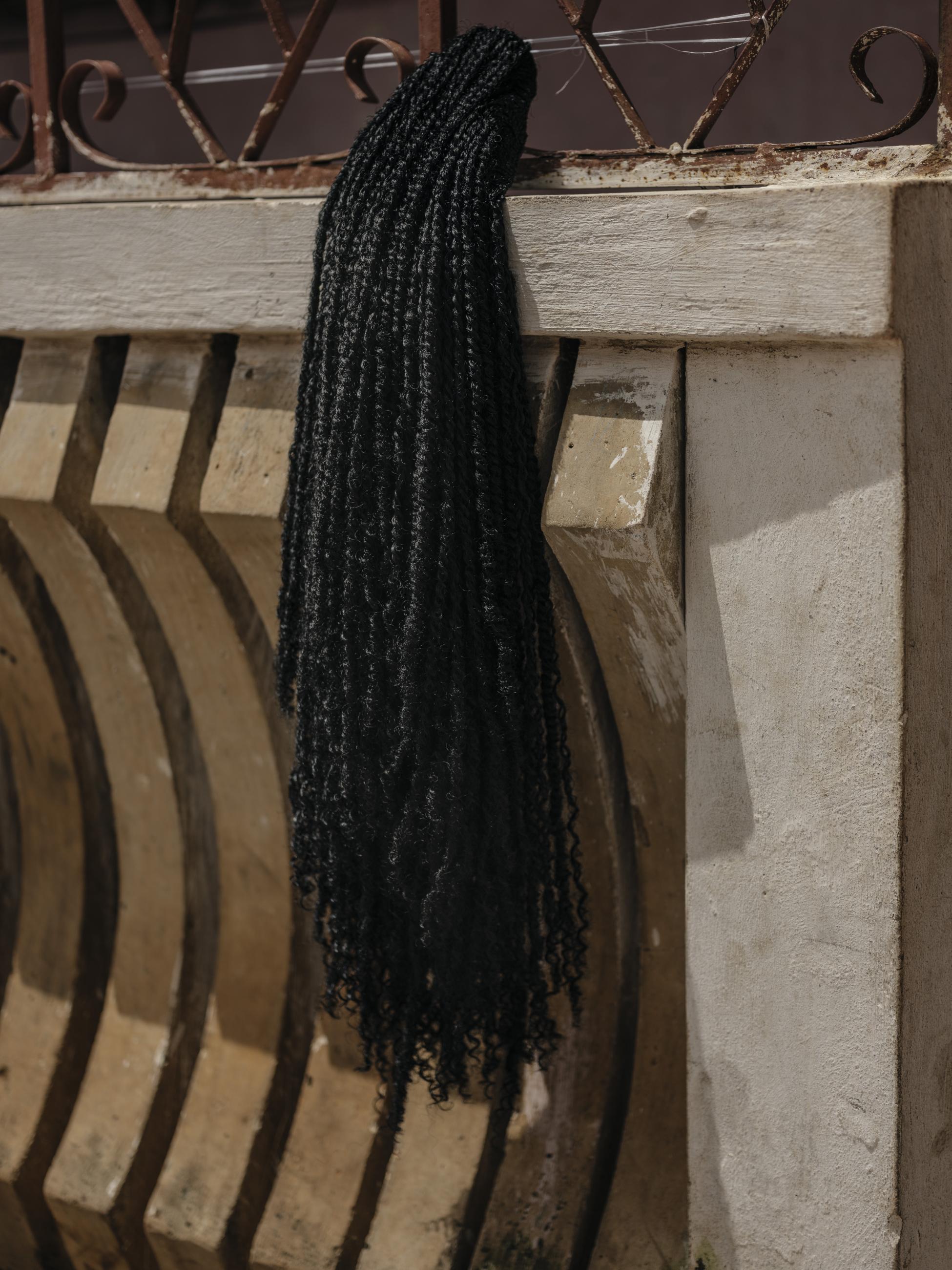
Hair caught on a fence in the Bissau military neighbourhood. Guinea‑Bissau has recently seen growing political and social repression, including arbitrary detentions, intimidation and attacks on activists and human rights defenders.
© Mário Cruz, Portugal, Shortlist, Professional Competition, Documentary Projects, 2026 Sony World Photography Awards
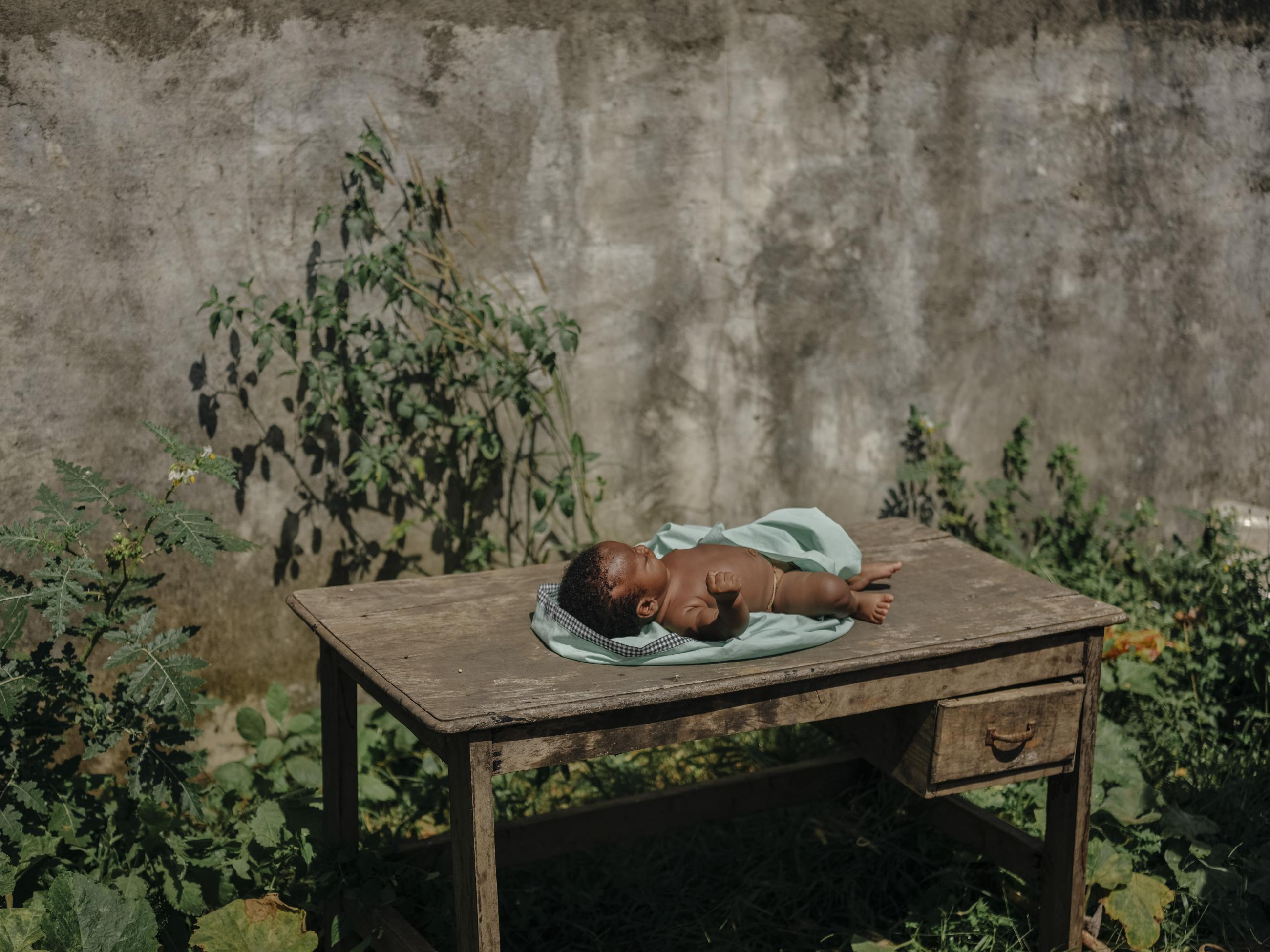
At just one month old, Lúcio is the youngest child rescued by Associação Amigos da Criança. Born to an adolescent mother who was forced to live with a 60-year-old man, he was handed to the police after her escape. In Guinea-Bissau, 43 per cent of deaths in infants under the age of five occur in the first month, and the maternal mortality rate is 667 in 100,000.
© Mário Cruz, Portugal, Shortlist, Professional Competition, Documentary Projects, 2026 Sony World Photography Awards