

Series description
Like much of the world, large parts of Iran are facing a long-term drought crisis. Lake Urmia, in northwestern Iran, was once the largest saltwater lake in West Asia. It was a sanctuary for migratory and indigenous animals, and every year hundreds of tourists visited its shores. However, decades of drought, rising summer temperatures that accelerate evaporation, and increasing water demands from agriculture have shrunk the lake dramatically. Its water volume fell from 30 billion cubic metres in 1999, to just half a billion cubic metres in 2013, and today it is a barren salt marsh. Salt storms rising from its dry bed pose health hazards to surrounding regions, with more than 14 million people indirectly impacted by this environmental catastrophe. Deserted villages and small towns now surround the lake, as families have been forced to leave their homes, livelihoods and cherished memories behind. Lake Urmia stands as a silent witness to environmental neglect — a haunting reminder of what is lost when nature’s balance is disrupted.
Untitled
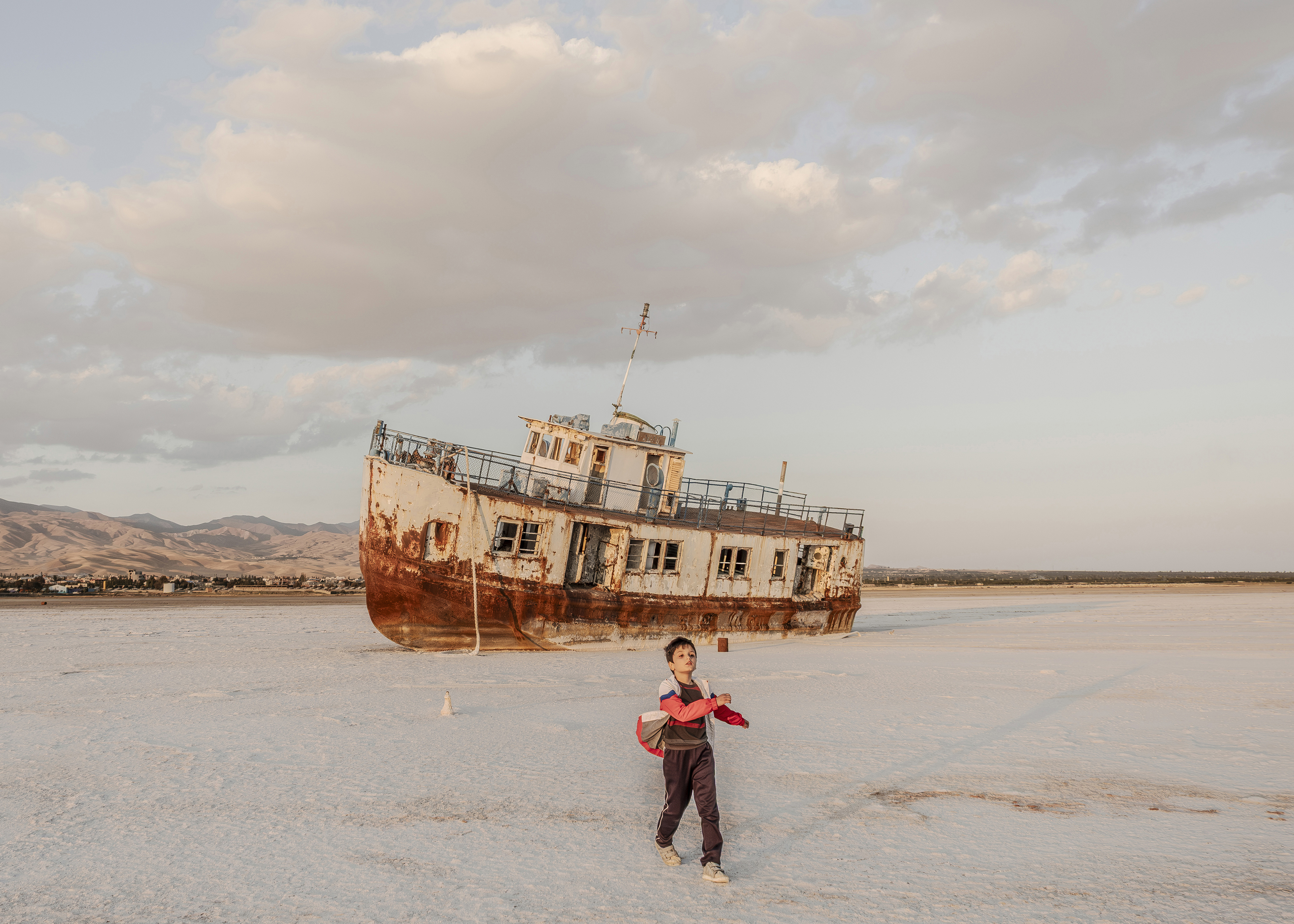
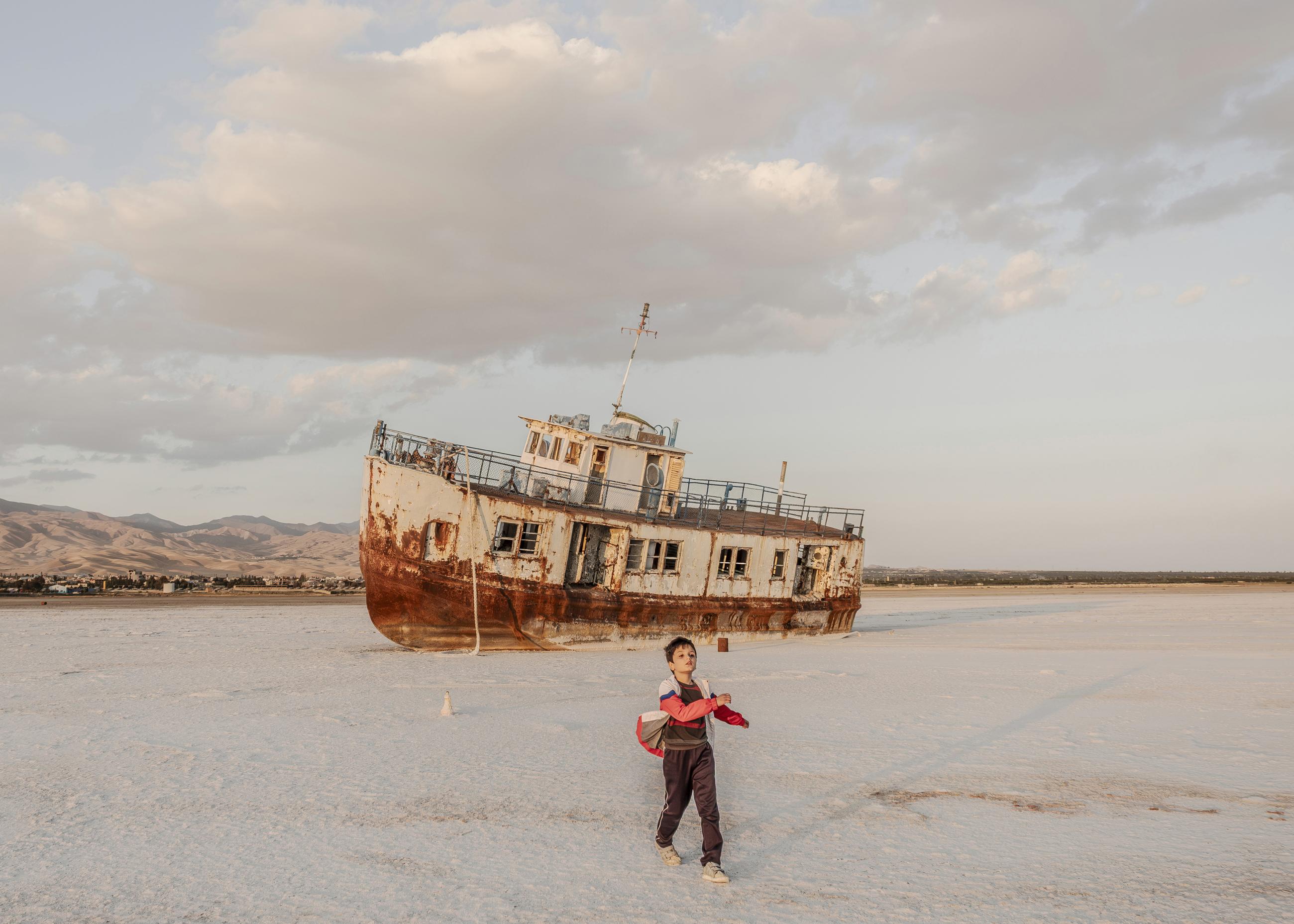
This vessel was used for many years to transport people and goods between East and West Azerbaijan, but due to the gradual drying of Lake Urmia, it is now stranded on the salt flats.
© Hossein Sadri Nobarzad, Iran, Islamic Republic Of, Shortlist, Professional Competition, Environment, 2026 Sony World Photography Awards
Untitled
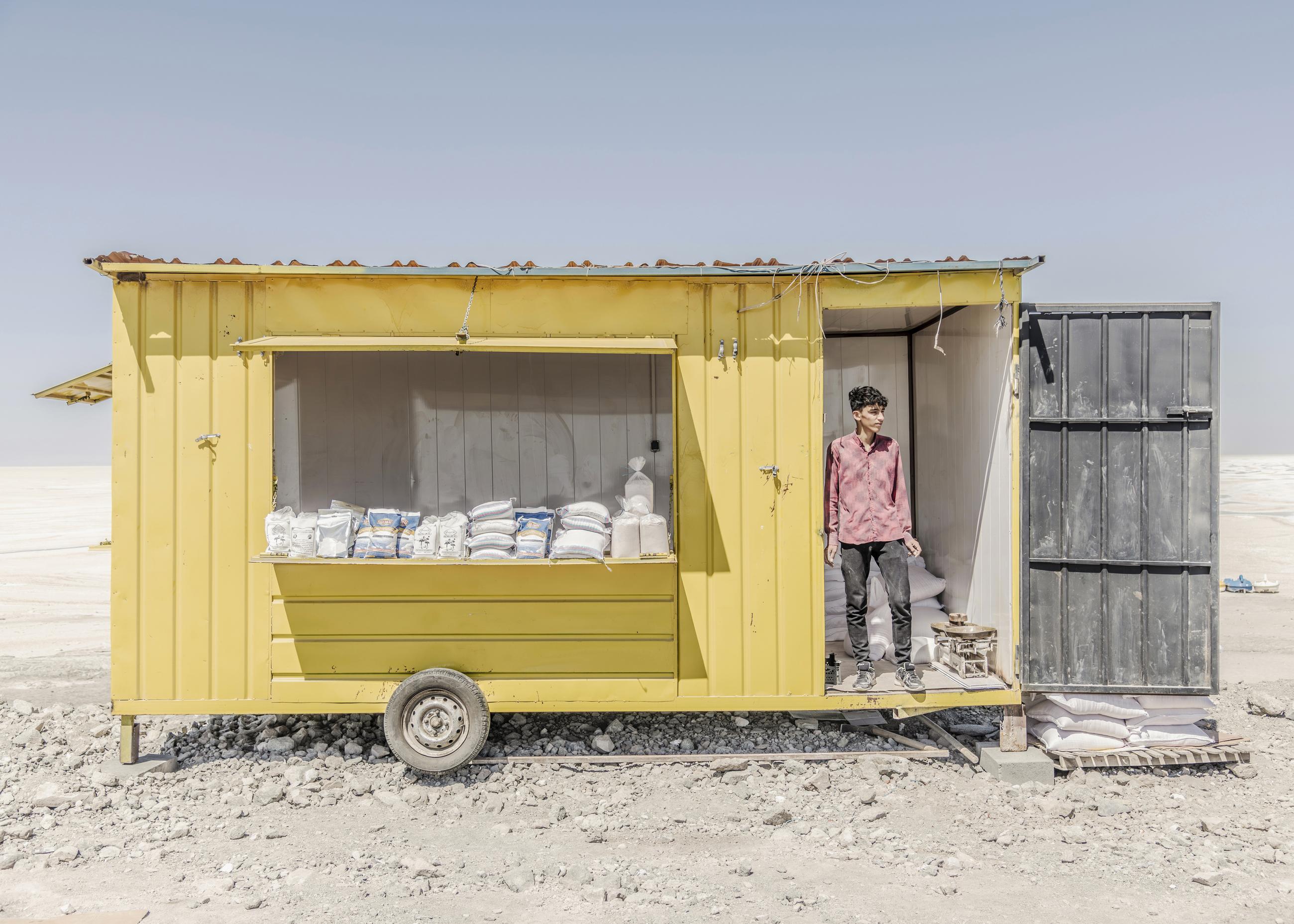
A young vendor squints against the harsh sunlight as he looks out from the entrance of his stall. Along with a few others around the lake, he is busy selling the lake’s salt.
© Hossein Sadri Nobarzad, Iran, Islamic Republic Of, Shortlist, Professional Competition, Environment, 2026 Sony World Photography Awards
Untitled
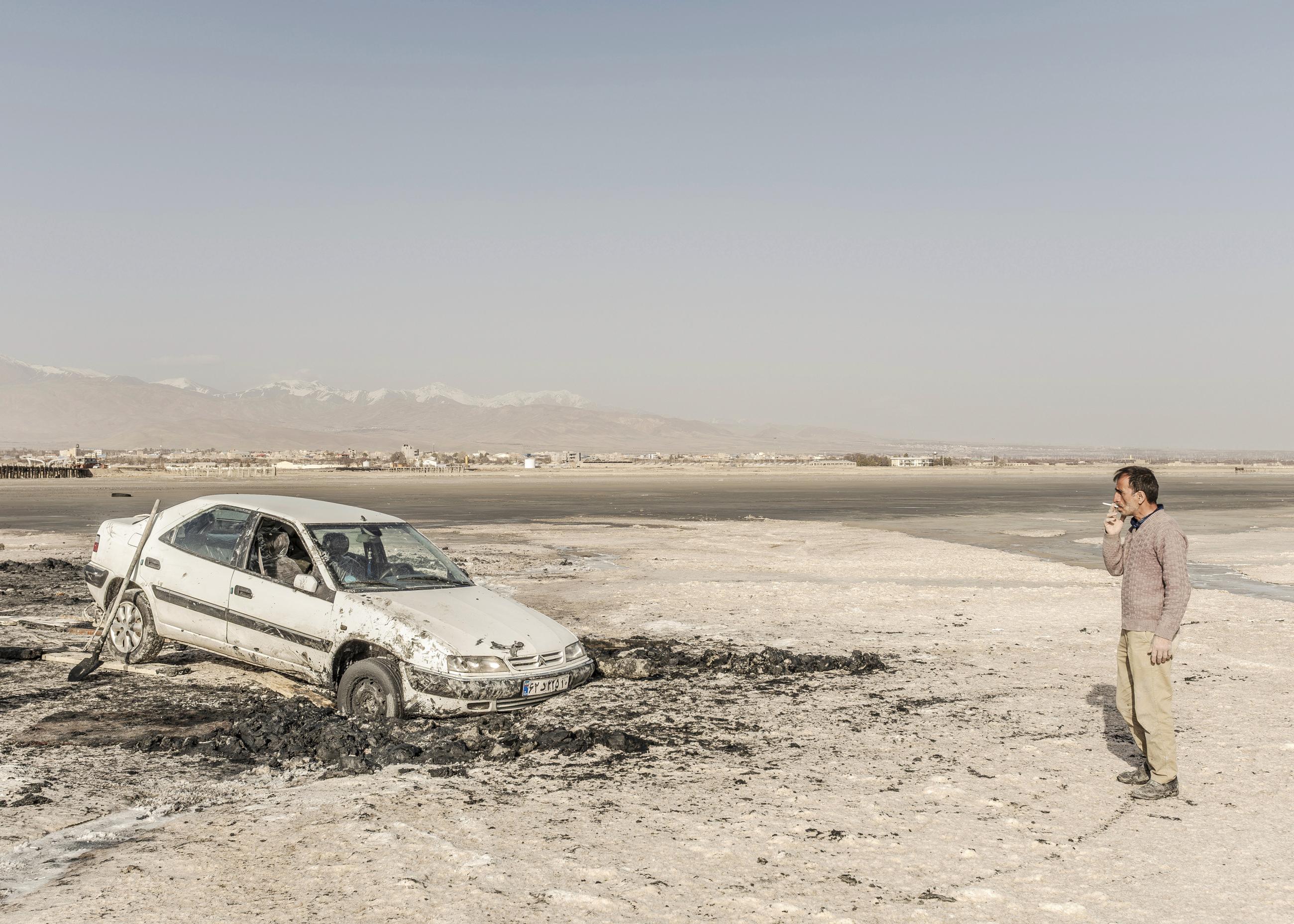
This car has sunk into the lake’s mud. This man has been trying to free it, but has been unable to do so.
© Hossein Sadri Nobarzad, Iran, Islamic Republic Of, Shortlist, Professional Competition, Environment, 2026 Sony World Photography Awards
Untitled
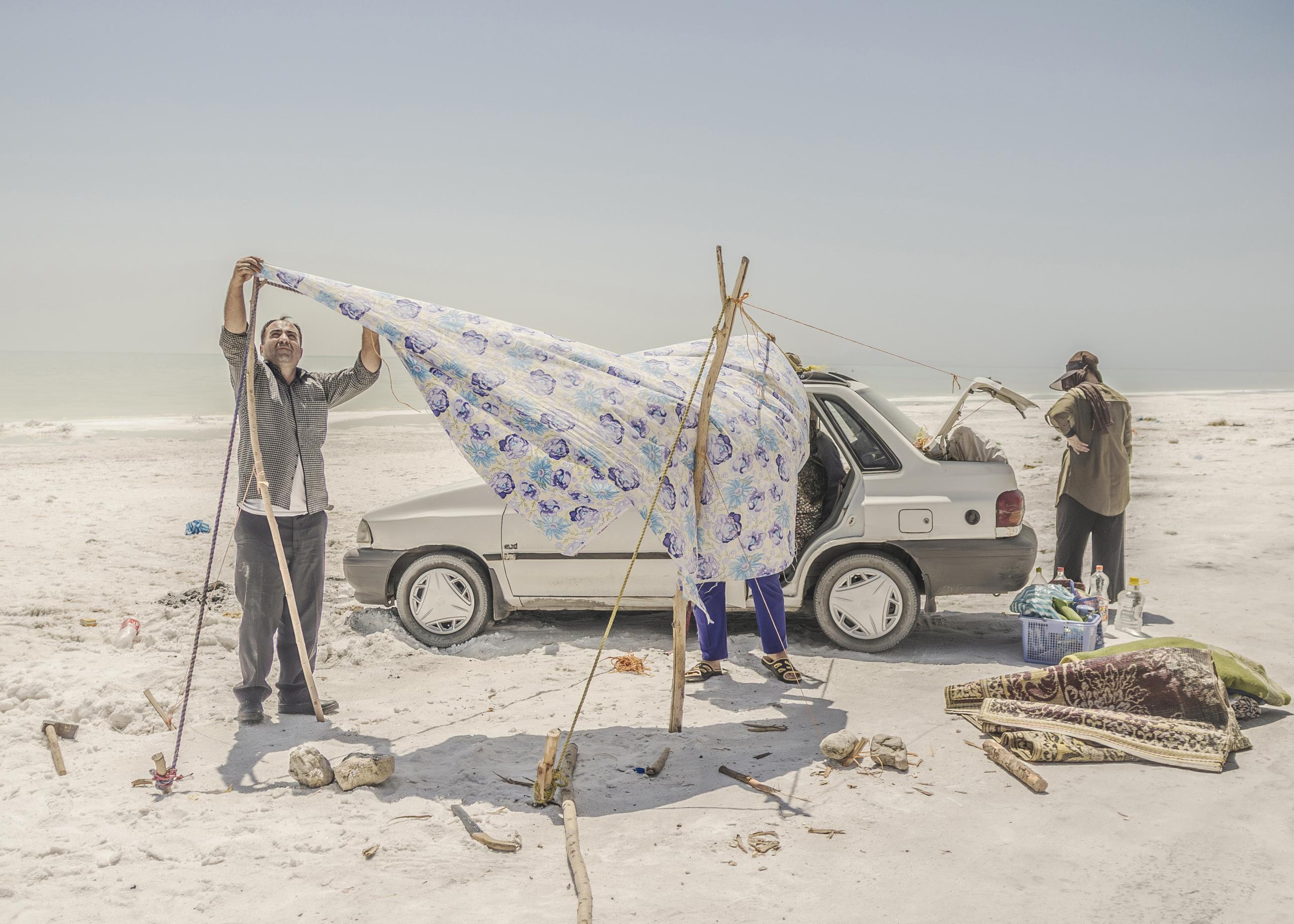
A family sets up their tent on the Kazem-Dashi shore. The white salt covering the beach reflects the intense sunlight, making the heat feel even stronger and casting a blazing, shimmering glow across the shore.
© Hossein Sadri Nobarzad, Iran, Islamic Republic Of, Shortlist, Professional Competition, Environment, 2026 Sony World Photography Awards
Untitled
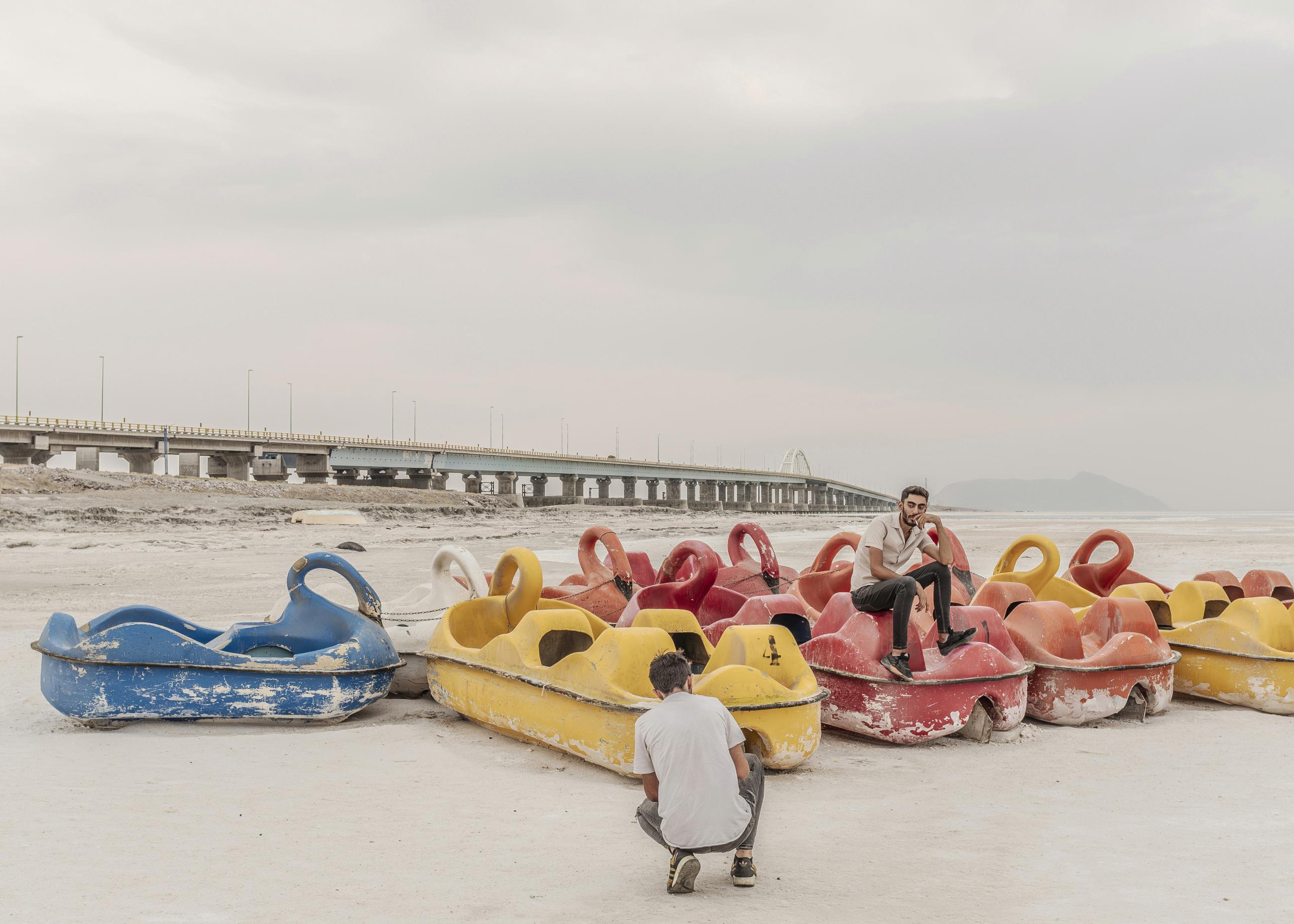
Two young men next to abandoned swan-shaped boats. Behind them, the Shahid Kalantari Bridge is visible, connecting the East and West Azerbaijan provinces.
The bridge was largely built on embankments and divides the lake. Scientific evidence indicates that this construction has not only reduced water flow, but split the inflowing water into two basins, and increased evaporation,contributing significantly to the drying of Lake Urmia.
© Hossein Sadri Nobarzad, Iran, Islamic Republic Of, Shortlist, Professional Competition, Environment, 2026 Sony World Photography Awards
Untitled
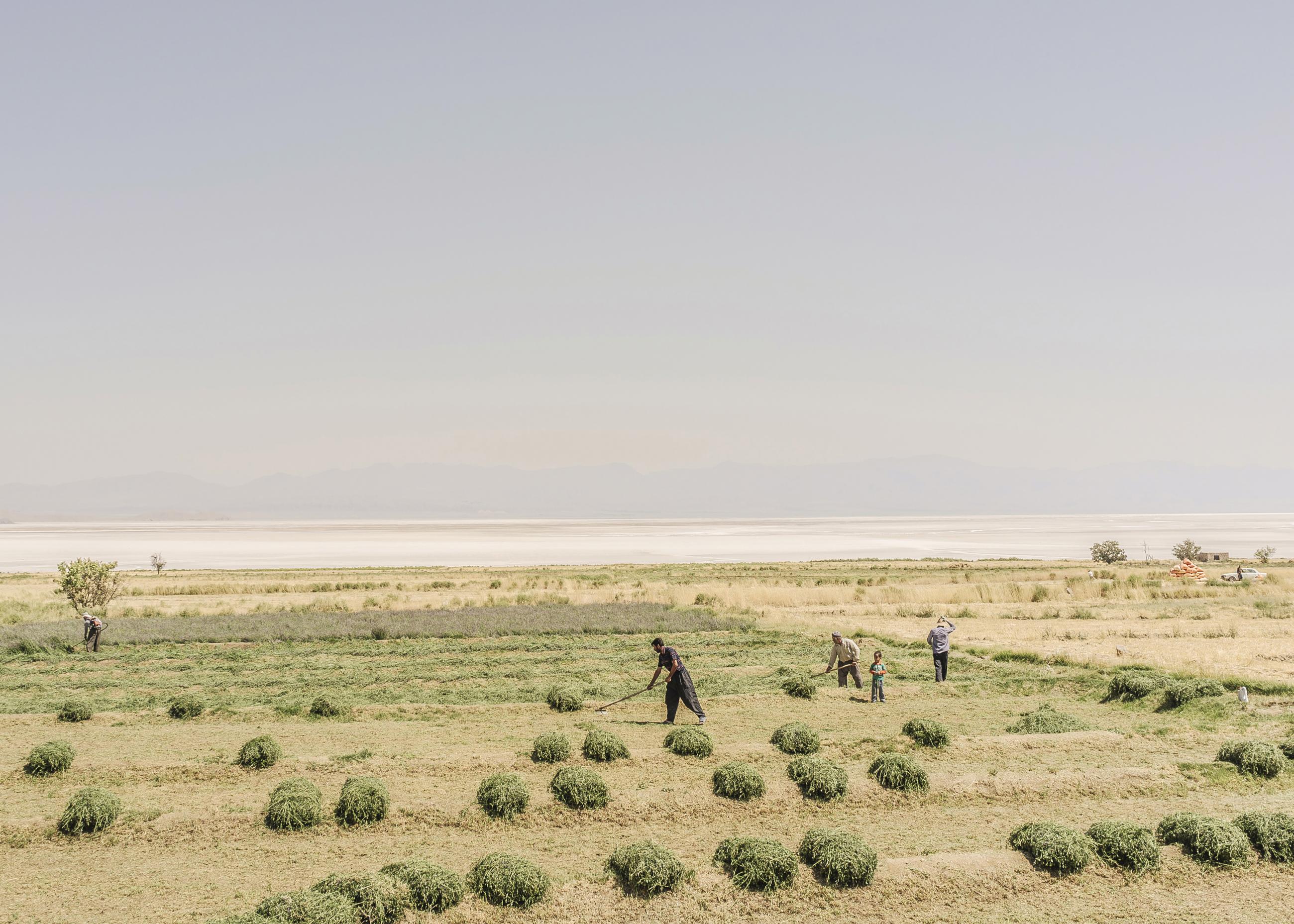
A farming family harvests their crops. Their farmland is located near the lake, and the advancing salt has caused them significant problems. This may be the last year they are able to harvest their crops.
© Hossein Sadri Nobarzad, Iran, Islamic Republic Of, Shortlist, Professional Competition, Environment, 2026 Sony World Photography Awards
Untitled
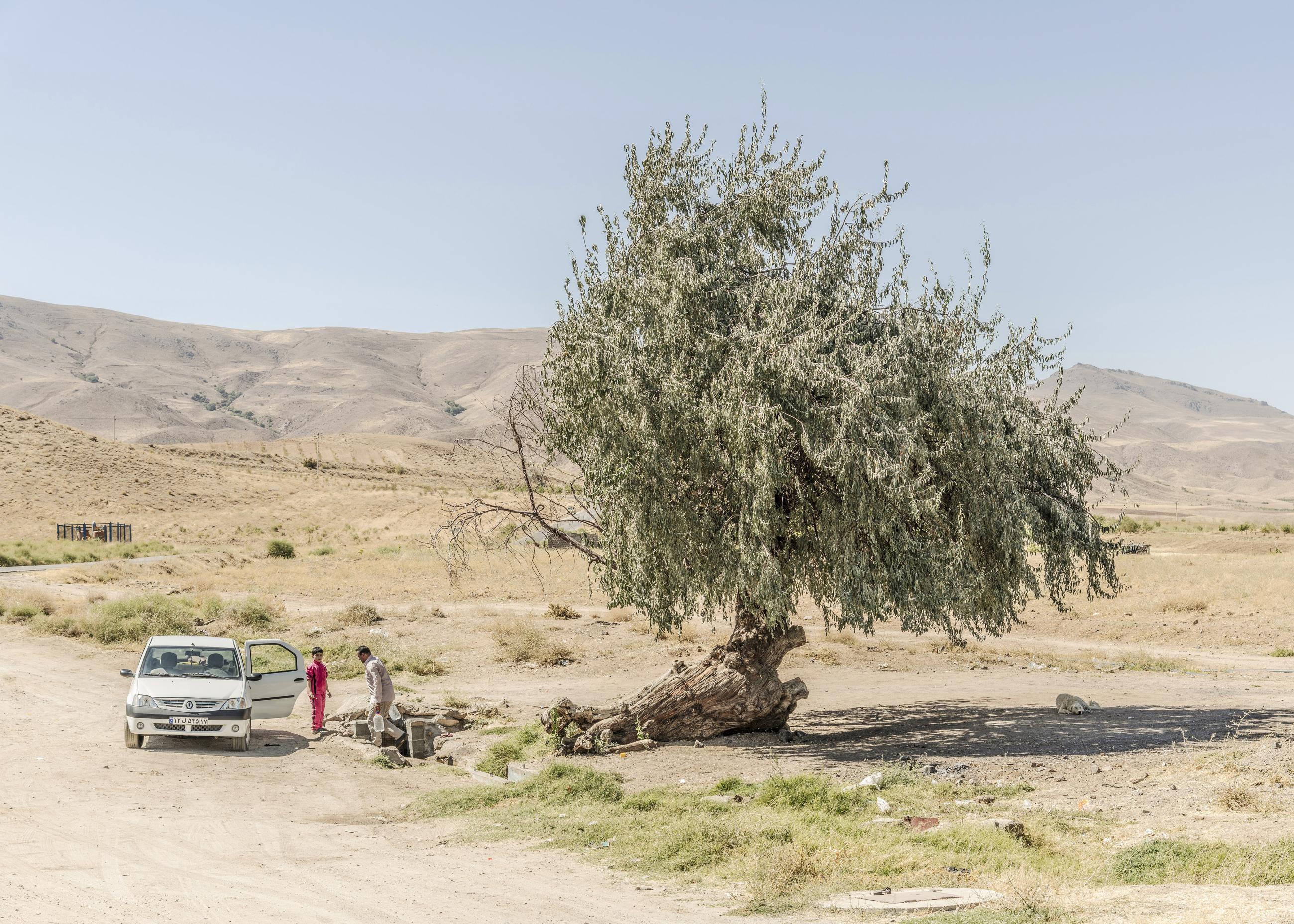
A father and his son fill their containers with water from a spring. In recent years, the lack of water, and contaminated water, has made people return to old, natural springs.
© Hossein Sadri Nobarzad, Iran, Islamic Republic Of, Shortlist, Professional Competition, Environment, 2026 Sony World Photography Awards
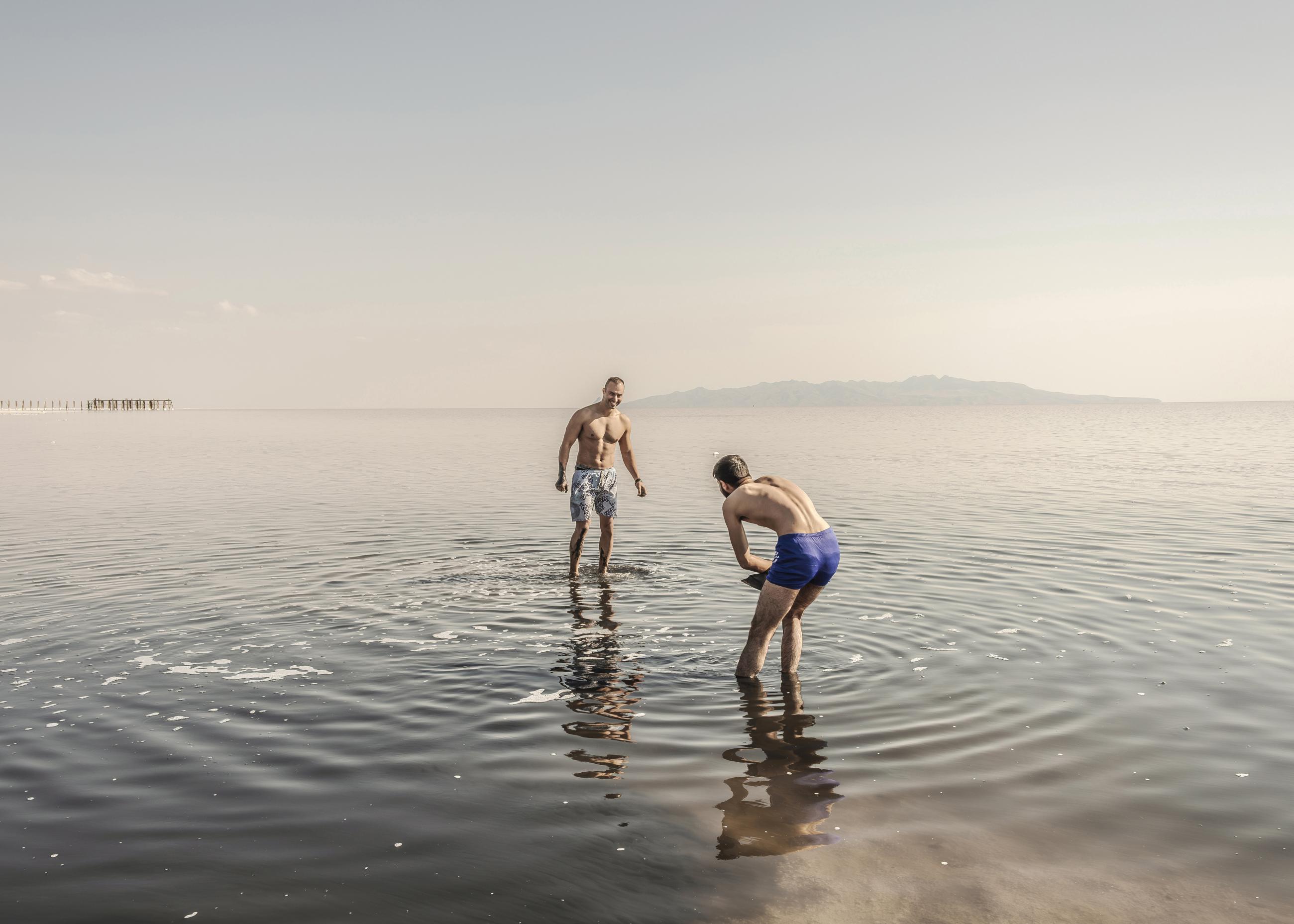
Untitled
Two young men are walking in the shallow remaining waters of the lake, while sunlight glistens on the salt-covered bed. Local people still believe in the healing properties of these mineral-rich waters. The lake, with its salty bed and abundant minerals, is not only a natural treasure but also a symbol of the region’s environmental changes.
© Hossein Sadri Nobarzad, Iran, Islamic Republic Of, Shortlist, Professional Competition, Environment, 2026 Sony World Photography Awards