

Back to Documentary Projects
Documentary Projects 3rd Place
Sixteen and a Half: Eight Months in a Juvenile Prison
Alexandre Bagdassarian
Series description
Over a period of eight months, Alexandre Bagdassarian documented the daily lives of young detainees in one of France’s six juvenile prisons, one of the country’s least visible institutions. The photographer sought to understand what it means to be young and confronted with prison, not from the perspective of legal texts or institutional discourse, but by observing the trajectories, voices, and bodies of those living this reality. Often relegated to silence or the margins, their stories are rarely told, and when they are, they reach us through a media or political lens, the photographer explains, sometimes ‘shaped by security driven ideologies’.
Biography
Alexandre Bagdassarian (b. 1992) is a French documentary photographer who studied at ENSAD Paris. Nourished by a personal and social revolt, his work has gradually focused on youth, exploring the connections between intimate experiences and political coercion, whether they are physical, social, or symbolic
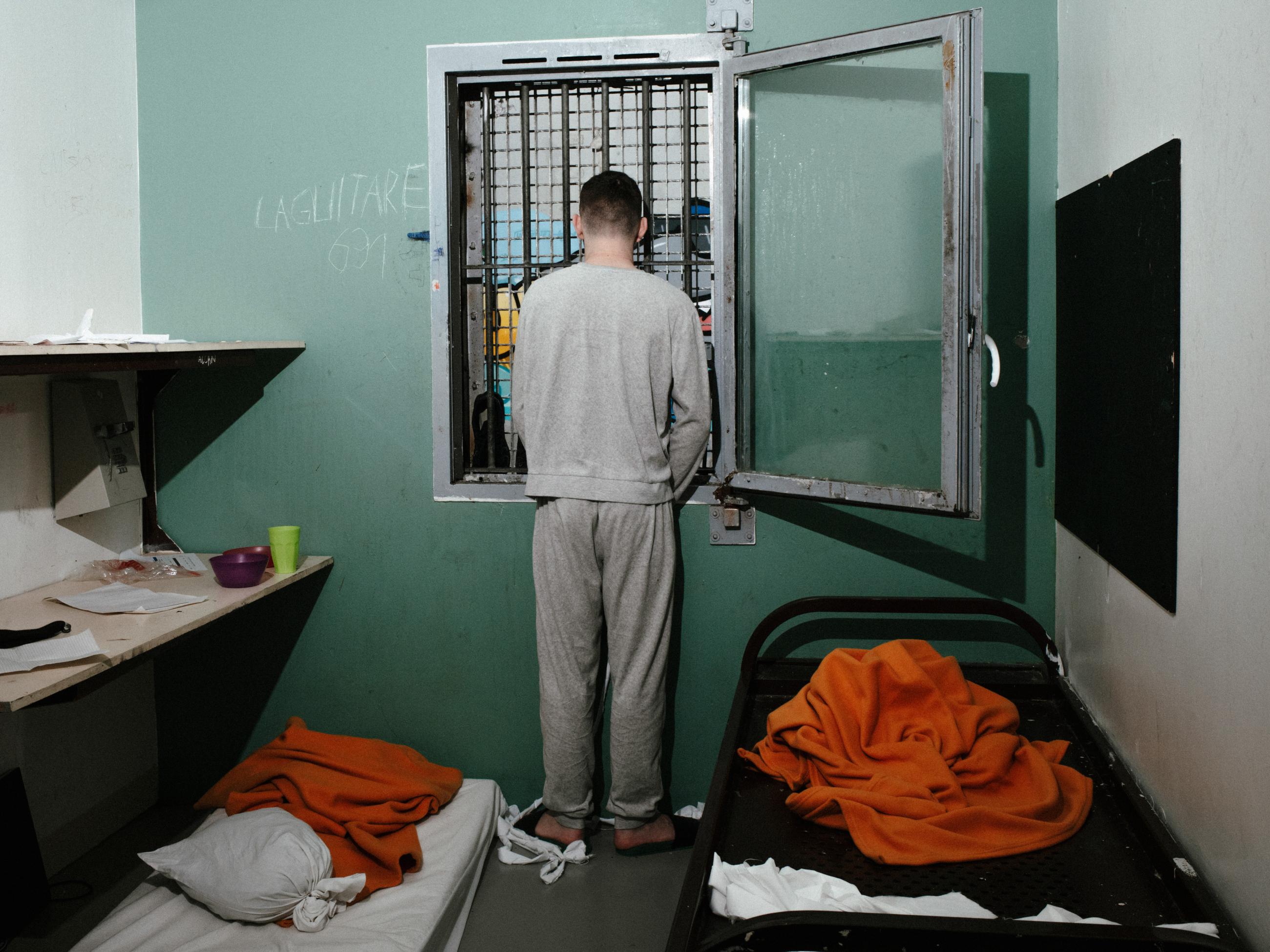
The cells are delicate spaces to photograph, as they are simultaneously impersonal and intimate. Once inside, the eye fixates on the few elements that make up the space: a window, bars, a simple bed, a plank serving as a desk, and sometimes a book or a few drawings.
© Alexandre Bagdassarian, France, 3rd Place, Professional Competition, Documentary Projects, 2026 Sony World Photography Awards
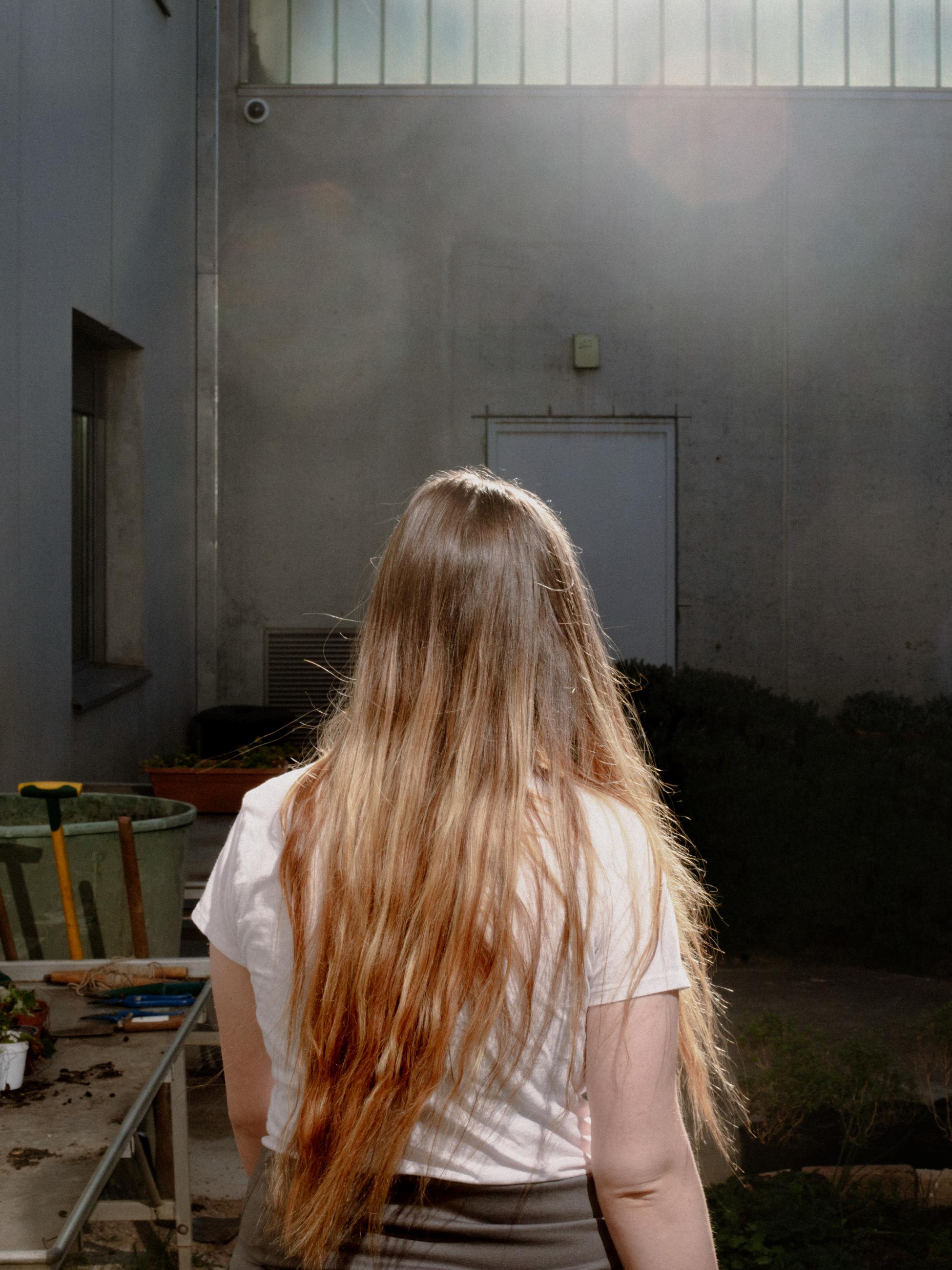
‘I was angry. I kept telling myself: “It’s not me, I didn’t do that…” I don’t show that I’m sad, so I hide in my sadness. I also don’t talk about it with the other girls, to protect myself. Girls are like that: the slightest argument, and the whole prison knows. Being a girl in detention is not easy.’
© Alexandre Bagdassarian, France, 3rd Place, Professional Competition, Documentary Projects, 2026 Sony World Photography Awards
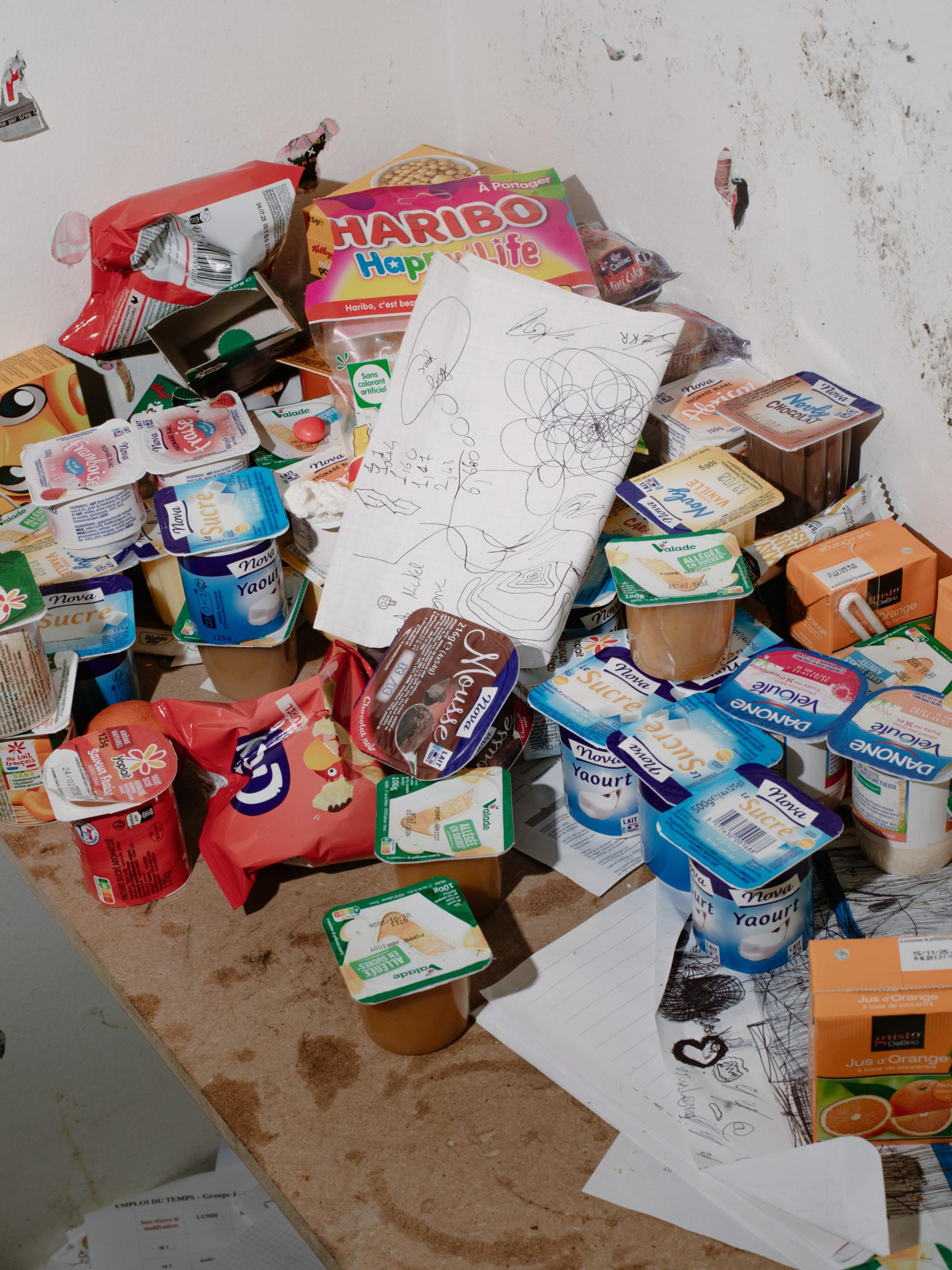
Yoghurt and apple sauce cups pile up in a cell. Recently arrived, this detainee kept them for a while to count the days since his incarceration: one yoghurt per day.
© Alexandre Bagdassarian, France, 3rd Place, Professional Competition, Documentary Projects, 2026 Sony World Photography Awards
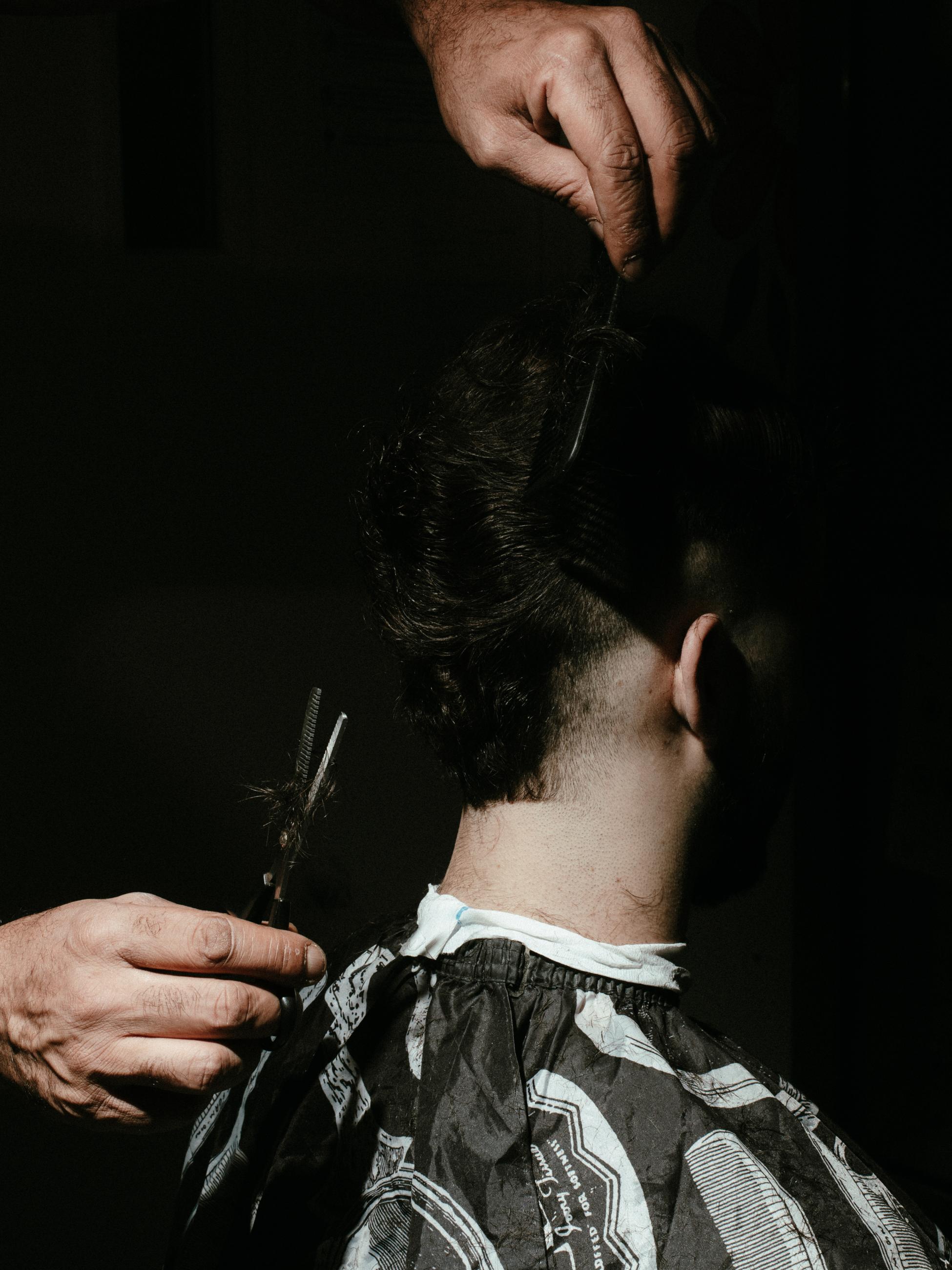
In the common room of a unit, a young person is getting a haircut. The hairdresser, who came from Grenoble, is known on social media for the haircuts he does on streets, in neighbourhoods, youth centres, and elsewhere. The young people trust him, and he knows how to talk to them. The hairstyles are very different from those done by the guards, which are often simpler and more uniform.
© Alexandre Bagdassarian, France, 3rd Place, Professional Competition, Documentary Projects, 2026 Sony World Photography Awards
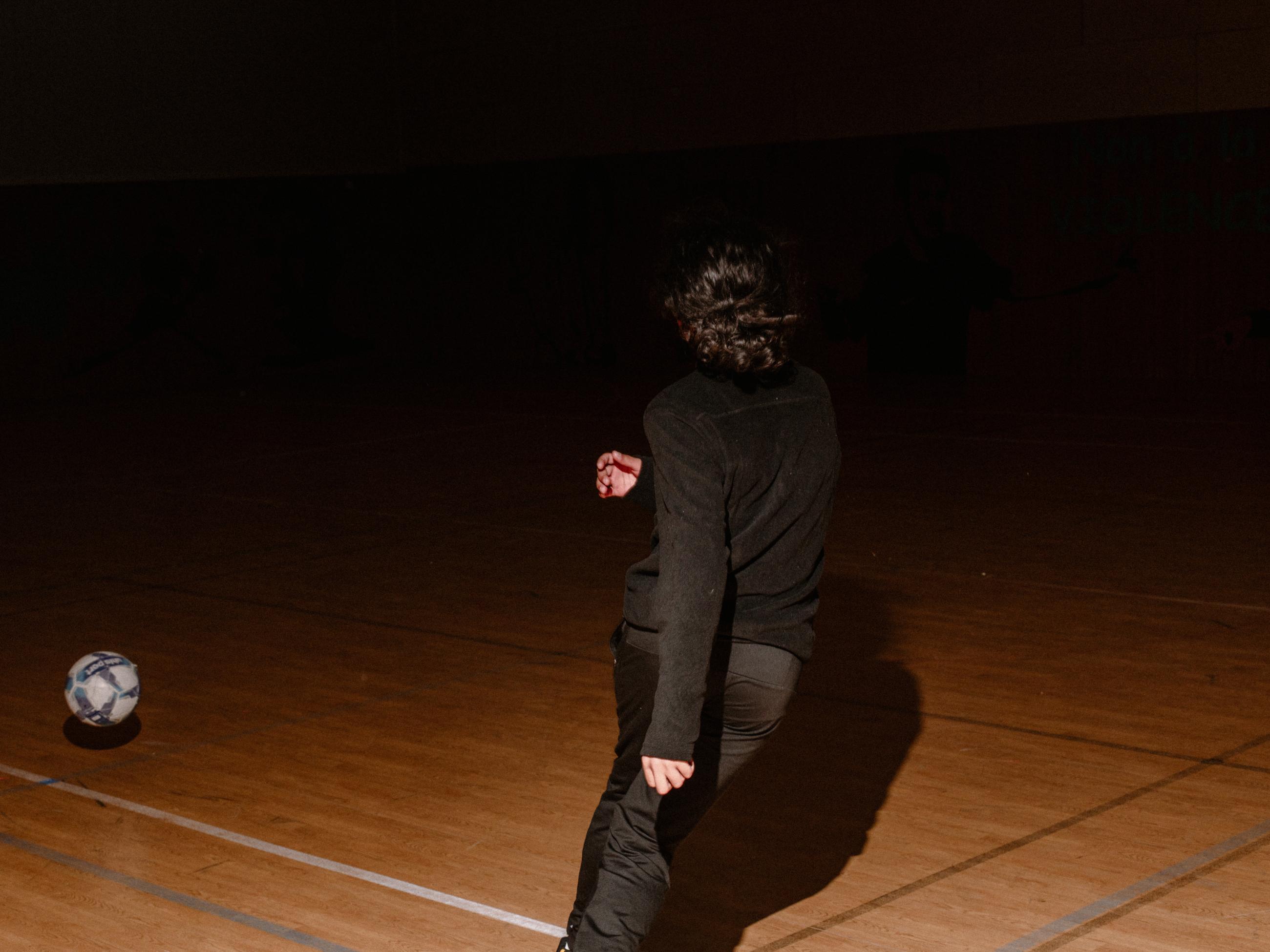
The photographer encountered this young person playing football in the gymnasium. They spoke briefly and the photographer learned that he is an unaccompanied minor. ‘I took an inflatable boat with 18 people on board. I arrived in Spain, then came to France 10 months ago. I’ve been here for almost three months. It’s my first time in prison. I just wanted to play football.’
© Alexandre Bagdassarian, France, 3rd Place, Professional Competition, Documentary Projects, 2026 Sony World Photography Awards
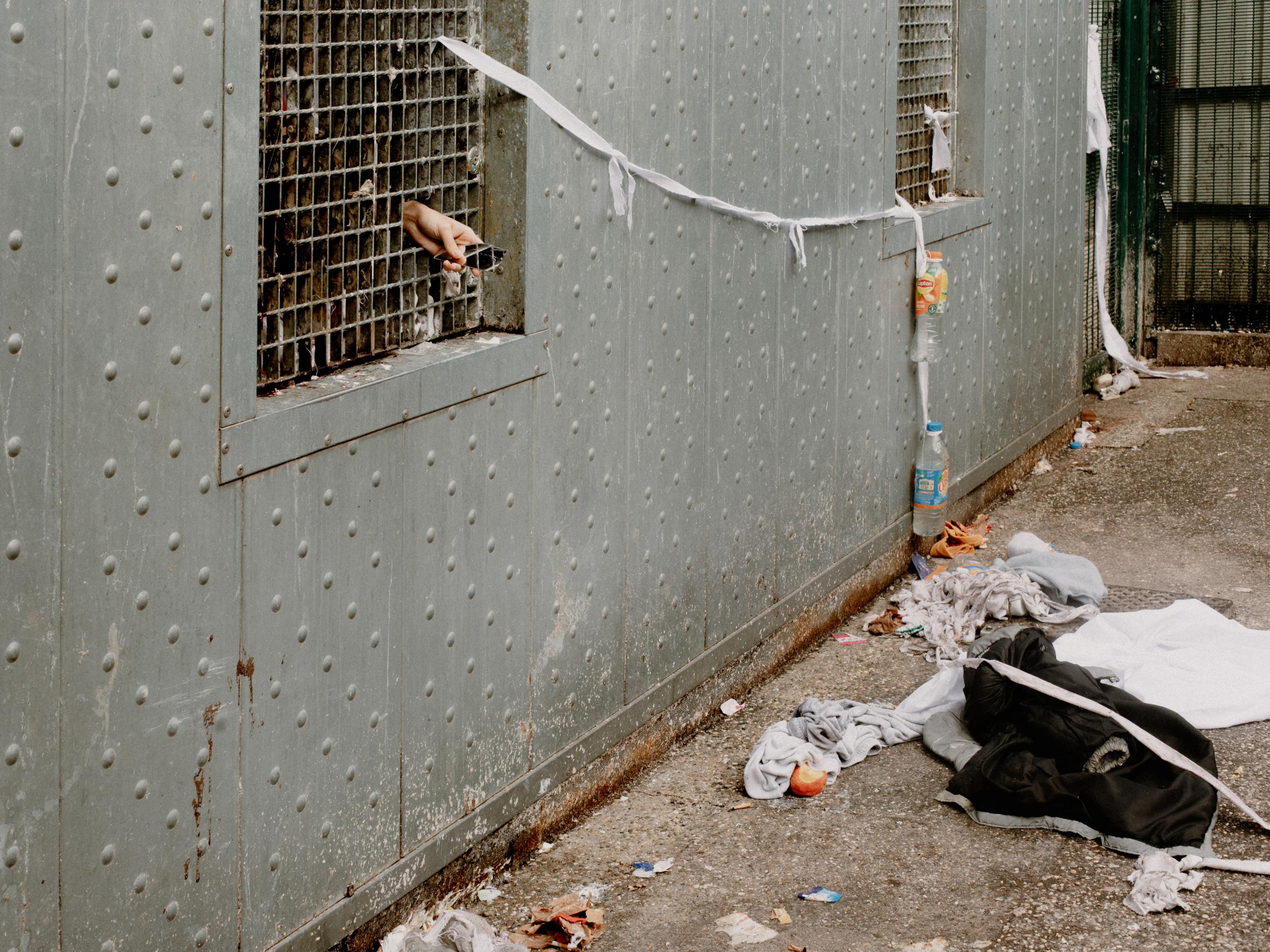
A young person slips his hand between the grates and bars of his cell, using a piece of broken mirror to watch the outdoor yard.
© Alexandre Bagdassarian, France, 3rd Place, Professional Competition, Documentary Projects, 2026 Sony World Photography Awards
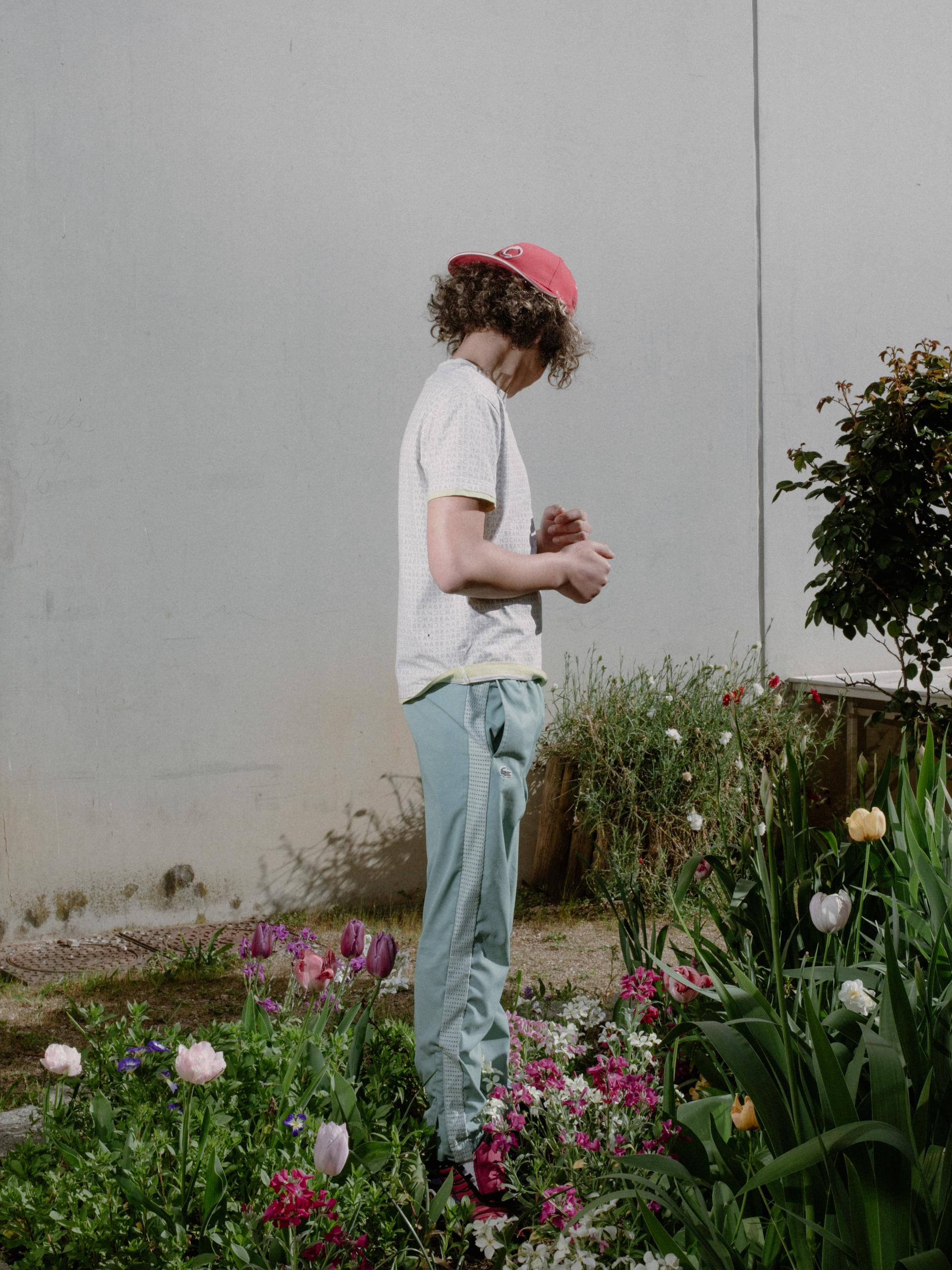
The photograph happened quickly. The flowers, the same colour as the detainee’s sneakers and cap, immediately motivated him to pose. Many young people have experienced a similar scenario:drug dealing, then prison. He tells the photographer his story with ease: ‘I started at 10 o’clock, in a small park, with a bag. Inside, there was really a big package. A lot of money.’
© Alexandre Bagdassarian, France, 3rd Place, Professional Competition, Documentary Projects, 2026 Sony World Photography Awards
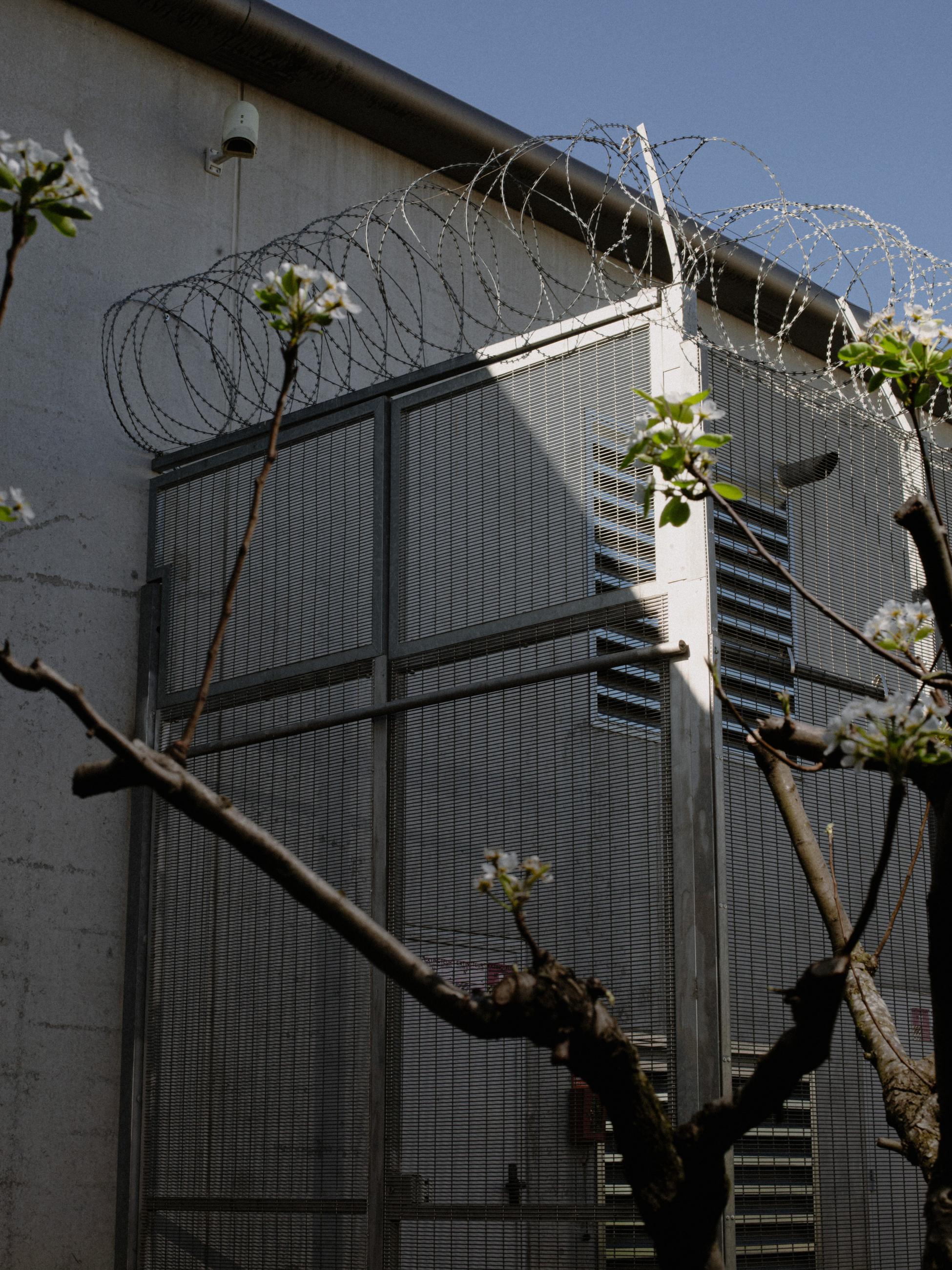
There is an educational garden in this prison. This horticultural project offers a positive perspective on this otherwise closed world, where it is often difficult to look too closely.
© Alexandre Bagdassarian, France, 3rd Place, Professional Competition, Documentary Projects, 2026 Sony World Photography Awards