

Back to Wildlife & Nature
Wildlife & Nature Shortlist
South Sudan's Forgotten Wilderness
Marcus Westberg
Series description
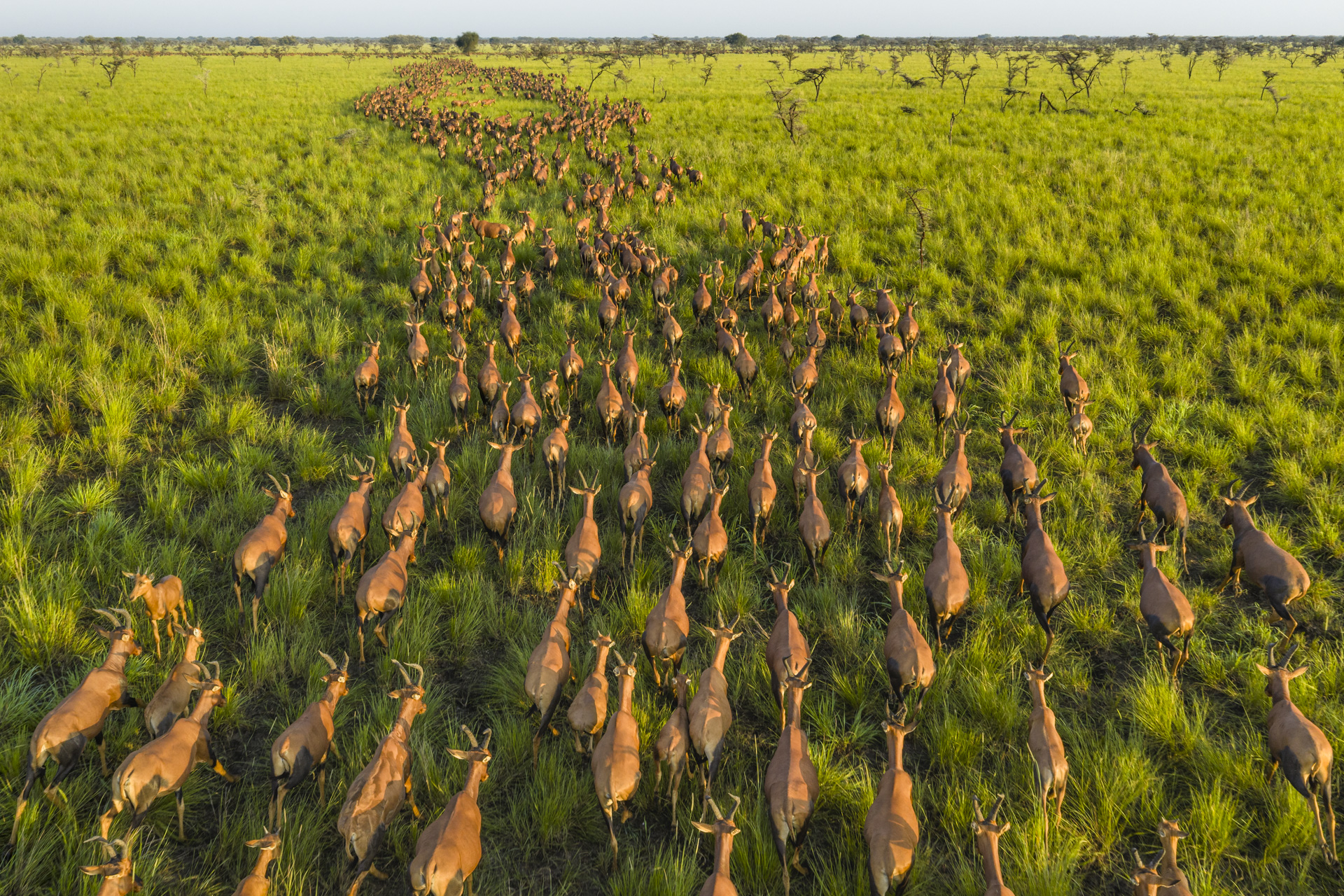
South Sudan is the world’s youngest nation state, born out of decades of civil war. It is also home to a 20-million hectare wilderness area, and the world’s largest terrestrial migration: the Great Nile Migration. Each year, up to six-million antelope move across this vast landscape, which is populated primarily by semi-nomadic pastoralists. With no road infrastructure, all of the photographs in this series were taken from the air, either from helicopters, aeroplanes or with a drone.
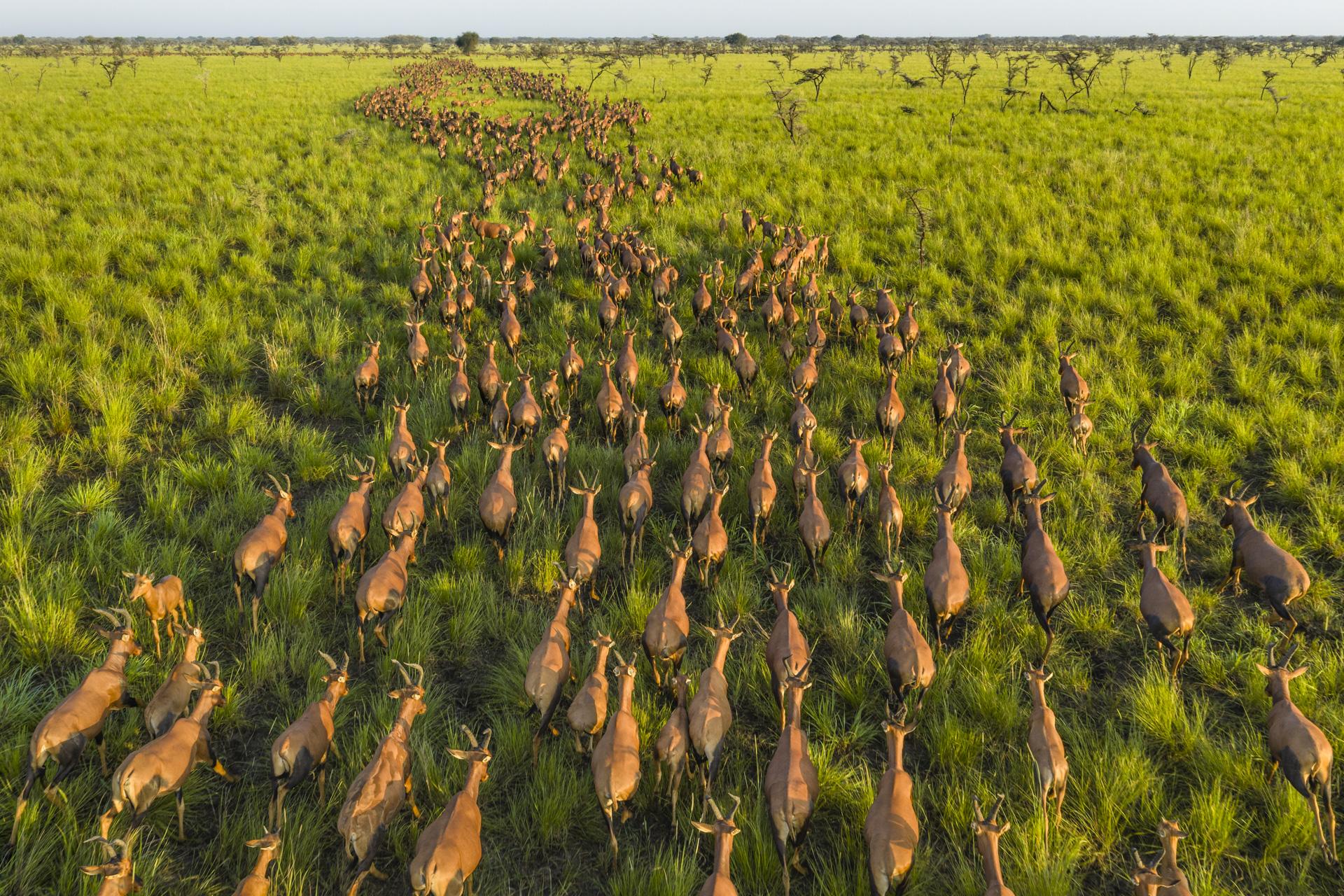
Part of the Great Nile Migration, half a million tiang (Damaliscus lunatus tiang) move across the vast landscape of South Sudan in tightly packed herds, following the availability of water and fresh grass.
© Marcus Westberg, Portugal, Shortlist, Professional Competition, Wildlife & Nature, 2026 Sony World Photography Awards
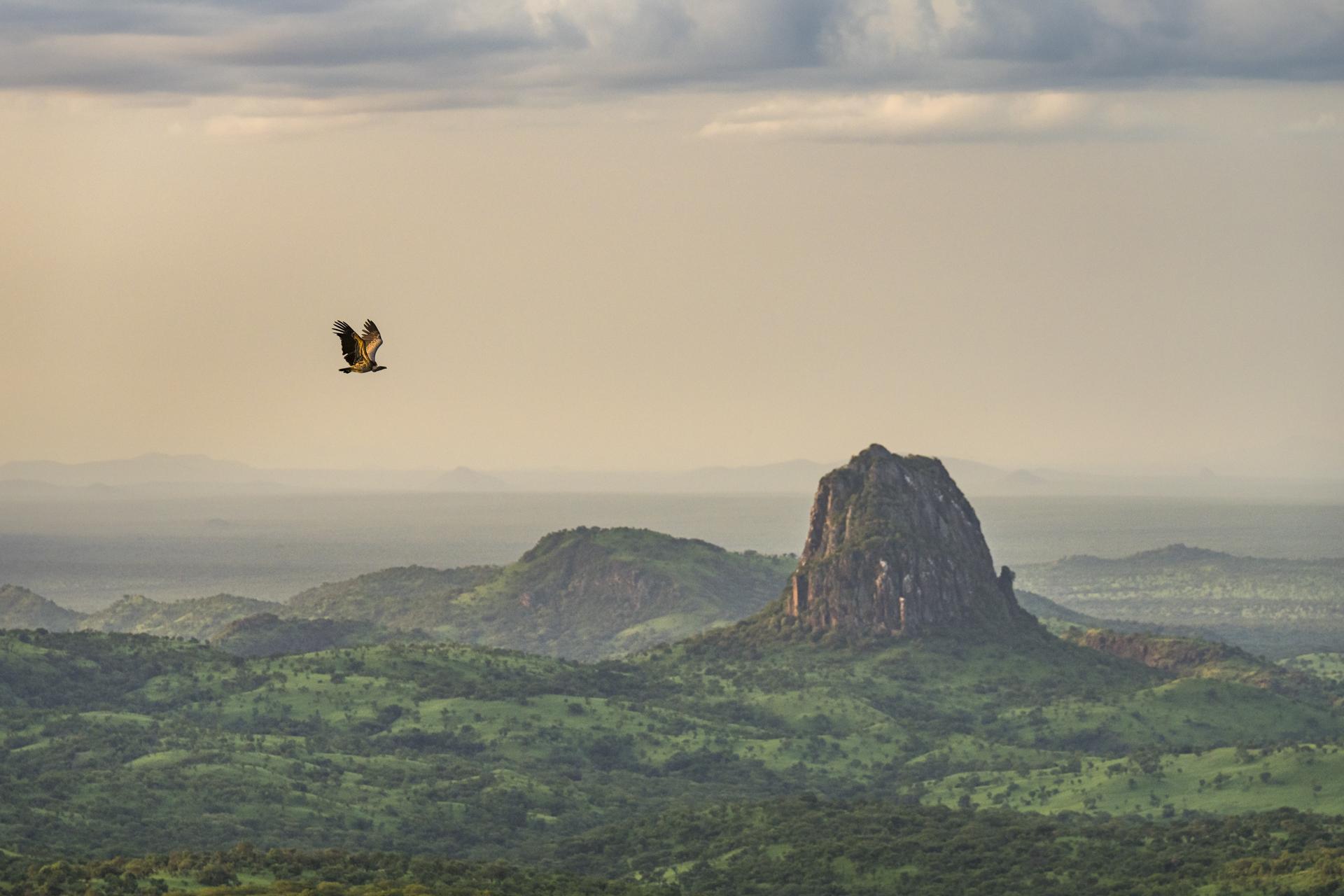
Boma National Park is home to several vulture species, including the critically endangered Rüppell's vulture (Gyps rueppelli). Hundreds of pairs of these birds roost on the rocky outcrops in the southeastern part of Sudan.
© Marcus Westberg, Portugal, Shortlist, Professional Competition, Wildlife & Nature, 2026 Sony World Photography Awards
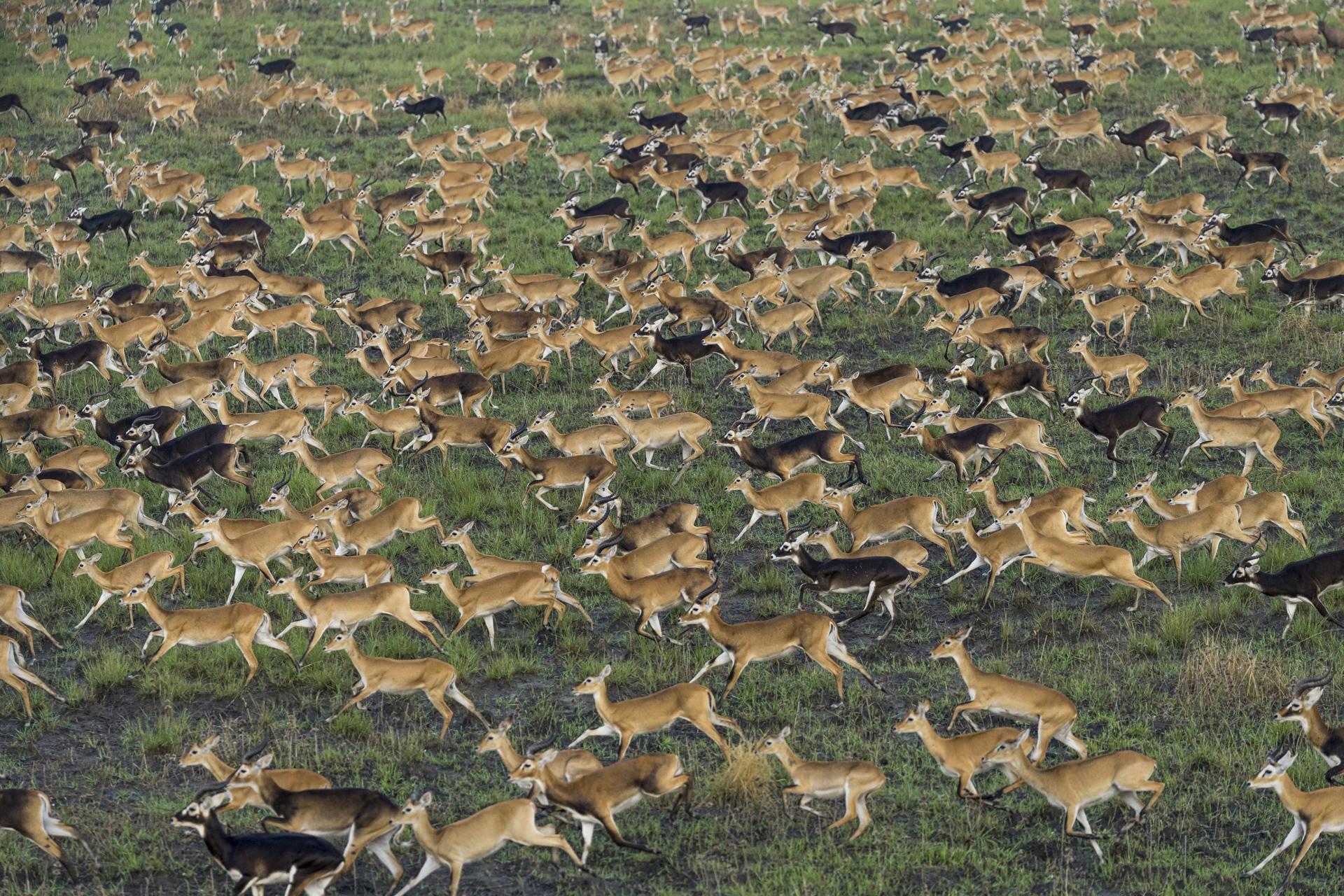
The most numerous species in the Great Nile Migration is the white-eared kob (Kobus kob leucotis). Several million of these antelope move across the landscape in search of water and fresh grass.
© Marcus Westberg, Portugal, Shortlist, Professional Competition, Wildlife & Nature, 2026 Sony World Photography Awards
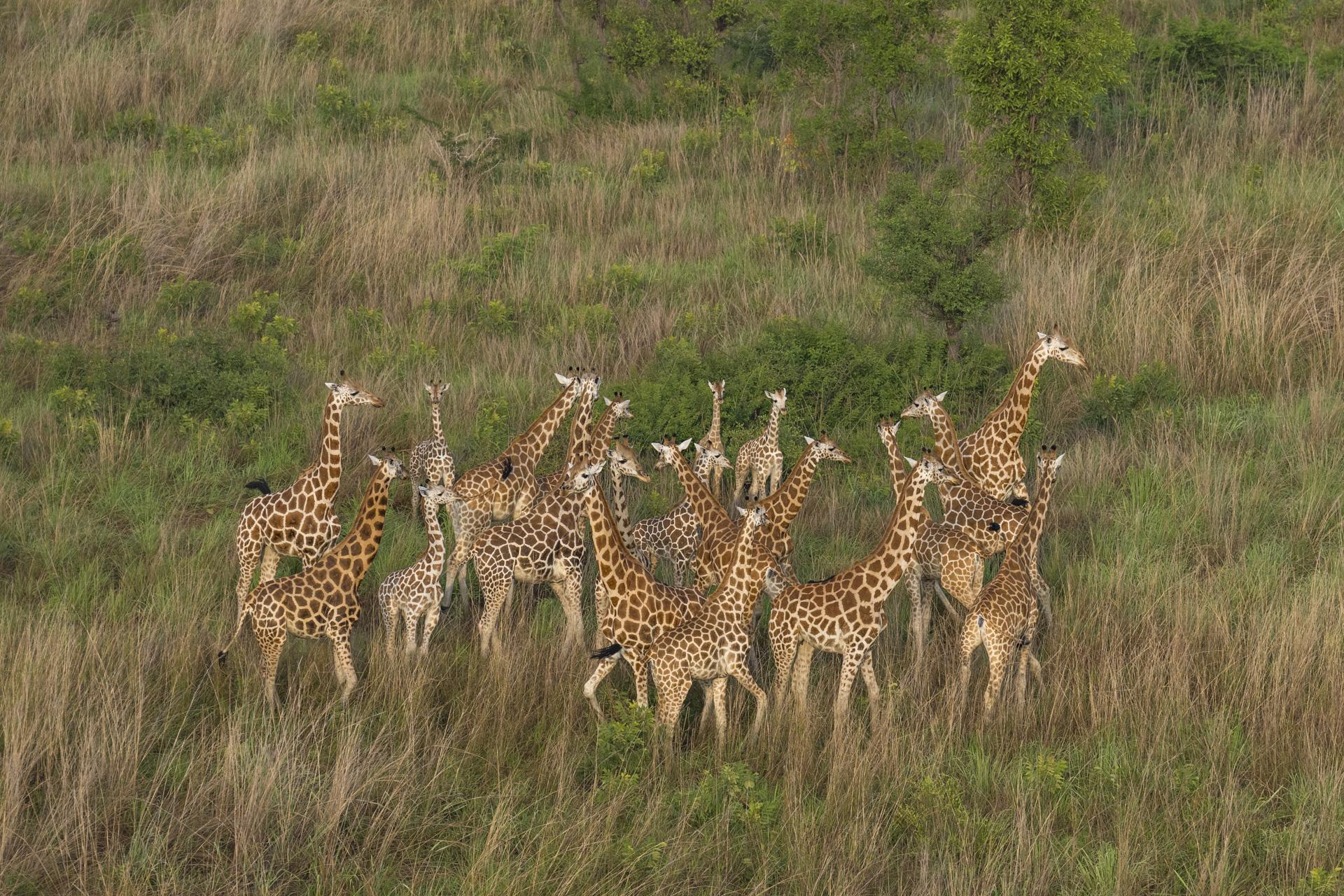
In addition to migratory species, South Sudan is also home to important pockets of non-migratory wildlife. A recent survey identified 405 individual Nubian giraffes (Giraffa camelopardalis camelopardalis), a critically endangered northern giraffe sub-species, in the Boma–Badingilo ecosystem.
© Marcus Westberg, Portugal, Shortlist, Professional Competition, Wildlife & Nature, 2026 Sony World Photography Awards
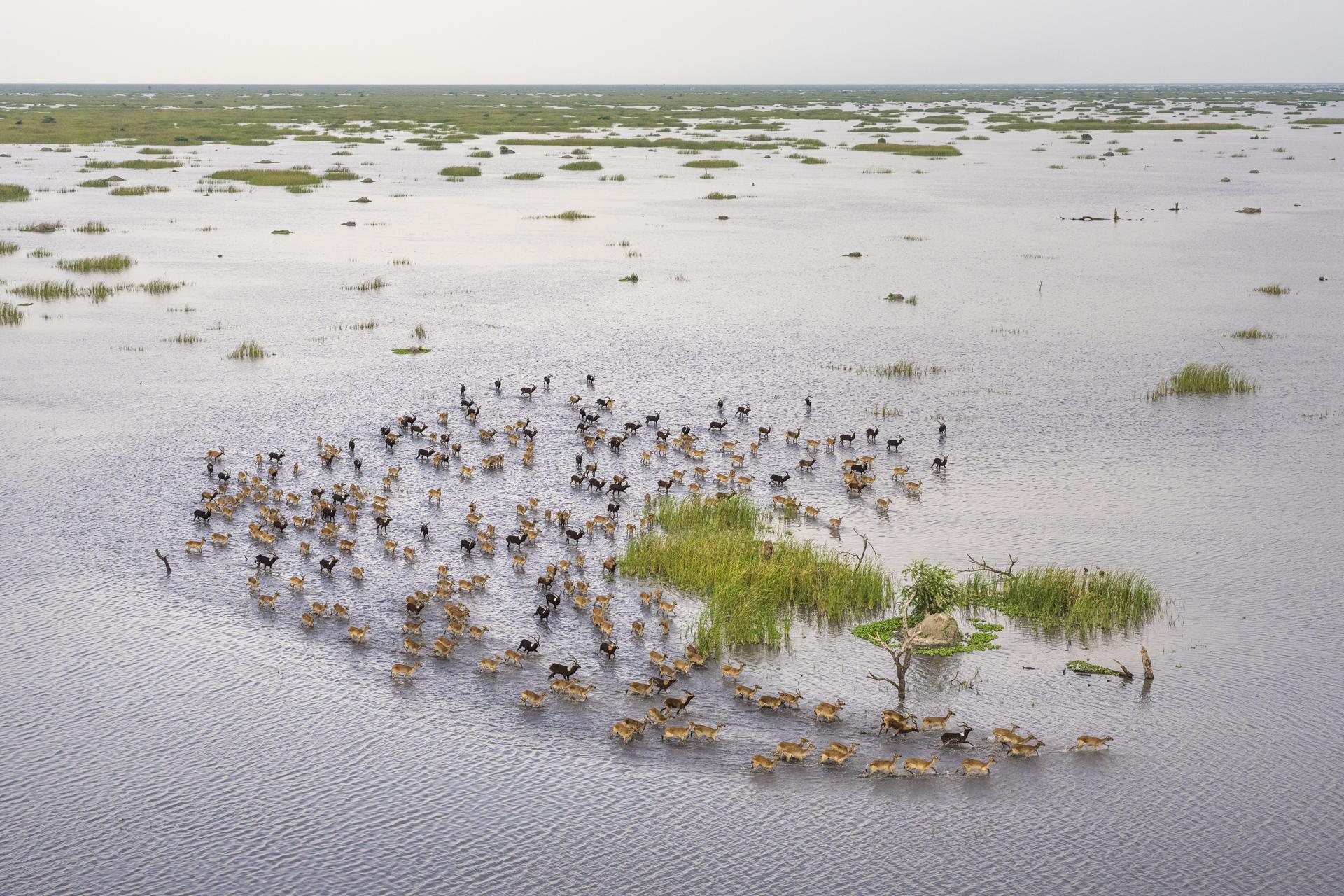
The wetlands of Jonglei State, north of Boma and Badingilo national parks, is home to some of the largest remaining herds of the endangered Nile lechwe (Kobus megaceros) in Africa, as well as elephants, giraffes and iconic birds such as shoebill storks and pelicans.
© Marcus Westberg, Portugal, Shortlist, Professional Competition, Wildlife & Nature, 2026 Sony World Photography Awards
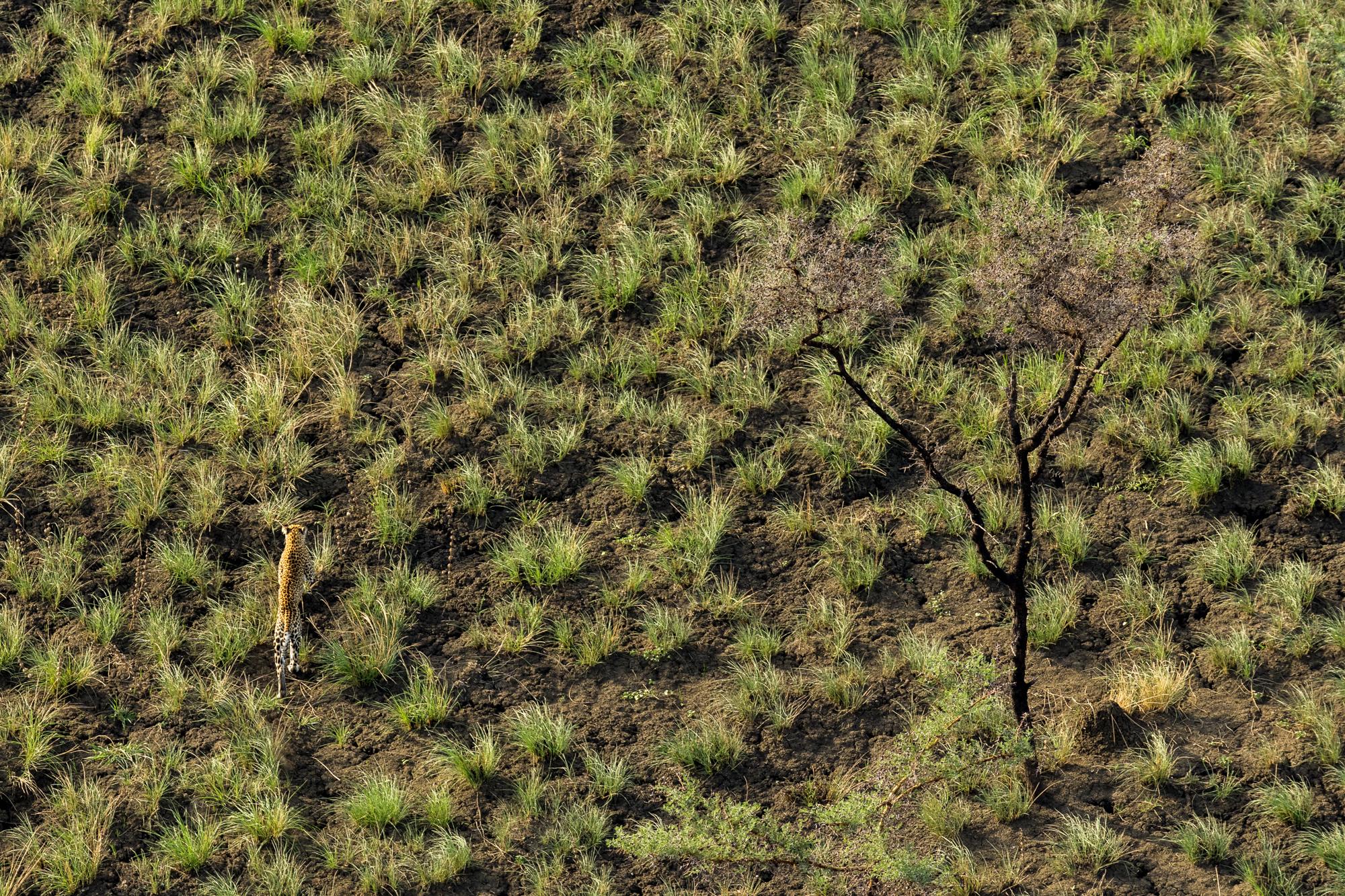
Although their numbers are not as high as they once were, South Sudan is home to numerous predator species, including lions, African wild dogs, spotted hyenas and cheetahs. Here, a lone leopard runs from one group of trees to another, in search of prey on the plains of Badingilo National Park.
© Marcus Westberg, Portugal, Shortlist, Professional Competition, Wildlife & Nature, 2026 Sony World Photography Awards
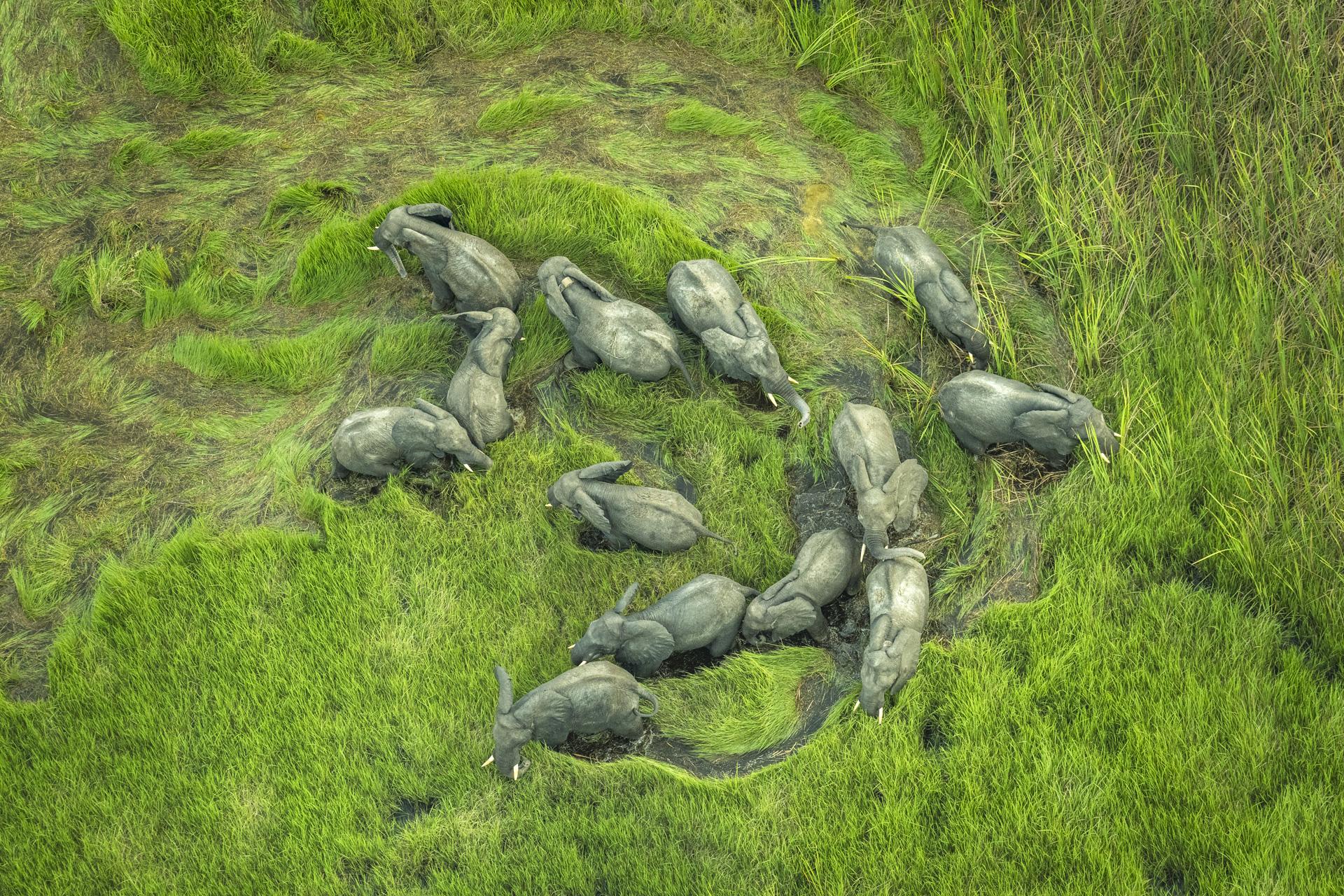
The African savanna elephant (Loxodonta africana) population is a fraction of what it once was — only a few thousand remain, including this herd of 13 individuals in the wetlands of Jonglei State.
© Marcus Westberg, Portugal, Shortlist, Professional Competition, Wildlife & Nature, 2026 Sony World Photography Awards
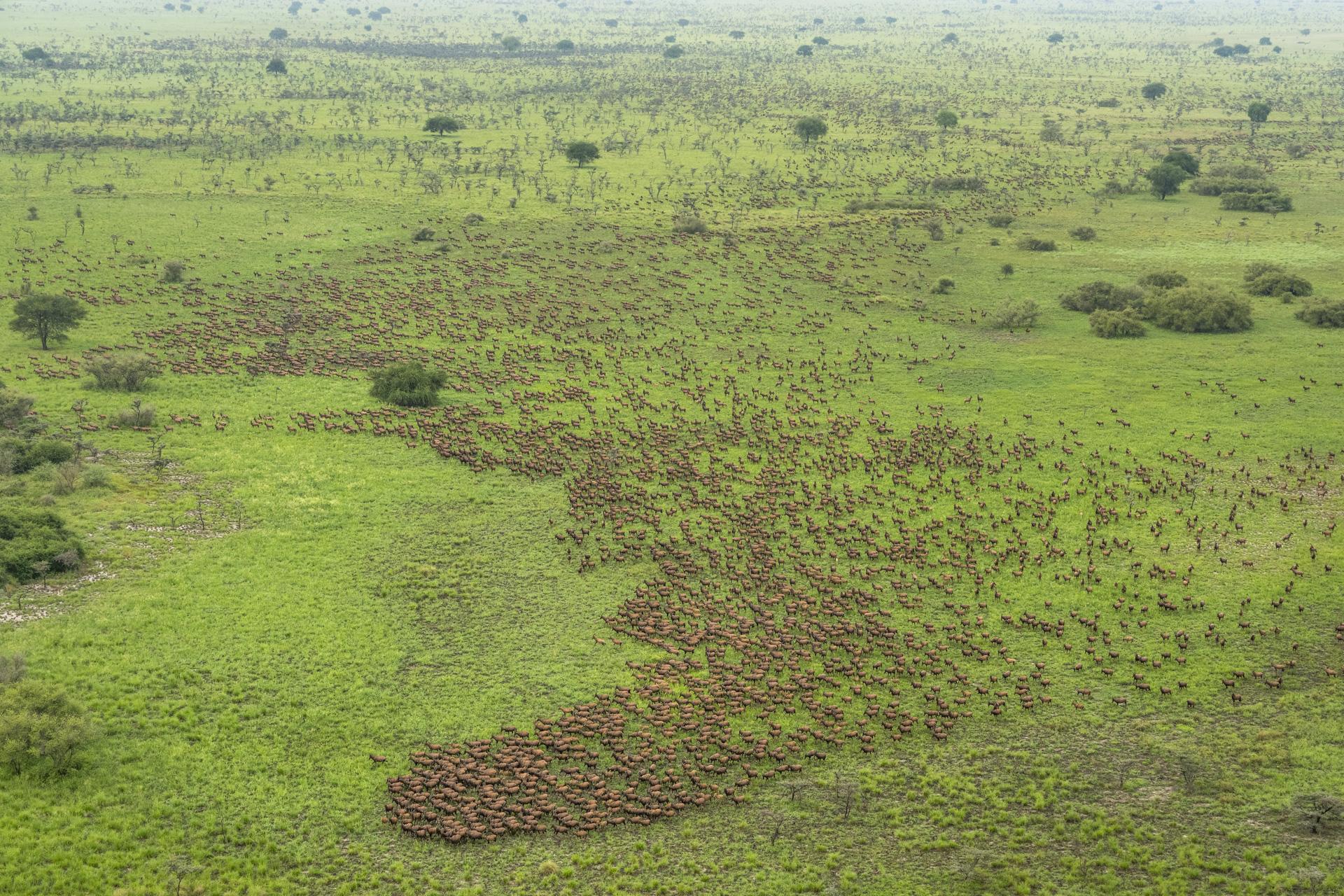
The sight that has come to symbolise the Great Nile Migration is that of tiang antelope (Damaliscus lunatus tiang) moving across this vast wilderness in vast, tightly packed herds.
© Marcus Westberg, Portugal, Shortlist, Professional Competition, Wildlife & Nature, 2026 Sony World Photography Awards