

Series description
In the southern Colombian department of Putumayo, coca cultivation remains one of the few economic options for rural families in this neglected border region. This project follows farmers and families whose livelihoods depend on an illicit economy shaped by poverty, weak state presence, and armed control, as well as members of Comandos de la Frontera, the armed group that controls the territory and the cocaine trade. While some families try legal alternatives, coca often provides the only stable income. Under the Shadow of Coca shows that many of the local producers are not traffickers, but campesinos (farmers), and that it is usually armed groups who profit from the trade of coca.
Biography
Santiago Mesa is a Colombian documentary photographer whose work focuses on social issues. His work has received numerous awards, including the Sony World Photography Awards 2020, Picture of the Year International 2024 and World Press Photo Awards 2025.
Untitled
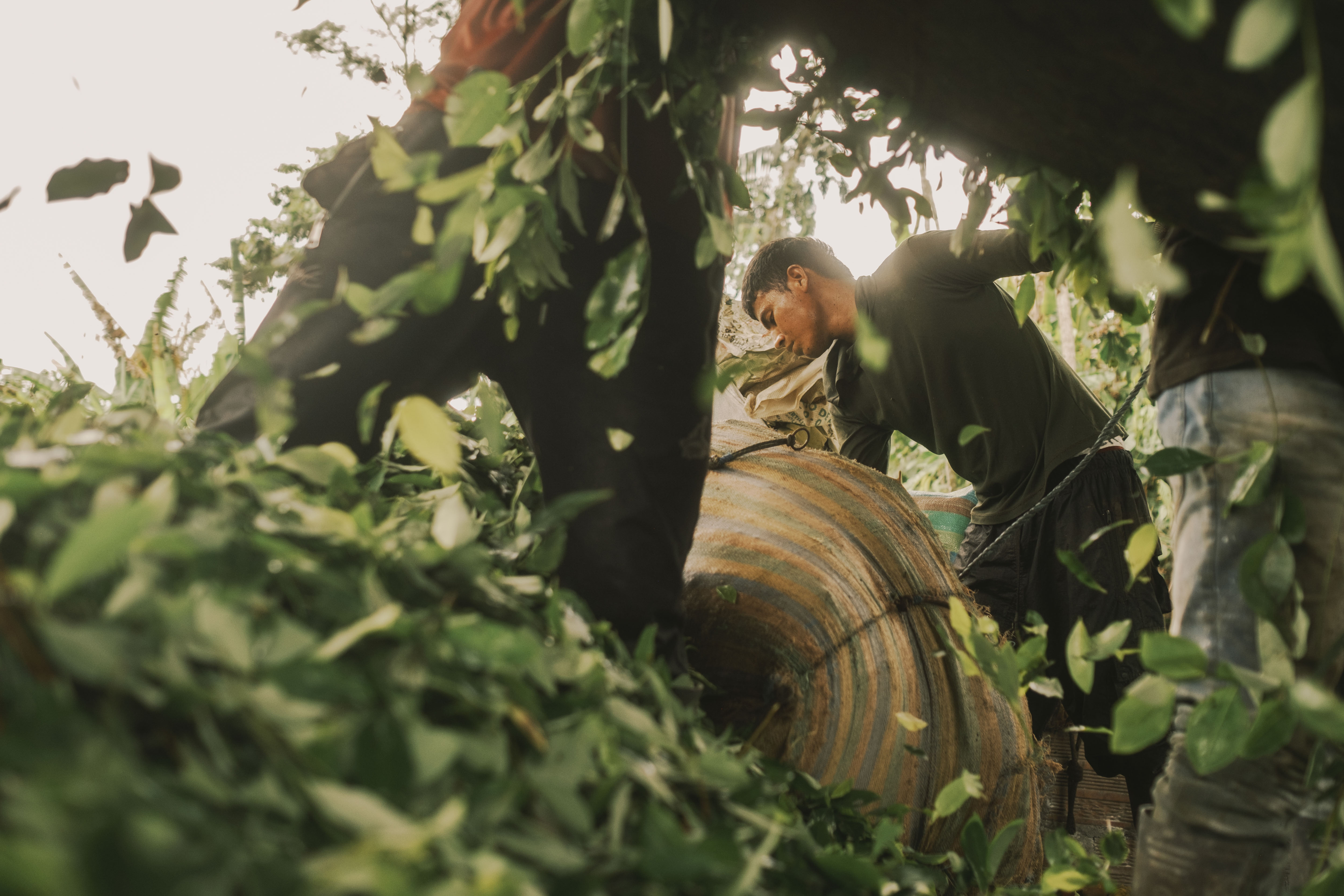
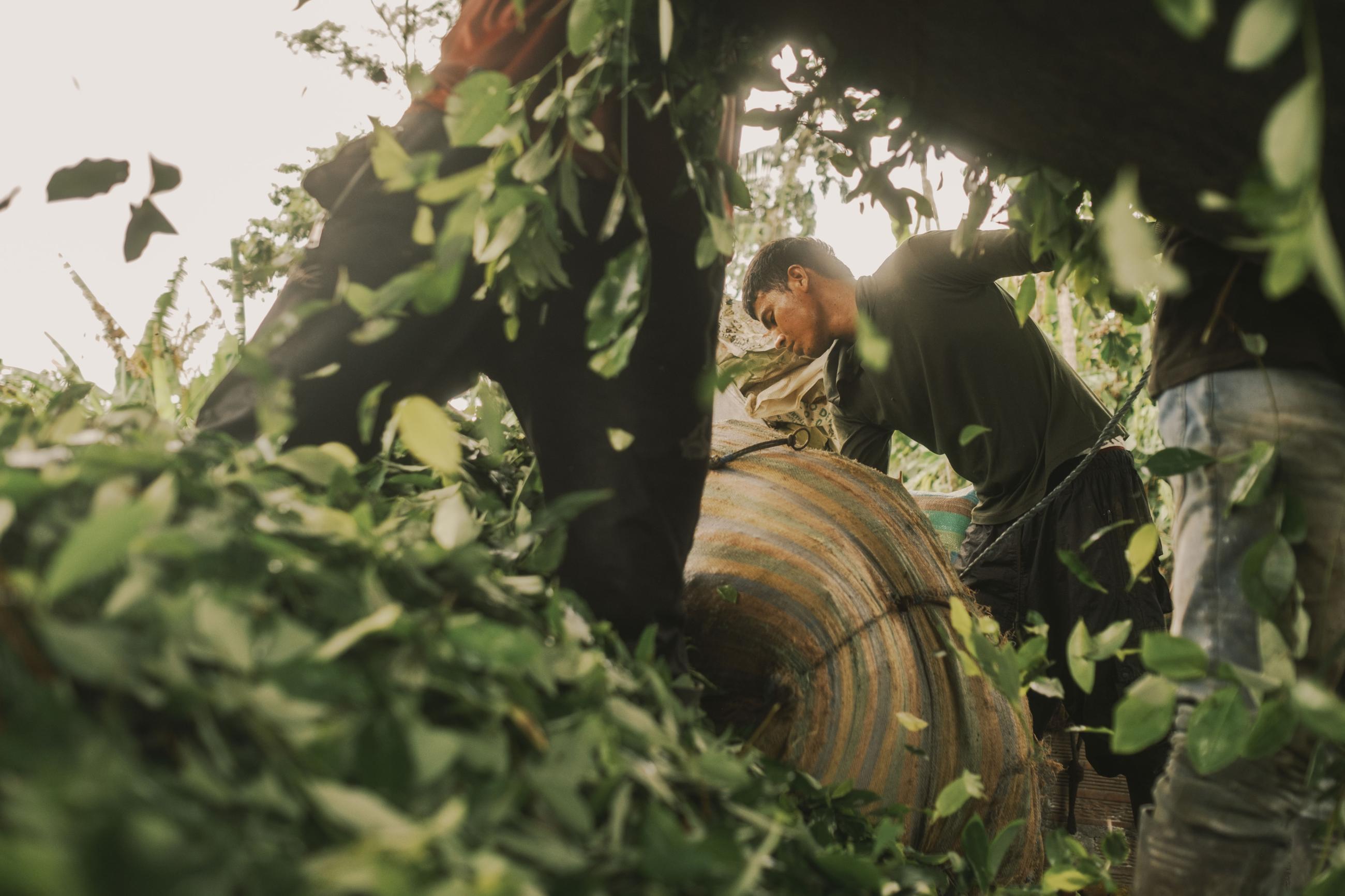
Pío, a young coca leaf picker (raspachín), unloads the leaves he harvested earlier in the day at a coca-processing site in Putumayo, Colombia. Raspachínes are hired for physically demanding shifts that usually last half a day. Paid in cash, and with work consistently available, coca harvesting remains one of the few reliable income options in the region.
© Santiago Mesa, Colombia, 1st Place, Professional Competition, Documentary Projects, 2026 Sony World Photography Awards
Untitled
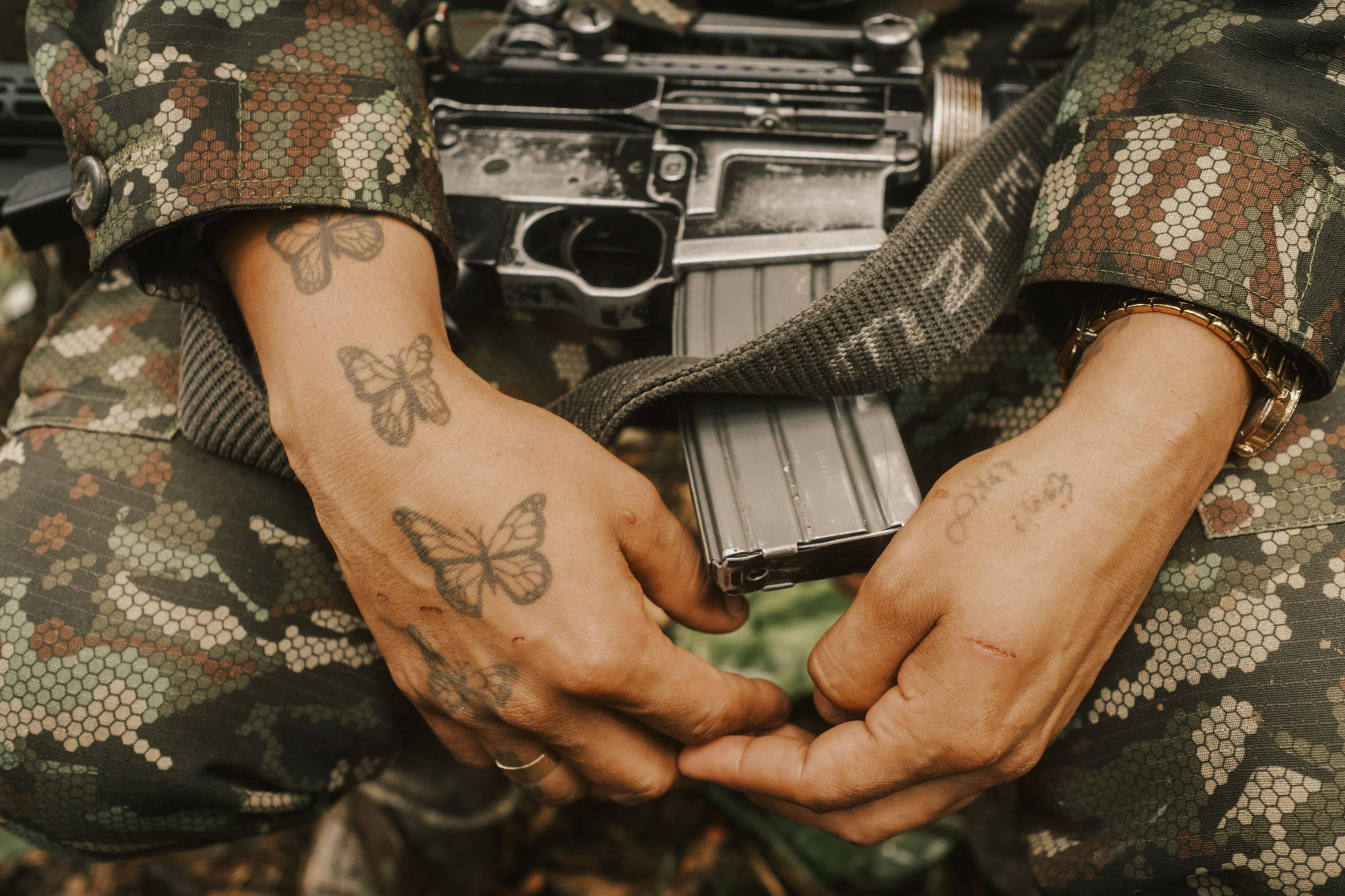
Katherine has been a member of the armed group Comandos de la Frontera for three years. She joined after failing to find stable, legal work and now earns around two million Colombian pesos per month. The group exercises de facto control over much of Putumayo, enforcing its authority through fear, extortion, and the regulation of daily life.
© Santiago Mesa, Colombia, 1st Place, Professional Competition, Documentary Projects, 2026 Sony World Photography Awards
Untitled
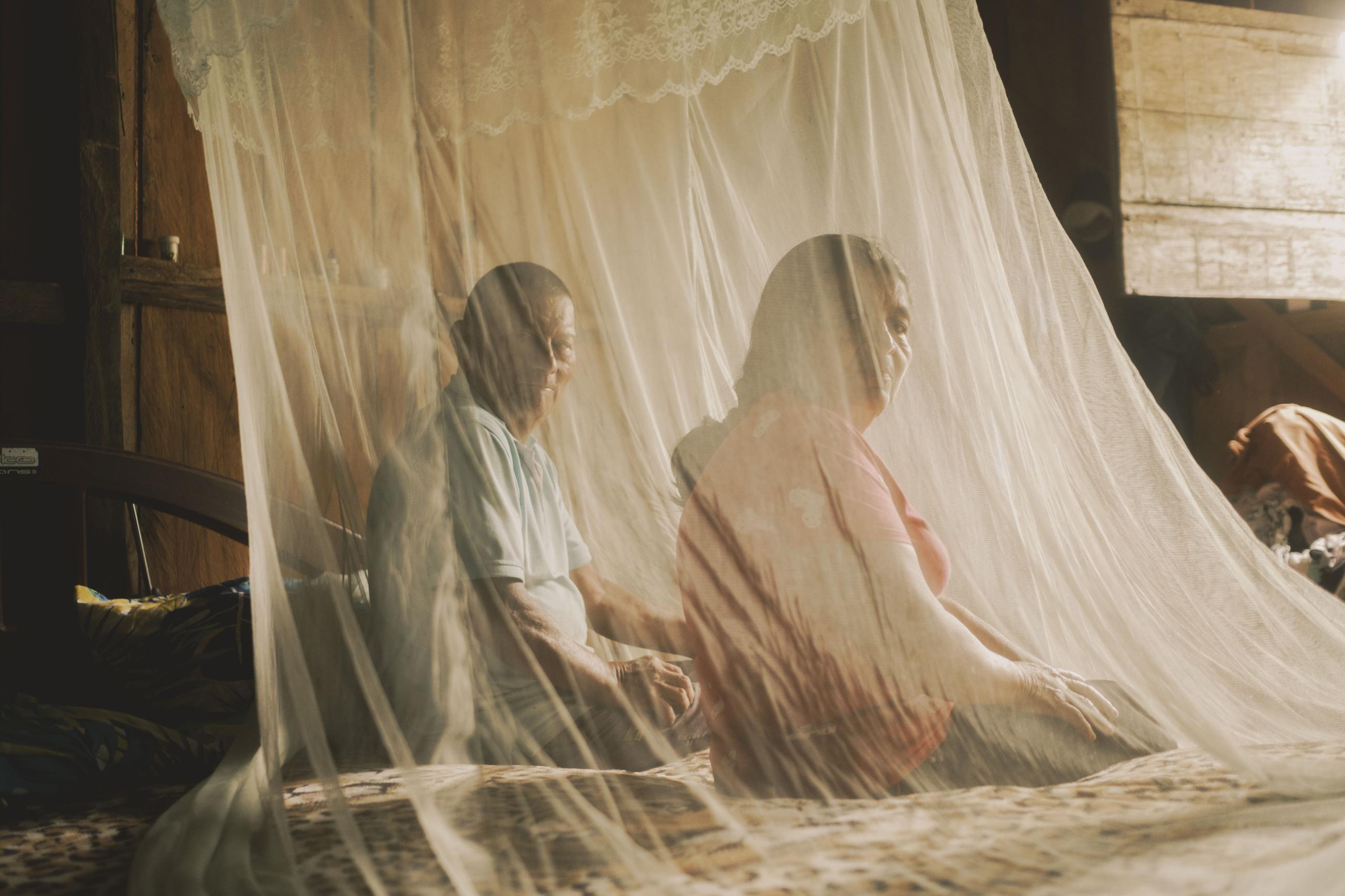
Gerardo and Marta are farmers who have joined a coca crop substitution programme in Putumayo. They are currently growing cacao, raising pigs, and participating in a fish-farming project, while gradually eradicating the remaining coca plants on their land.
© Santiago Mesa, Colombia, 1st Place, Professional Competition, Documentary Projects, 2026 Sony World Photography Awards
Untitled
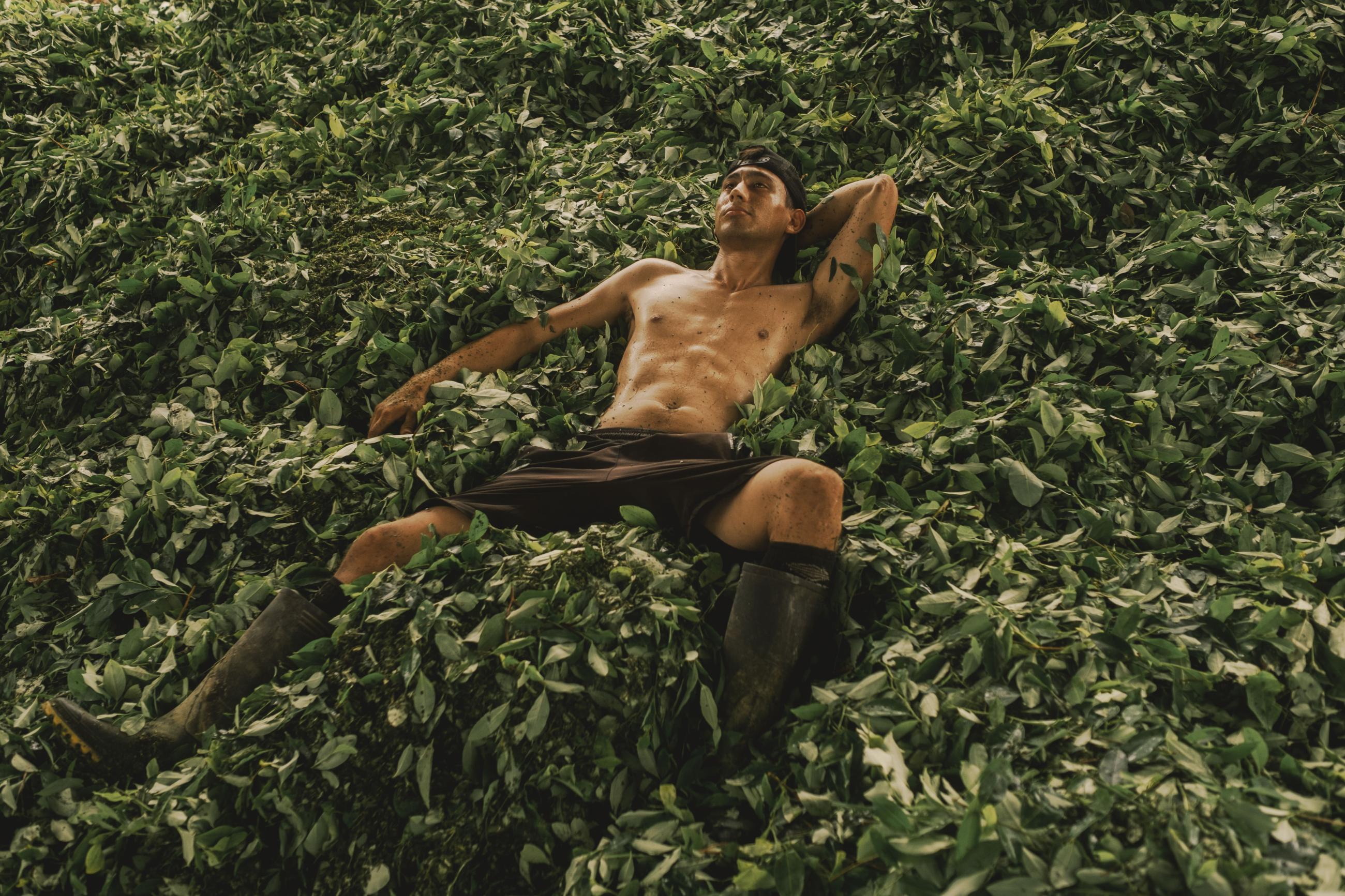
Darwin, a young Venezuelan coca leaf picker (raspachín), rests on freshly harvested coca leaves in Putumayo, Colombia, before they are processed. The raspachíne’s work is physically demanding, but the shifts are usually only half a day and are paid in cash. For many migrants, coca harvesting is one of the few reliable sources of income.
© Santiago Mesa, Colombia, 1st Place, Professional Competition, Documentary Projects, 2026 Sony World Photography Awards
Untitled
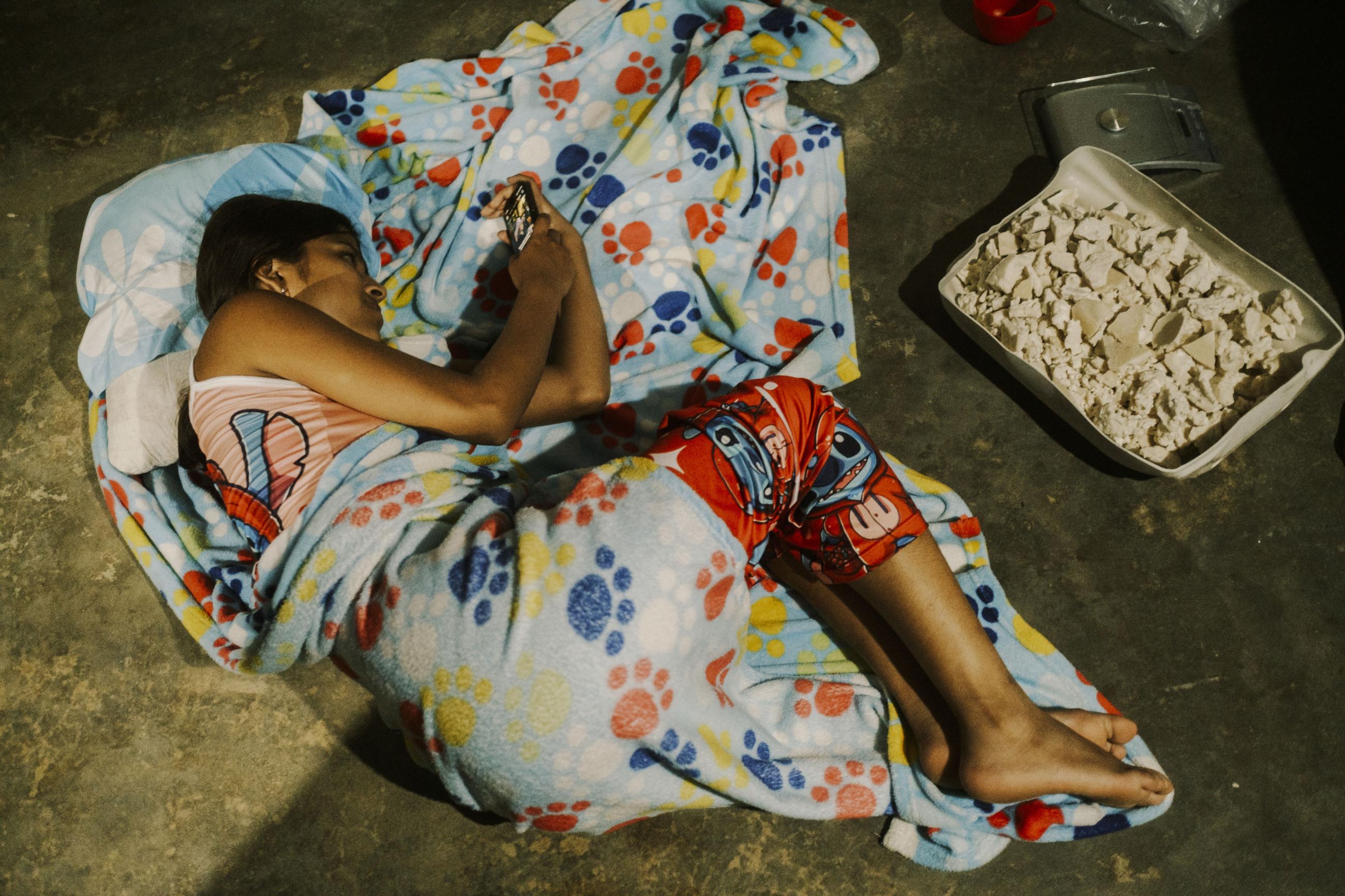
Nayeli Portillo rests at home in rural Putumayo after her father finishes producing coca base paste. Her family depends on processing coca leaves, which are sold under the control of Comandos de la Frontera. The income barely sustains the household, and when she is not in school, Nayeli sometimes helps harvest coca leaves.
© Santiago Mesa, Colombia, 1st Place, Professional Competition, Documentary Projects, 2026 Sony World Photography Awards
Untitled
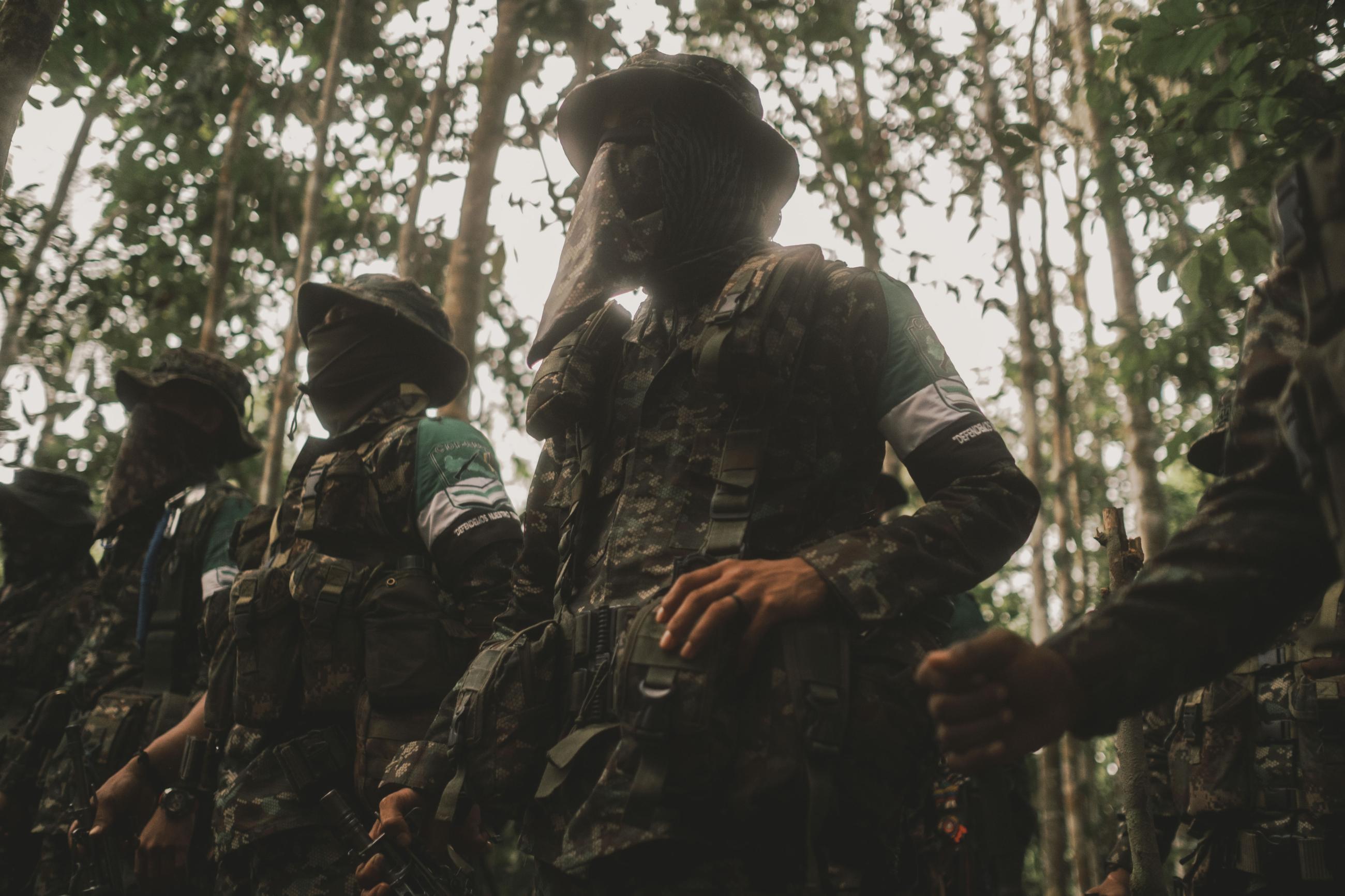
Formation of a mobile unit of the Comandos de la Frontera. The group usually holds three daily formations to share updates and organise guard shifts in the Amazon rainforest of Putumayo. The armed group controls large parts of the region, regulating labour and coca production.
© Santiago Mesa, Colombia, 1st Place, Professional Competition, Documentary Projects, 2026 Sony World Photography Awards
Untitled
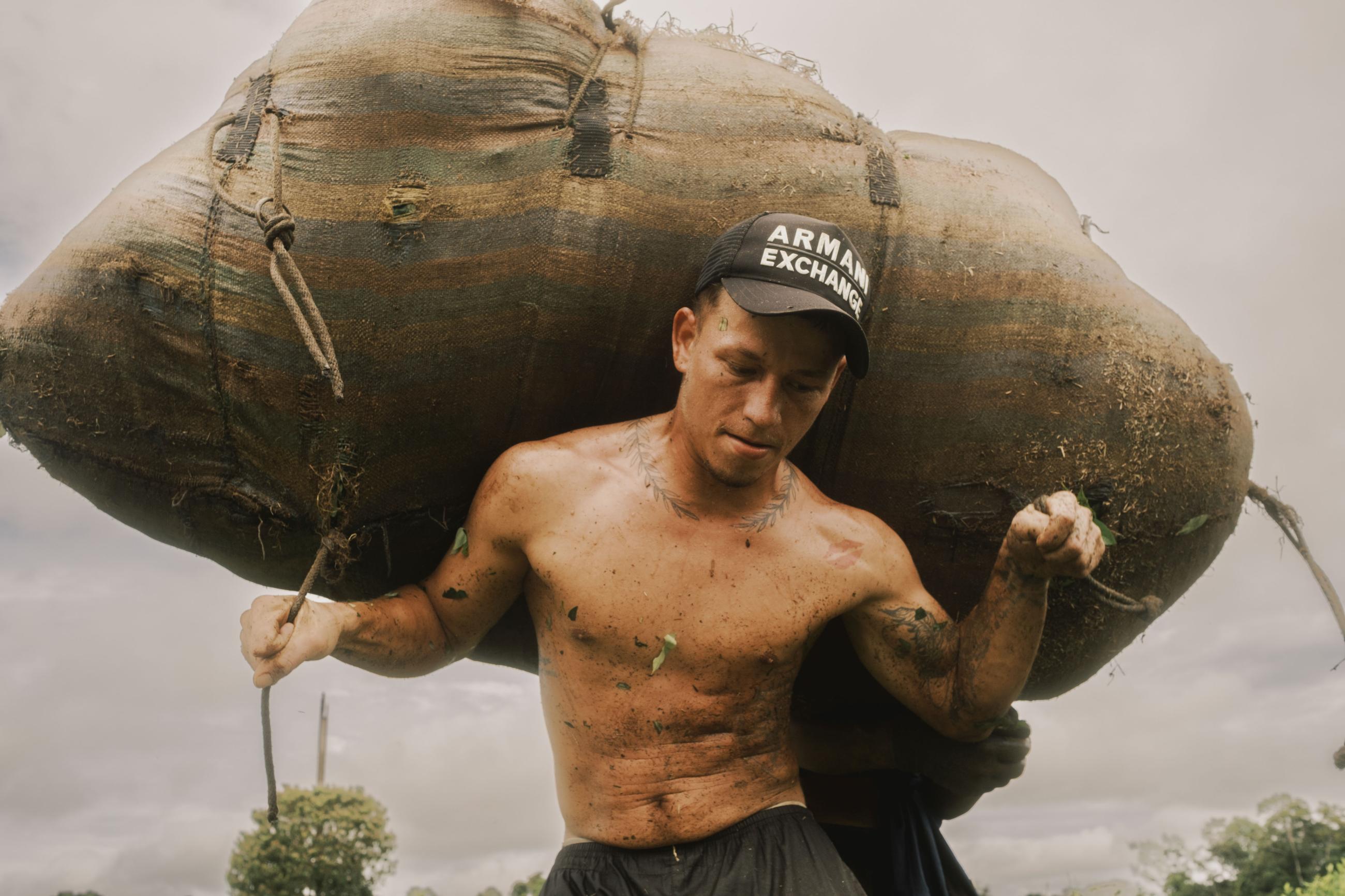
Daniel, a young coca leaf picker (raspachín), carries a sack of coca leaves harvested earlier in the day in Putumayo, Colombia. Raspachínes are paid in cash and work is consistently available, making coca harvesting one of the region’s few reliable sources of income.
© Santiago Mesa, Colombia, 1st Place, Professional Competition, Documentary Projects, 2026 Sony World Photography Awards

Untitled
Royman Portillo conducts a final quality test by melting coca base paste and applying a colorimetric reagent inside his home in the rural area of Putumayo, Colombia. This method is used to determine purity by colour.
© Santiago Mesa, Colombia, 1st Place, Professional Competition, Documentary Projects, 2026 Sony World Photography Awards