After the Award: Scott Wilson on Turning a Win into a Platform

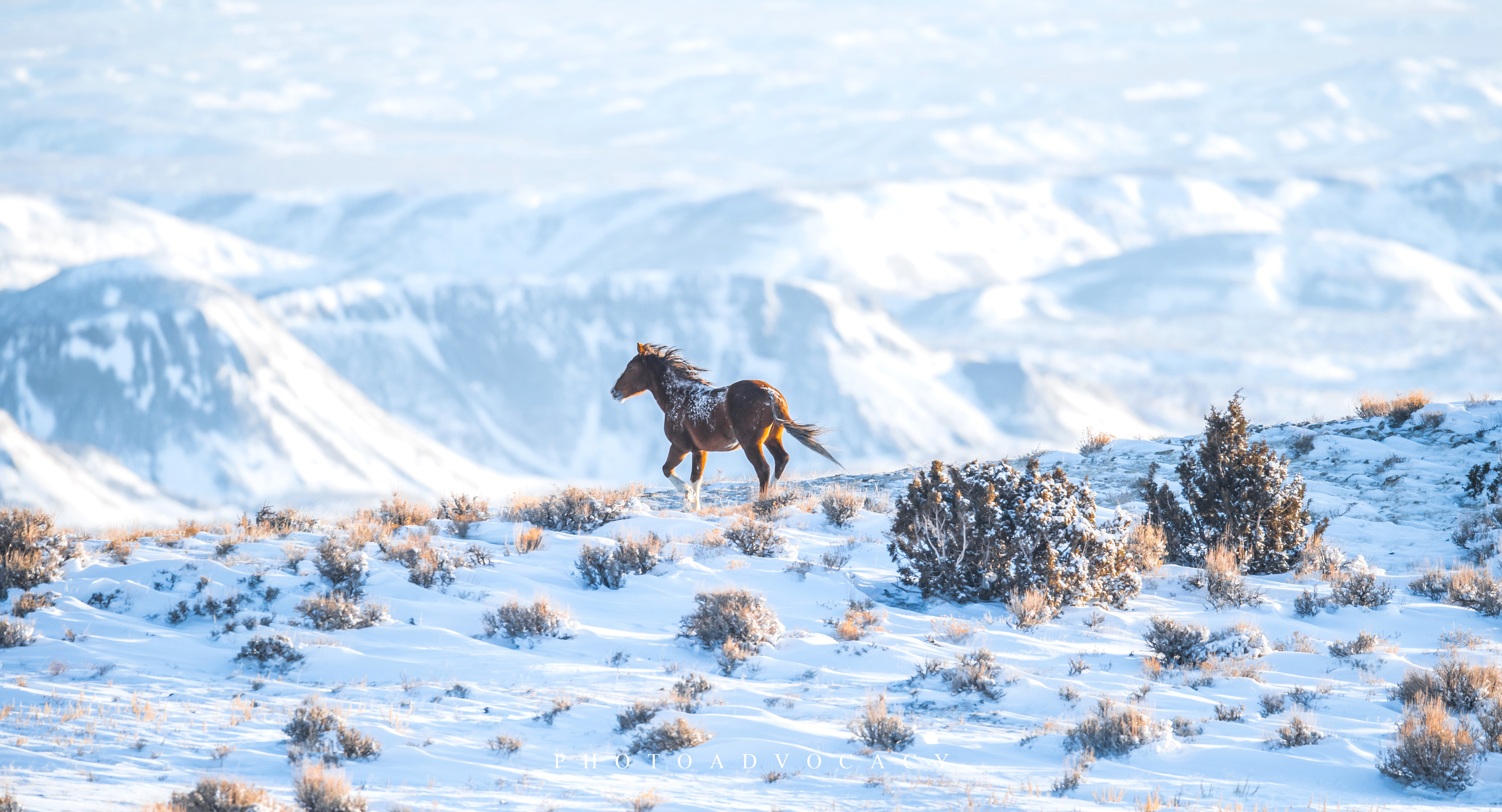
When Scott Wilson photographed a stallion kicking up a cloud of dust at a Colorado watering hole, he had no idea the image would be named Open Photographer of the Year at the 2022 Sony World Photography Awards. Four years on, that win has become a platform for a new chapter in his work.
In this interview, Wilson reflects on the story behind Anger Management, what winning meant for his career and his advice for photographers thinking of entering the Sony World Photography Awards Single Image competition.
You won Open Photographer of the Year in the 2022 Sony World Photography Awards. Looking back, what has that recognition meant for you and the direction your work has taken?
Winning Open Photographer of the Year was an extraordinary moment, and one I could hardly have anticipated. The recognition gave my advocacy cause a reach I could never have achieved alone, reaching audiences in more than 200 countries.
Although the award was a major milestone, it was more of a beginning than a destination. It gave me a platform and prompted me to think differently about what I could do with my photography beyond making the images themselves.
Since then, my work has evolved from landscape and wildlife photography into photojournalism and what I call PhotoAdvocacy: the intentional use of photography to move an issue from observation to action.
That has meant working with animal-welfare organisations, engaging with policymakers and creating educational opportunities for other photographers.
Let’s go back to the beginning. How did you get into photography, and what first drew you to Colorado’s wild horses?
I had been a landscape photographer for around 20 years before wildlife became such a central part of my work. A stage-four colon cancer diagnosis in 2016 changed my perspective considerably. It made me think differently about time, purpose and what I wanted to contribute.
Photography became a way of engaging with the natural world, but I also discovered that it could help people connect with subjects they might otherwise never encounter. I began exploring the relationship between photography, wildlife and advocacy, including work encouraging people to take cancer screening seriously.
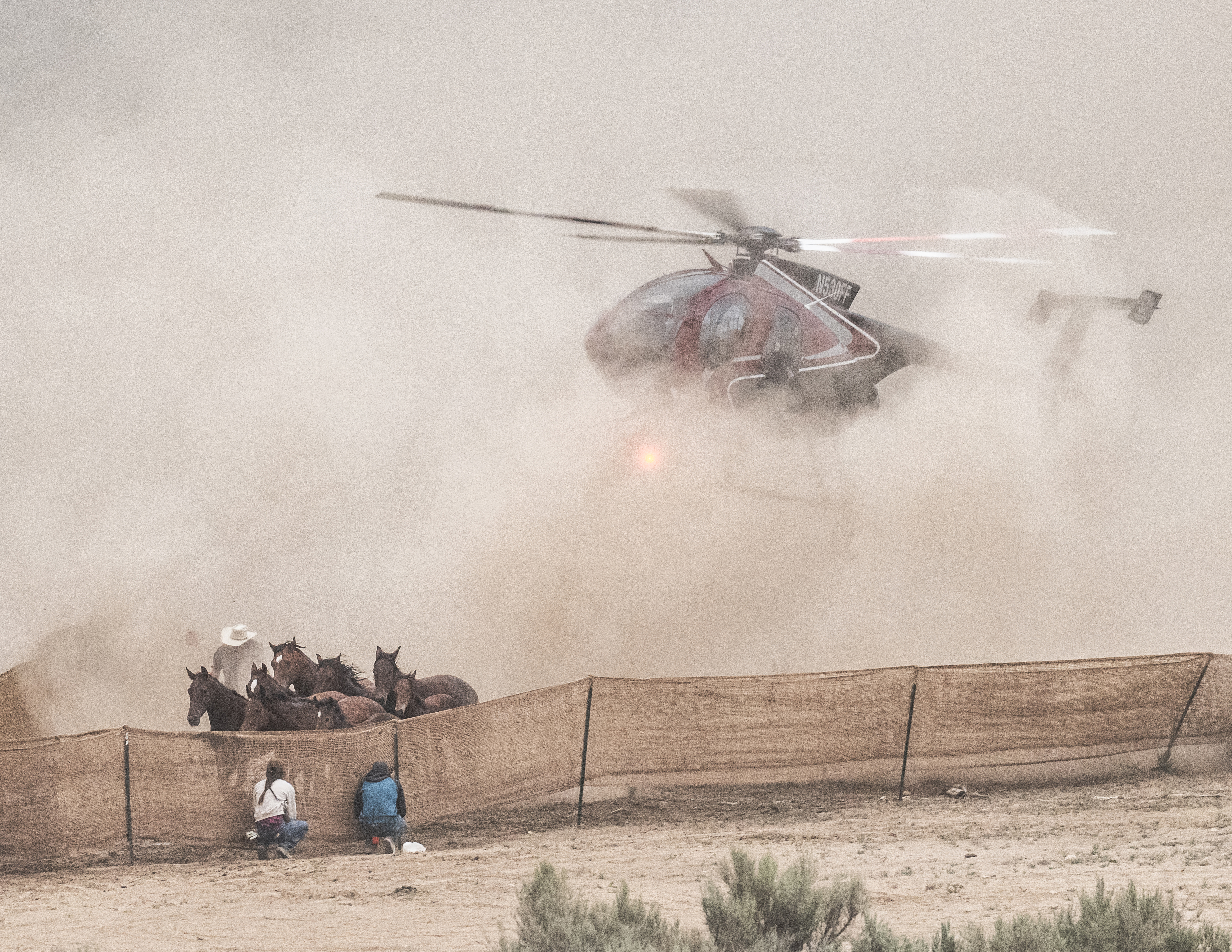
Colorado's wild horses brought those interests together in an unexpected way. I was drawn to their beauty, their social relationships and their lives on the open range. But in 2021, I photographed a helicopter roundup in the Sand Wash Basin, and that experience changed the direction of my work.
I arrived as a wildlife photographer and left as an advocate. I had gone to photograph horses, but I came away feeling a responsibility to document what I had witnessed and help people understand it.
Your winning photograph, Anger Management, captures a wild mustang kicking up a cloud of dust. Can you take us back to that moment? What was happening, and how did you capture it?
The stallion had just emerged from a pool of mud, which was baking on his body in the July sun. He was pounding the dirt to let the other stallions know that this was his time at the precious water hole.
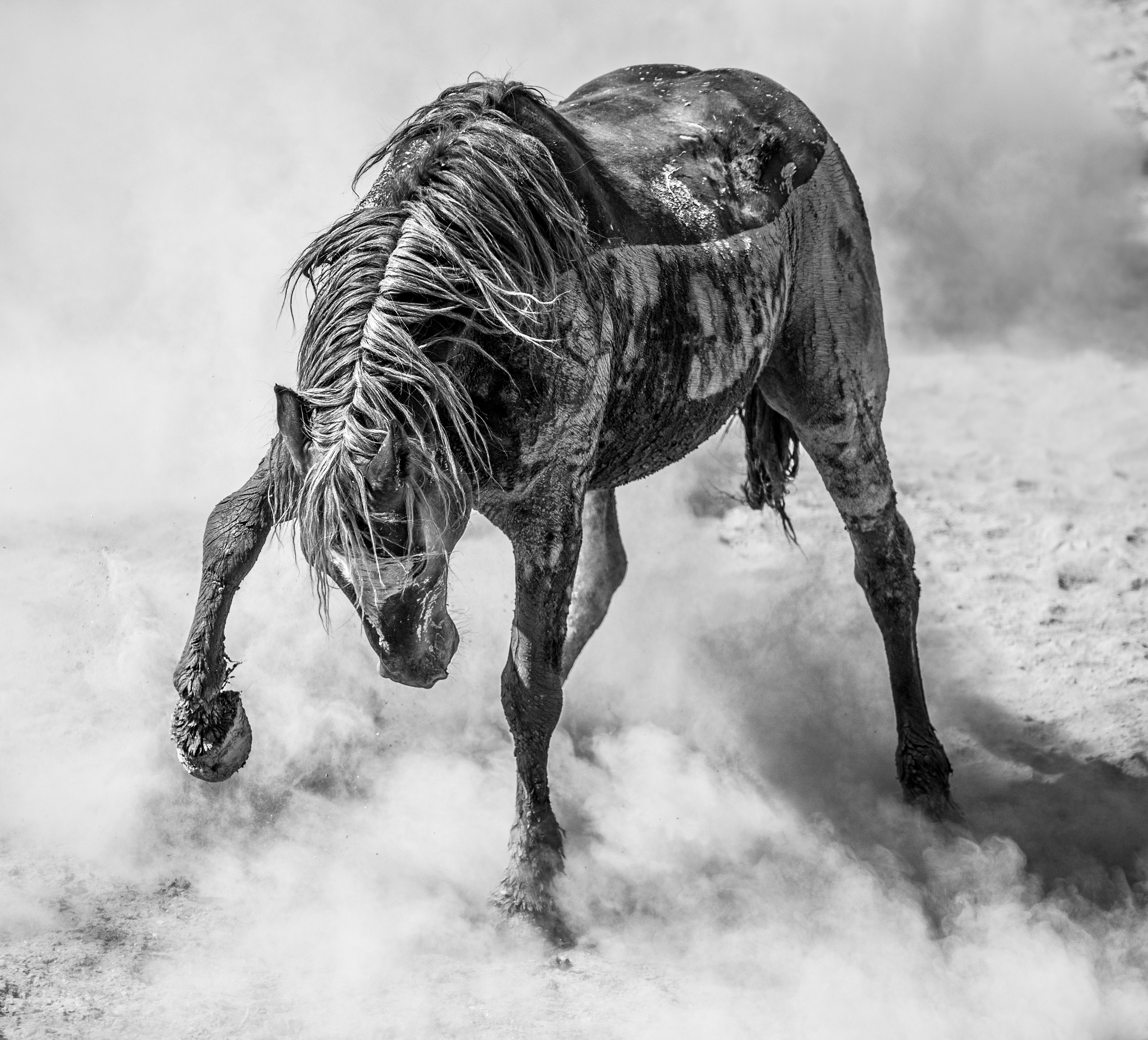
I was on a hillside looking down at him. The dust made it seem as though this majestic animal was standing on clouds, looking down on the world below. There was an energy and intensity to the scene that made it feel almost confrontational.
It was one of those moments when behaviour, light, dust and perspective came together in a way I could never have planned. With wildlife, you can't direct the subject or ask it to repeat a movement. You have to observe, anticipate and be ready.
Looking back, Anger Management was more than an award-winning photograph. It became part of a journey that would take my work well beyond wildlife photography.
What advice would you give to photographers entering the Sony World Photography Awards, drawing on your own experience of the competition and what followed?
My advice would be to make work that matters to you, rather than trying to guess what a competition jury wants to see. Develop your own way of looking at the world and give yourself the time to pursue it.
The Sony World Photography Awards gave my work an extraordinary platform, but what followed taught me that recognition is only part of the journey. The question is what you do with the opportunity.
If you're drawn to photography with a purpose, learn the subject as deeply as you learn your camera. Understand the context and the people already working in the field. Think about what each image contributes, how it might be used and who needs to see it. And don't stop when the shutter closes. Finding the right audience, building relationships and giving photographs a useful life can be just as important as making them.
Above all, be patient and stay true to the work. Meaningful change rarely follows a straight line, and you can't always predict which photograph will resonate or where it will lead.
Photography is a skill, but what you choose to do with it is a decision. Winning an award gave me a platform; the years since have been about learning how to use it.
Photographing the roundups must demand a great deal of patience, anticipation and technical skill. How do you approach composition, light and timing in these conditions, and how do you balance capturing a powerful image with documenting events as they unfold?
Roundup photojournalism is a very different discipline from photographing wildlife in more natural circumstances. Conditions change rapidly, the action is unpredictable, and you have to work within the limitations of distance, terrain, dust and your own position. There is little opportunity to compose at leisure.
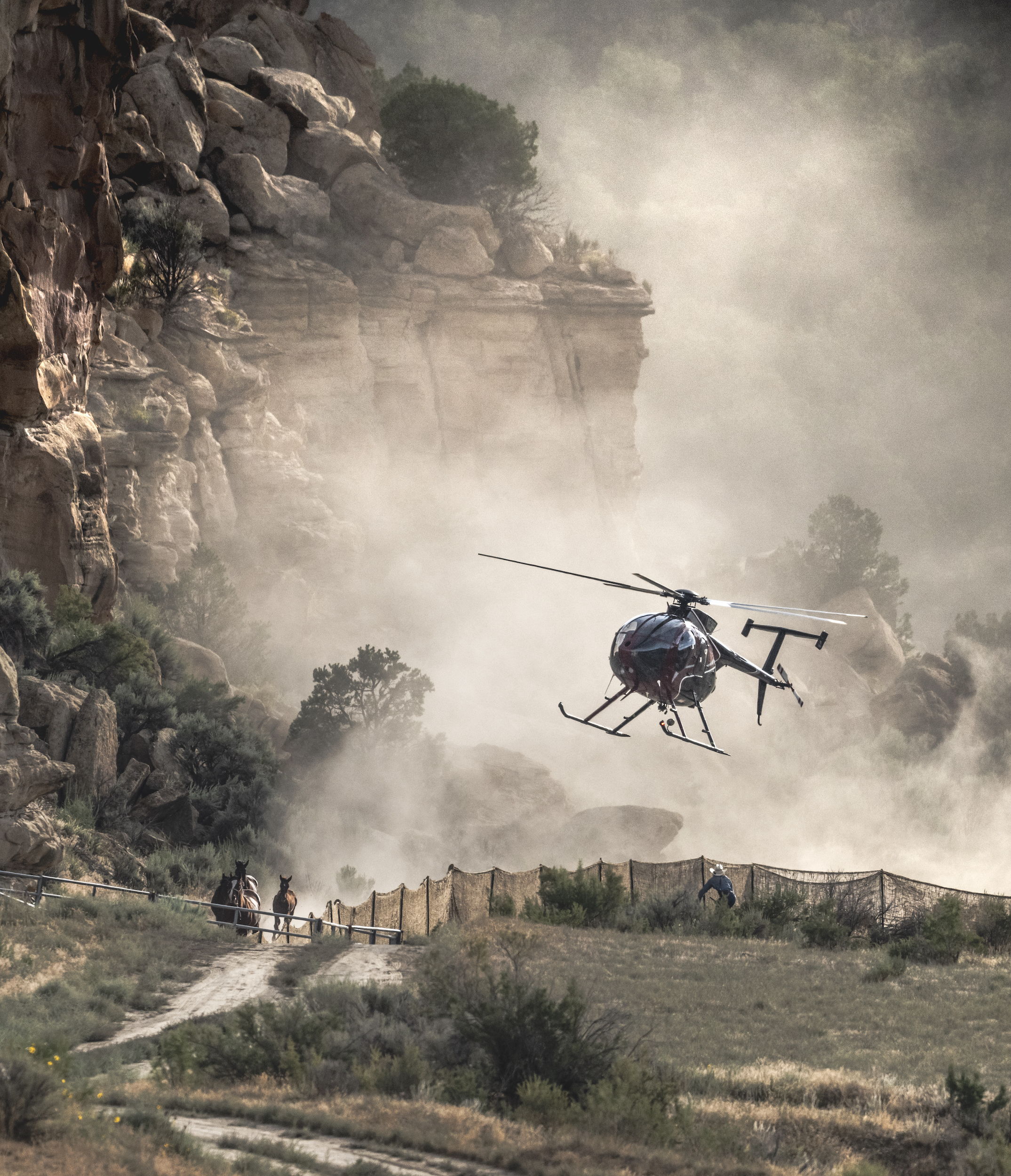
My background in landscape photography has taught me to pay attention to light, shape, separation and the relationship between a subject and its surroundings. My wildlife work has taught me to anticipate behavior and be ready for a moment that may last only a fraction of a second. Both matter in the field.
But the purpose of the photograph matters just as much as its technical quality. I am not simply looking for a striking image. I am trying to document what happens: the horses' behavior and relationships, the conditions in which they are gathered and the consequences of the operation.
A powerful photograph and a documentary photograph are not mutually exclusive. The strongest images often do both. They draw you in visually while also containing information that rewards closer attention.
That places a responsibility on the photographer. Captions, sequencing and the wider body of work help ensure that a compelling image also provides trustworthy evidence of what took place.
You now describe your approach as “PhotoAdvocacy”. What does that mean to you, and when did you begin to see your photography as a way to advocate for these horses?
I define PhotoAdvocacy as the intentional use of photography to move an issue from observation to action. It is not simply photography about a cause, nor is it a particular visual style. It is an approach that considers what a photograph can contribute to a wider effort to address an issue.
The turning point for me was the Sand Wash Basin roundup in 2021. I had spent years making photographs because I found the natural world beautiful and worth documenting. After experiencing my first roundup, I realized that documenting what was happening was not enough. I wanted the photographs to reach people who could do something with them.
That meant learning about wild horse management, understanding the policy and science, listening to people with different perspectives and finding ways to put the images in front of audiences who might otherwise never see them.
Through We Animals, I have been able to contribute to a wider body of animal photojournalism. Through my work alongside Skydog, I have seen how photography can tell individual stories of rescue, recovery and the long-term care of horses. Exhibitions, journalism and engagement with policymakers offer other ways for the work to reach people.
I don't believe a photograph can solve a complex problem on its own. But it can make an issue visible, give people a reason to ask questions and provide visual evidence that can travel between audiences. The challenge is to understand where the images can contribute and to take responsibility for getting them there.
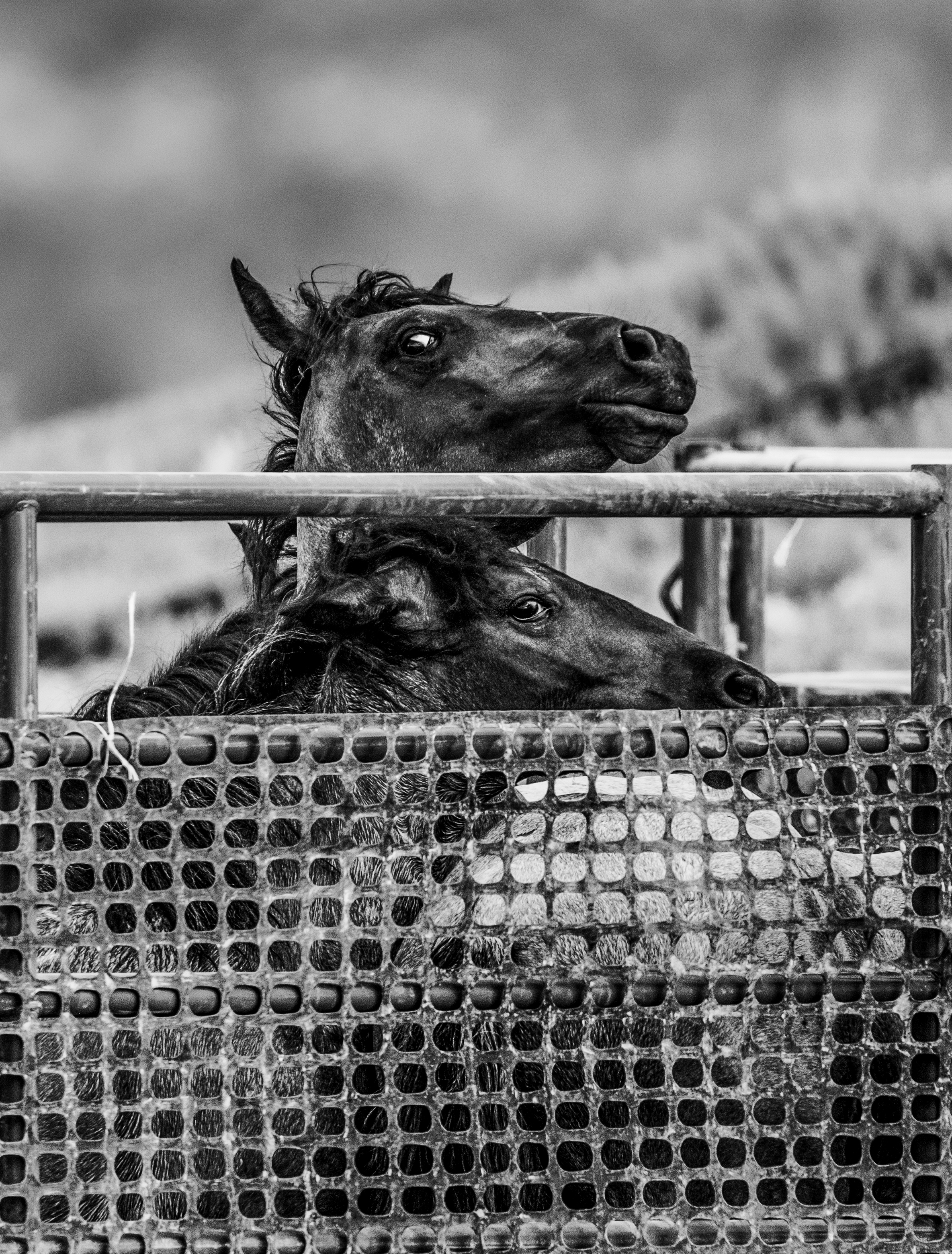
Your exhibition, The Colorado Roundups (part of the PRESSURE exhibition), brings together five years of work documenting wild horse roundup operations and their consequences. What prompted you to begin this project, and how has the story developed over that time?
The project began with what I witnessed at Sand Wash Basin in 2021. I wanted to document the roundups because I felt that what was happening to Colorado's wild horses needed to be seen and understood. I have continued that work across subsequent operations, including the 2026 roundups, building a body of photographic documentation spanning five years.
What has developed is not simply a record of individual events. It is a wider visual account of the operations, the horses affected by them and the questions these events raise about how we manage wild horses on public lands.
The exhibition at D'art Gallery in Denver reflects a change in how I present that work. In earlier exhibitions, I led with the beauty of the horses, using large fine-art prints as the centerpiece and presenting the roundup photographs separately in a documentary scrapbook. But conversations with visitors taught me that people were often most engaged by the documentary images and the questions they raised. For The Colorado Roundups, the photojournalism takes center stage. Detailed captions provide context and help visitors engage with the events rather than simply react to individual photographs.
One of the 2026 Sand Wash Basin roundup images in the exhibition was selected as the lead image for The Times’ October 22, 2026 article on the roundup of America’s wild horses. It was gratifying to see a documentary image from the field help bring this issue to a wider audience.
The exhibition will conclude with a guided photojournalism talk called Field Notes, in collaboration with We Animals, where I will walk through the 20 documentary images on display (Field Notes, D’art Gallery Denver, Friday 13th November, from 6:30pm).
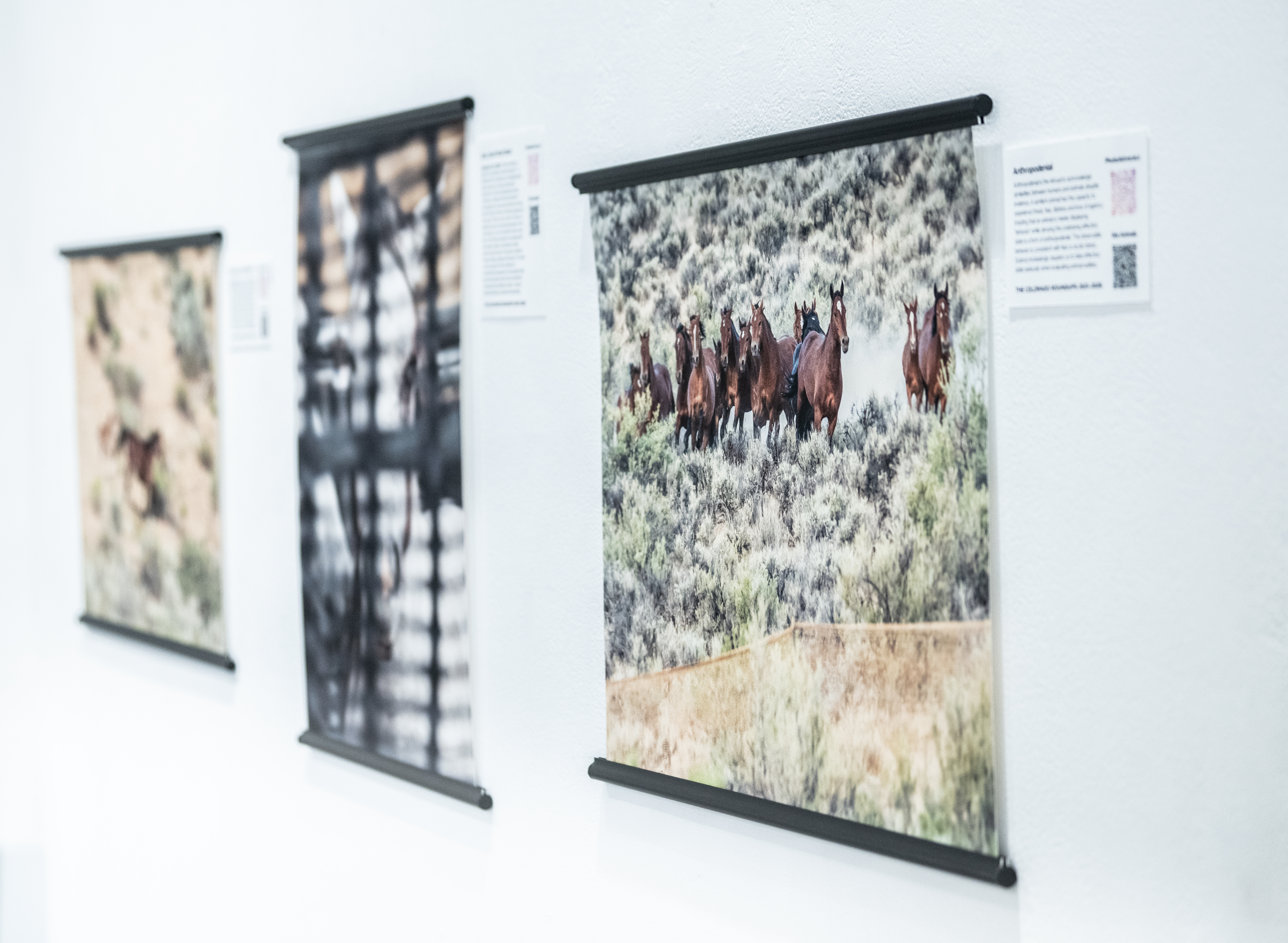
Is there a particular horse or encounter from these past five years that has stayed with you?
It is difficult to choose just one, because the work has taught me to see wild horses not as a single population or a symbol in a policy debate, but as individuals with relationships, histories and distinct personalities.
One thing that has stayed with me is the contrast between the horses I photograph on the range and those I encounter later through rescue and sanctuary work.
The roundup documentation records a particular point in a horse's life. Working alongside Skydog has given me the opportunity to see another part of that story: the time, care and patience involved in helping rescued horses recover and establish new lives.
I saw that vividly in a rescued horse known as Adonis who I witnessed arrive in Oregon this year as a hypervigilant nervous animal and over the course of months begin to trust his environment and the people and horses around him.
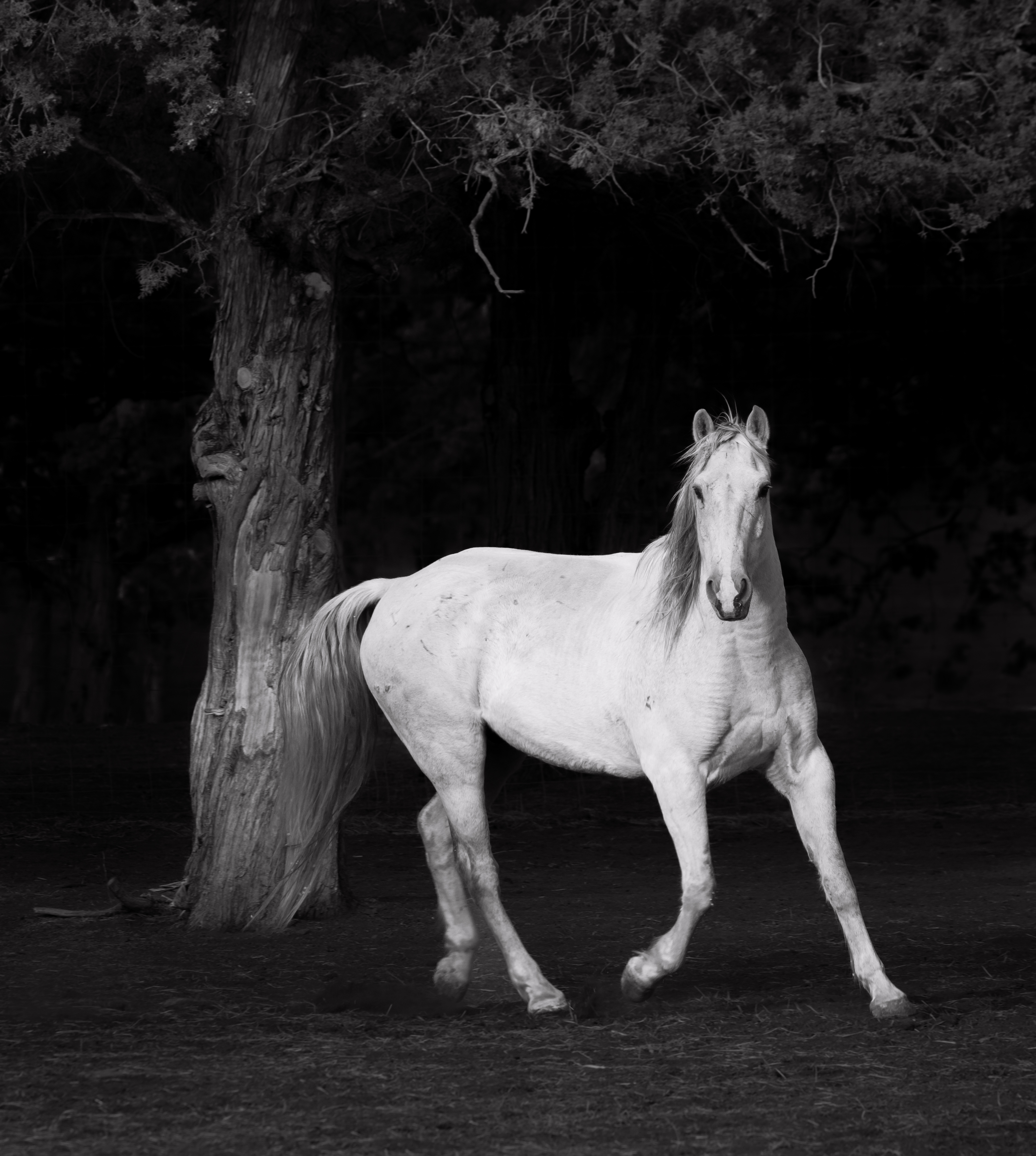
That taught me that the moment of rescue doesn’t immediately solve the problem. Recovery is a process, the same as it is for humans who have experienced trauma.
That connection has changed how I think about documentary photography. The photograph of an event matters, but so does what happens before, and what follows. I want to tell stories that extend beyond a single dramatic moment without reducing the horses themselves to the circumstances they face.
For me, that is an important part of stewardship: continuing to pay attention to individual animals, even when the wider story concerns policy, management or public debate.
Alongside documenting wild horses, you’ve used art sales to support sanctuaries and animal-welfare organisations. Has there been a particular response to your work that showed you what photography could achieve beyond raising awareness?
There have been several experiences that have shown me photography can contribute in very different ways. My documentary work has helped bring wild horse roundups to wider audiences through journalism and video.
Following the circulation of a roundup video I captured for We Animals, which reached 2.5M viewers, five members of Congress, the Colorado governor and 23 Colorado legislators wrote to the Bureau of Land Management requesting a pause. I wouldn't claim that photography alone produced those responses, but visual documentation can help make an issue impossible to ignore.
Alongside Skydog, I've also used art sales to support the care of rescued wild horses and burros. The large 44” print of Ocean in the current D'art exhibition is intended to support Skydog's work.
And through Zuma's Healing Herd, equine-assisted therapy connects horses with cancer patients and their families. That work reminds me that photography can contribute to animal welfare in another way, by helping people connect with horses and understand what that relationship can mean in their own lives.
These are different outcomes: informing public debate, supporting practical care and strengthening the connection between people and animals. For me, the point is to find ways for the photographs to contribute beyond the image itself.
What's next for your work?
I will continue documenting Colorado's wild horses and the consequences of roundup operations, bringing that work to new audiences through photojournalism, exhibitions, publications and engagement with policymakers. My work with We Animals and alongside Skydog will remain important parts of that effort.
But I am also increasingly focused on education and on helping others understand how photography can serve a purpose beyond their own portfolios. I've recently joined the faculty of the University of Denver's Animals Forward Executive Certificate for Animal Advocates, leading work on advocacy and communications. I've also been sharing my experience with younger members of the Photographic Society of America, encouraging them to consider how their photographic skills might contribute to issues they care about.
I don't expect every photographer to become an advocate, or every photograph to carry a social purpose. But I want to help people recognize the choices they have: what they document, how they tell a story, who they reach and what they do with the opportunities photography creates.
For me, the next chapter is about continuing the fieldwork while helping develop the people, partnerships and educational opportunities that allow the work to travel further.
About Scott Wilson
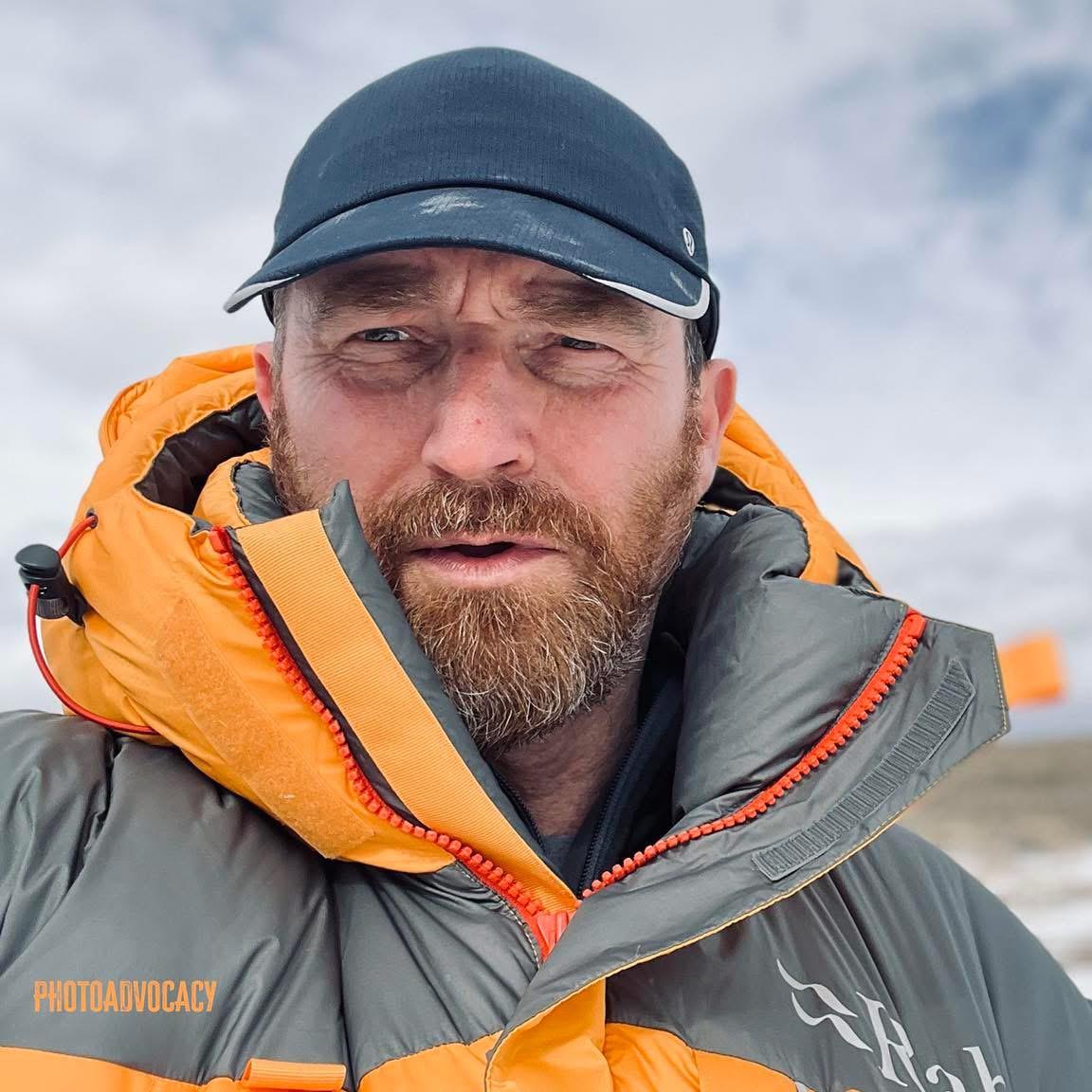
Colorado-based conservation photographer, Scott Wilson (aka PhotoAdvocacy) took up wildlife photography in 2016 after chemotherapy treatment for stage 4 colon cancer forced him to avoid sunlight and he began shooting wildlife from the protective shade of his car. From there, he was introduced to the beauty and plight of America’s wild mustangs and has become a committed advocate for wild horse protection. Scott is a contributor to We Animals Media, the world’s largest animal photojournalism agency and sanctuaries, such as Skydog in Oregon and California.