

Series description
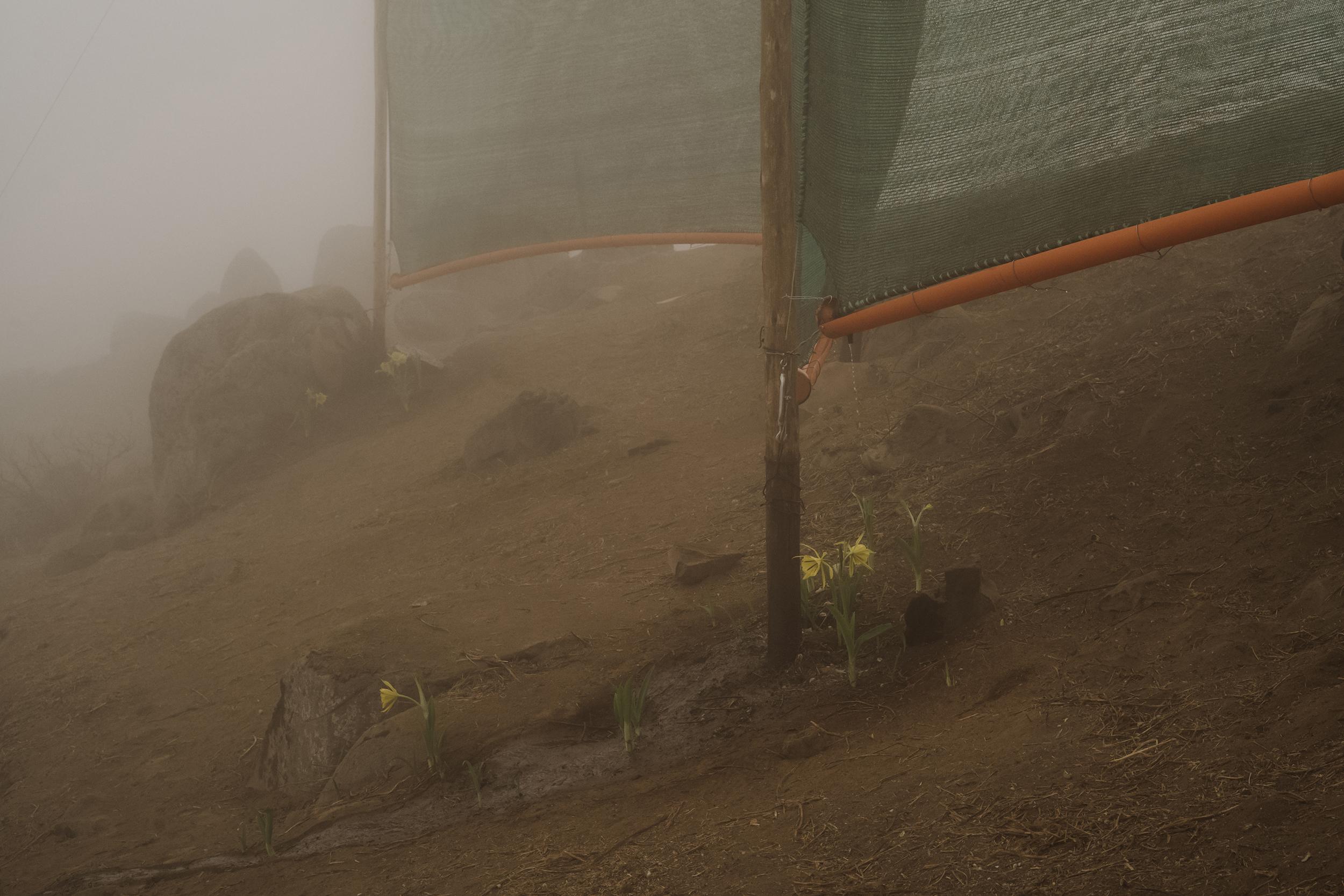
After Cairo, Lima is the second city in the world to be built in a desert. In recent years, migration from rural Peru to Lima has increased significantly, but the people who manage to settle in Lima are typically very poor and their biggest problem is lack of water. One solution that gives them hope is fog nets. Consisting of two poles that support a nylon net with small holes in it, these nets can collect about 200 litres (53 gallons) of water per day. The founder of the project is Abel Cruz, who started work on it more than 20 years ago, when he left his home region of Cusco and came to Lima to live in a settlement where water was a luxury. According to Abel, there are now about 140 fog nets installed in Lima; this project aims to show how this artisanal method could help combat water shortages.
Biography
Alessandro Cinque, born in 1988, is an Italian photojournalist based between the US and Peru focusing on environmental and socio-political issues in Latin America. His work delves into the devastating impact of mining on Indigenous communities. Cinque documents environmental contamination and public health concerns, capturing the pollution's effects on crops, livestock, and homes near mining sites. His photographs have been published by international media, including from the New York Times and Reuters. In 2022, his work adorned the National Geographic cover, and he earned the title of National Geographic Explorer. In 2023, Cinque won the World Press Photo and the Sustainability Award at the Sony World Photography Awards, also becoming a Prix Pictet finalist.
Untitled
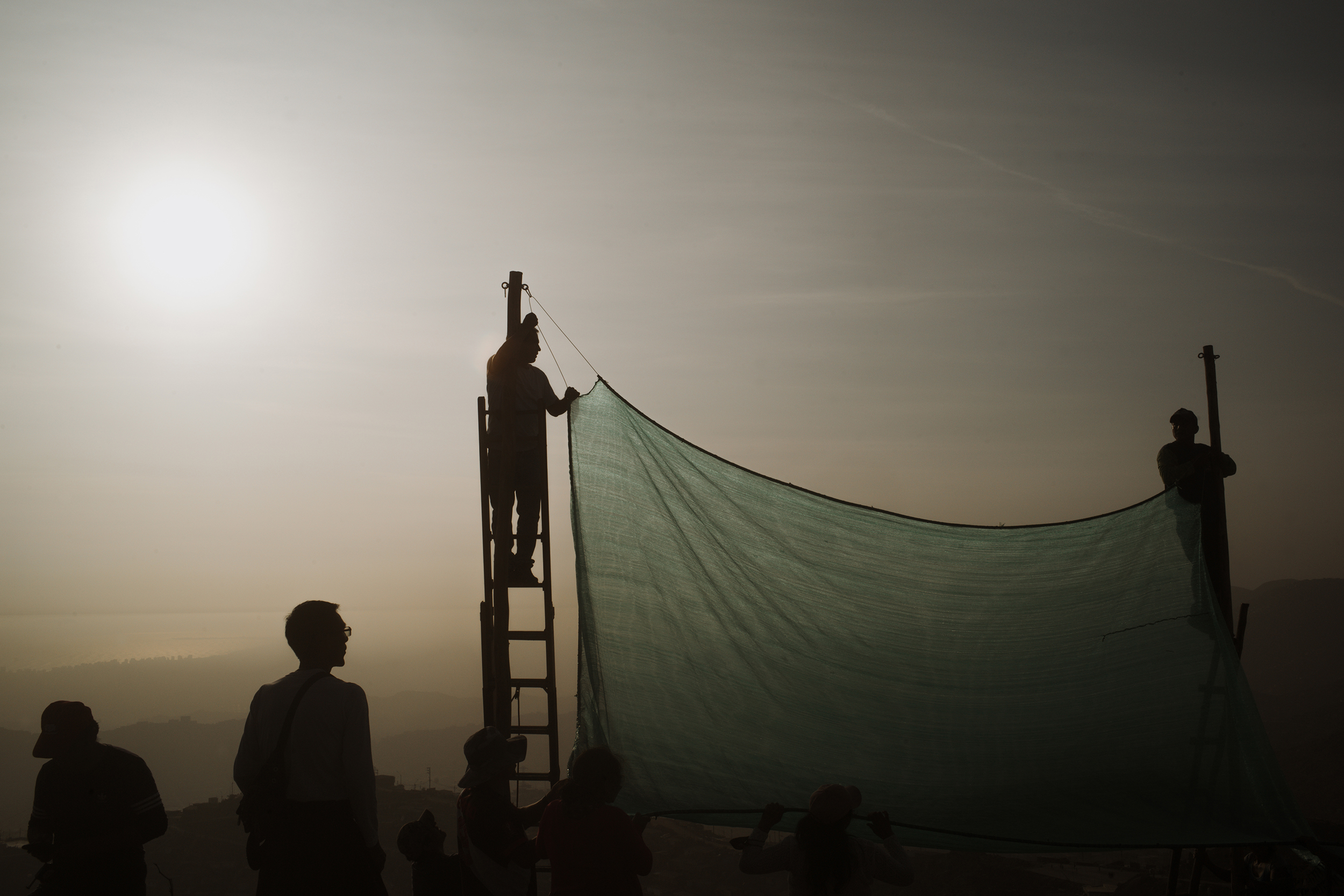
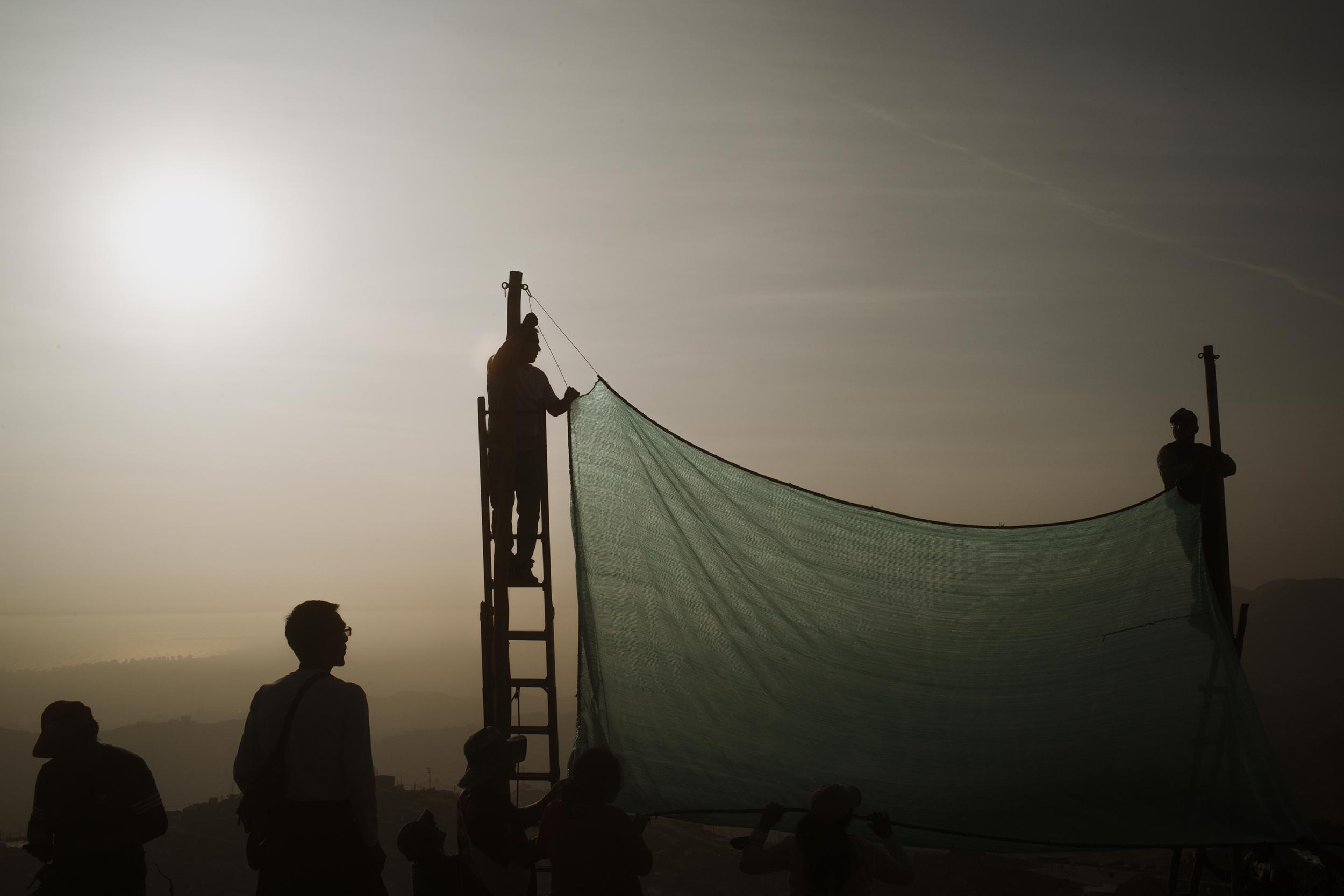
A group of barrio residents install fog nets. On the day of installation the whole barrio is present and everyone helps with the work. This day is experienced as a celebration and a communal lunch is often organised to share the time together.
© Alessandro Cinque, Italy, Winner, Sustainability Prize, 2023 Sony World Photography Award
Untitled
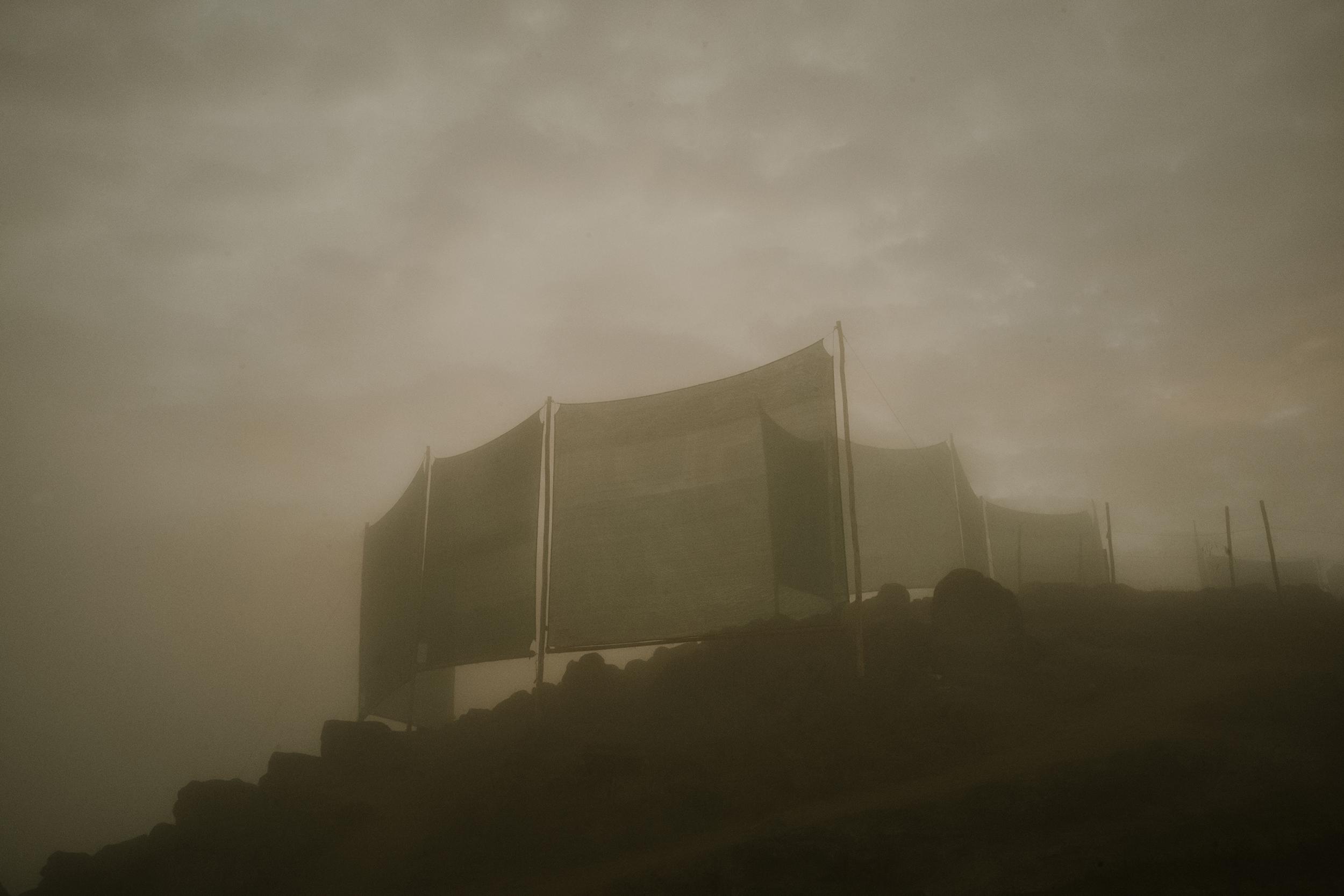
According to Abel Cruz, the project’s founding engineer, there are numerous advantages to fog nets: the system does not require large financial outlays, it lasts up to five years, and it works immediately. Each net captures gaseous water from dew, condenses it and, once it is liquid, it flows through gutters to be stored in large tanks for domestic use.
© Alessandro Cinque, Italy, Winner, Sustainability Prize, 2023 Sony World Photography Award
Untitled
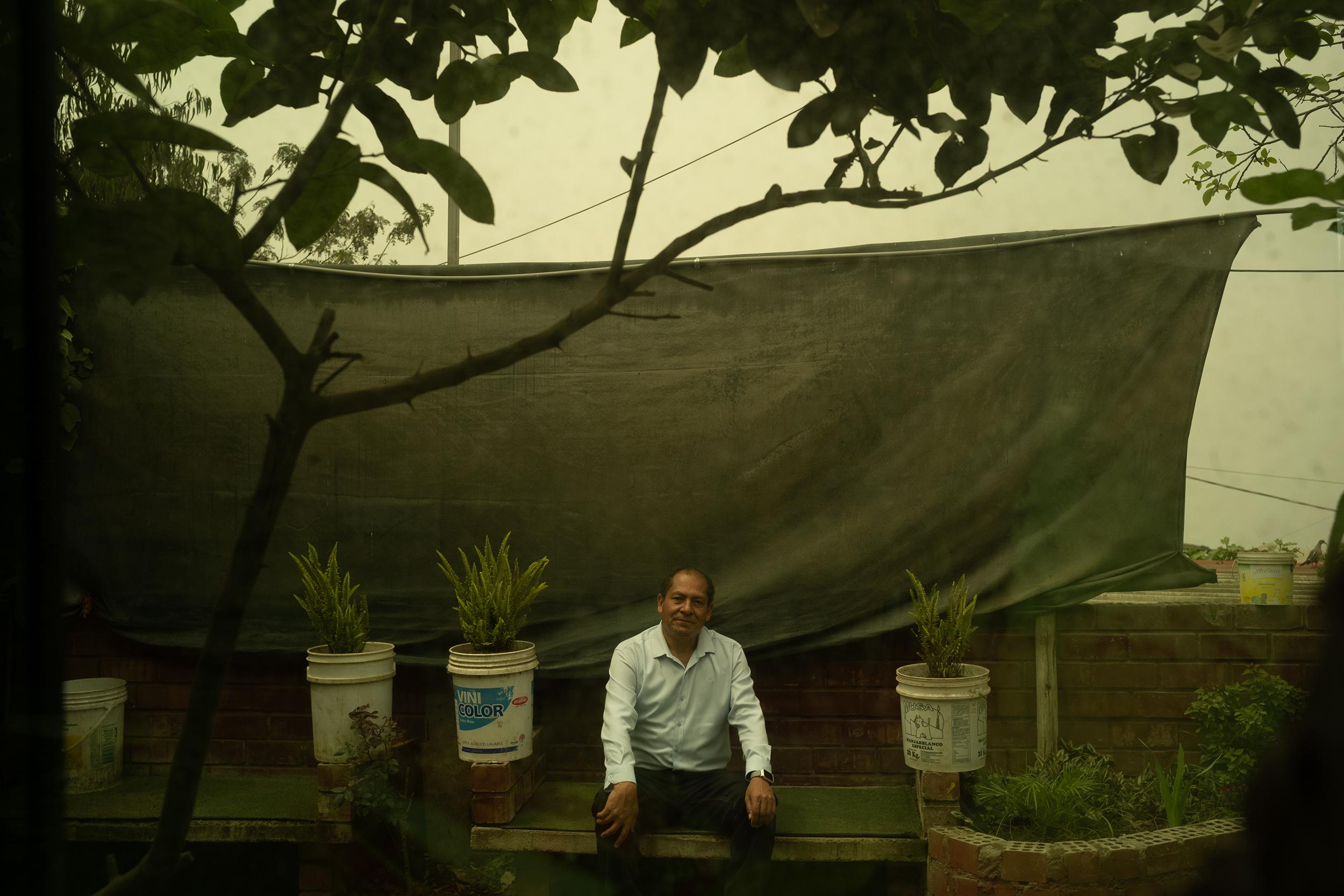
Portrait of Abel Cruz, who was originally from Cusco, but migrated from the Andes to Lima. When he was young, water was the luxury he most desired, which is why he founded his NGO. Every time he arrives somewhere new to install the fog nets, he seeks funds to buy materials and organise training for locals, so they can put the nets in place and maintain them.
© Alessandro Cinque, Italy, Winner, Sustainability Prize, 2023 Sony World Photography Award
Untitled
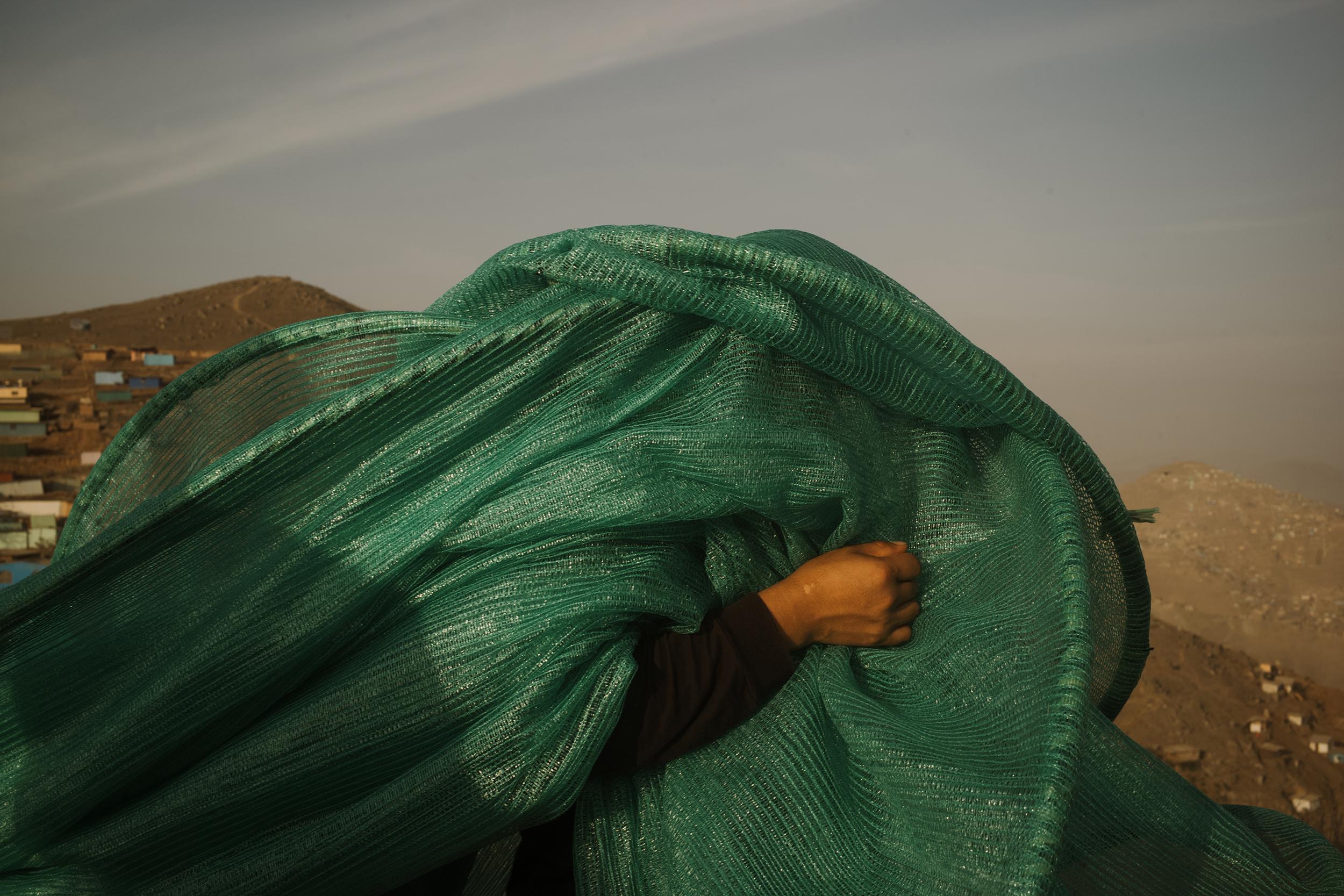
A woman carrying a net to be installed by her fellow barrio members. For many people it is hoped that these nets will provide financial savings.
© Alessandro Cinque, Italy, Winner, Sustainability Prize, 2023 Sony World Photography Award
Untitled
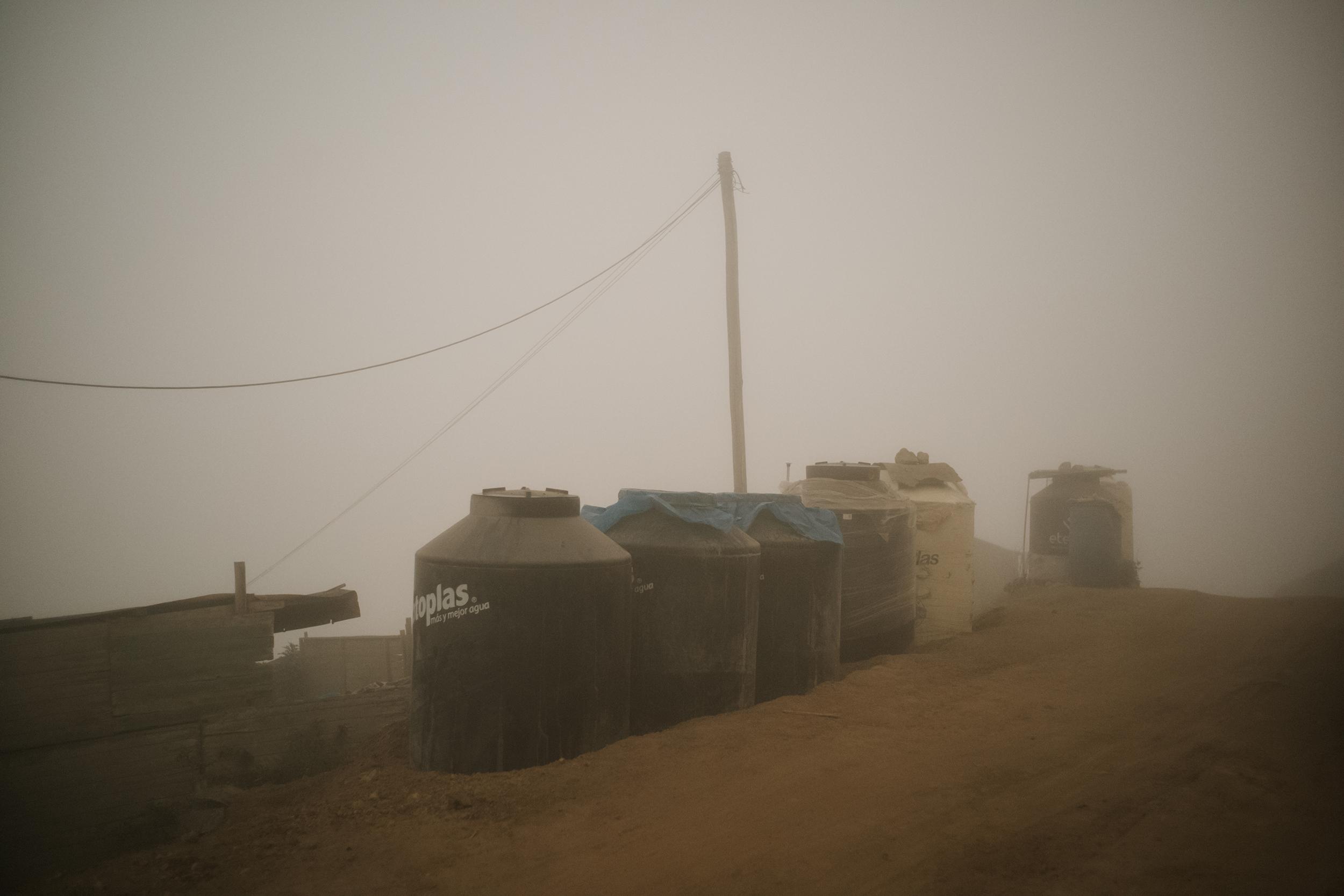
During the Covid-19 pandemic the Peruvian government gave away water to families in these neighbourhoods, but from March 2023 they have to re-start paying for water supplied by trucks. With fog nets they will be able to save some money.
© Alessandro Cinque, Italy, Winner, Sustainability Prize, 2023 Sony World Photography Award
Untitled
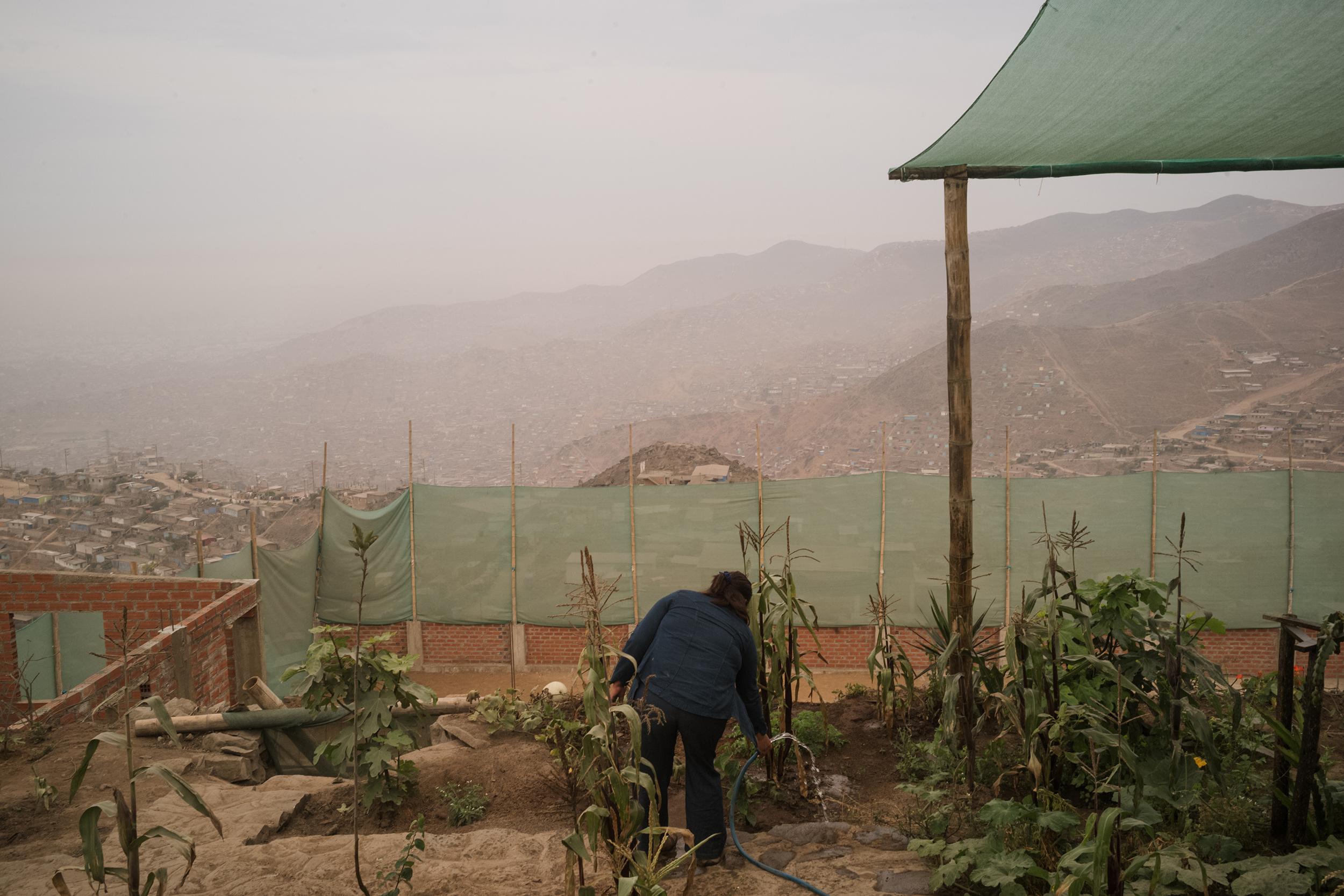
A woman uses water from the fog nets. Thanks to this system, Mercedes Huamani was able to make an urban garden in her home, where she produces fruits and vegetables. This greatly helps her household economy. ‘Where there is water, there is life’, she says.
© Alessandro Cinque, Italy, Winner, Sustainability Prize, 2023 Sony World Photography Award
Untitled
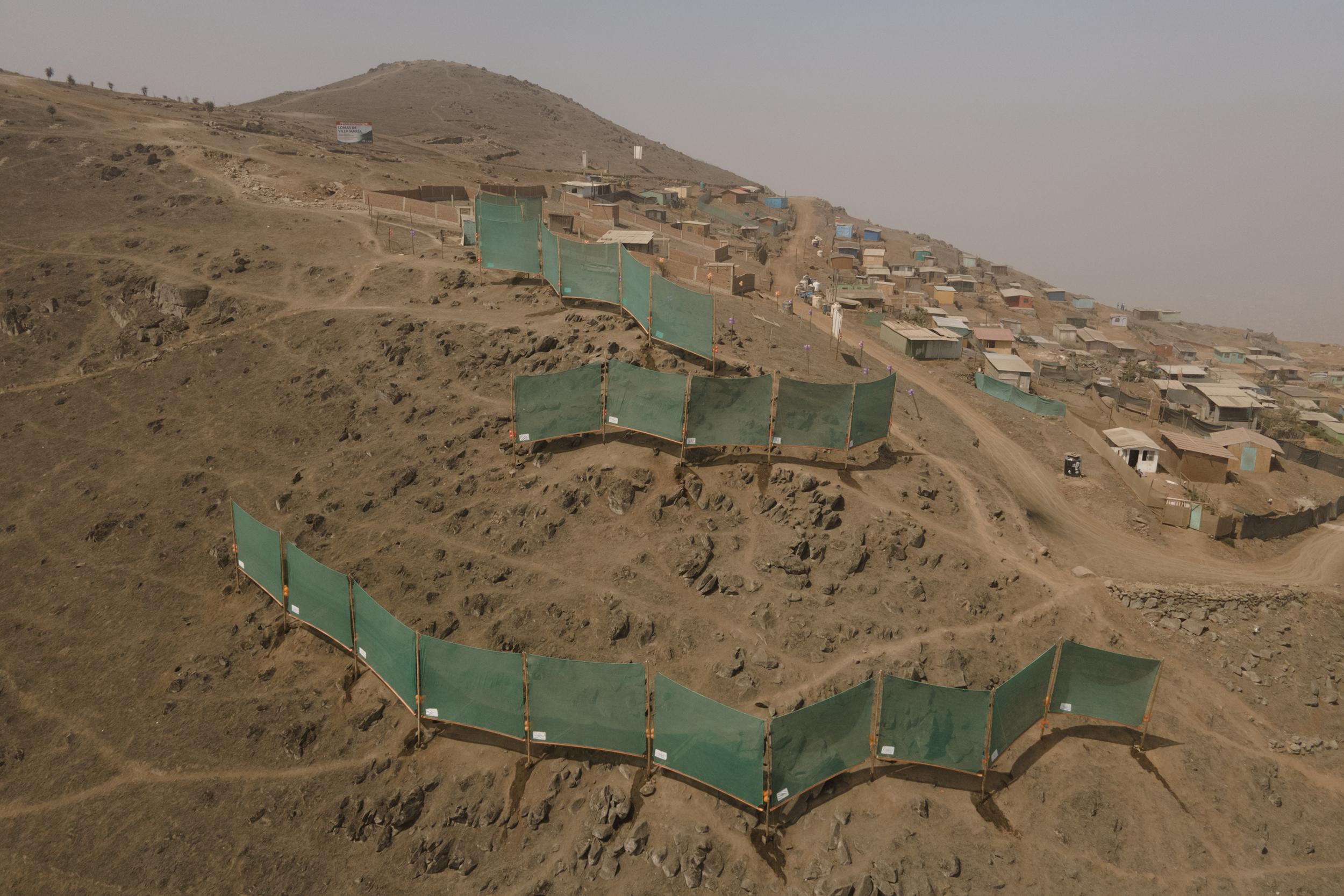
A view of the barrio after the fog nets have been installed. Villa Maria del Triunfo has a population of approximately 430,000 inhabitants. According to the latest official data from the Peruvian government, about 21.5 percent of its population lives in poverty or extreme poverty.
© Alessandro Cinque, Italy, Winner, Sustainability Prize, 2023 Sony World Photography Award
Untitled
The water produced by the fog nets is collected and delivered to tanks. When this photograph was taken the tanks had not yet been connected. The water coming down from the nets made flowers grow exactly where it touched the ground.
© Alessandro Cinque, Italy, Winner, Sustainability Prize, 2023 Sony World Photography Award