

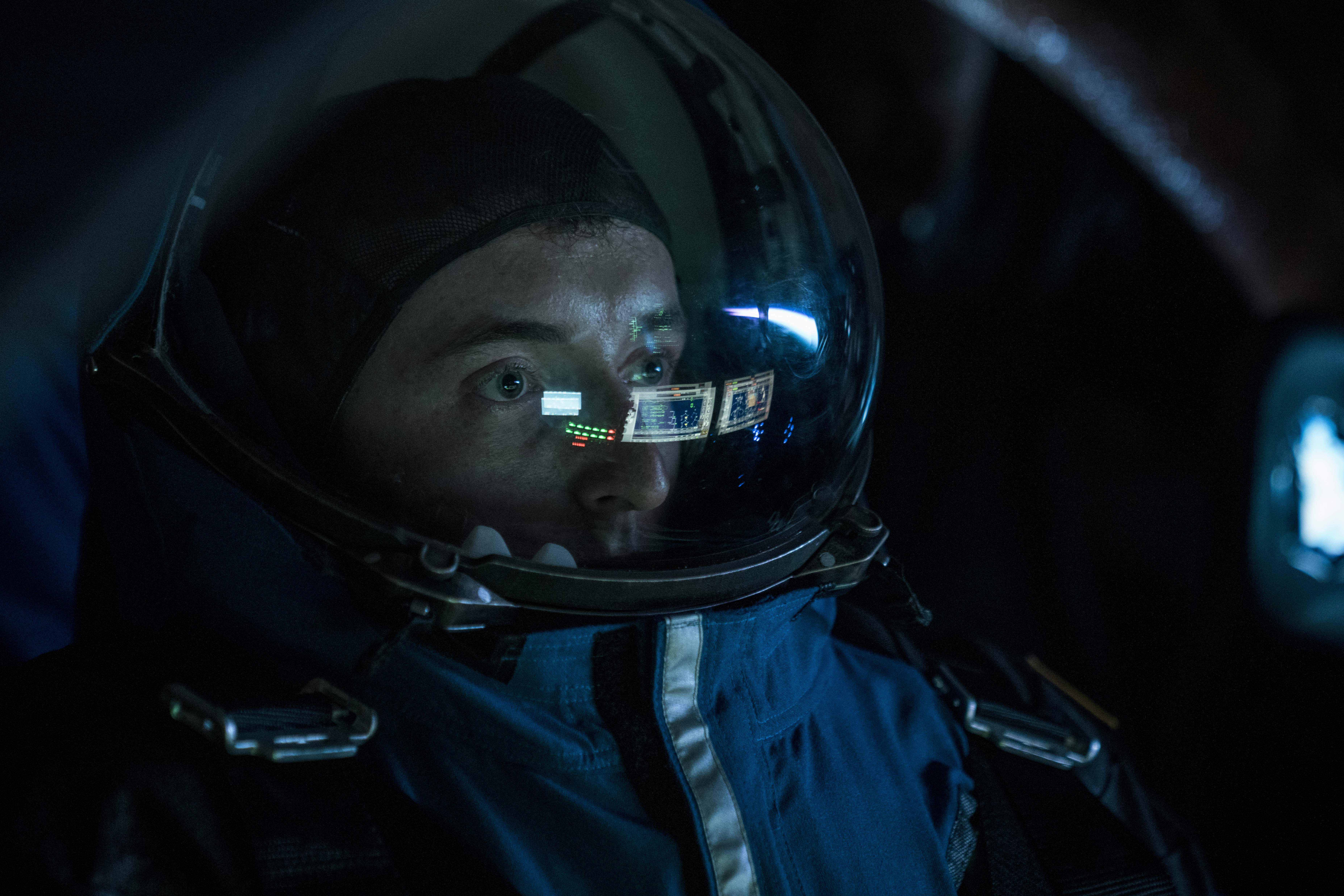
Series description
From the late 1950s, astronauts on NASA’s Mercury, Gemini and Apollo programs were required to take two heterosexuality tests, and in 1994, NASA asked ‘to include homosexuality as a psychiatrically disqualifying condition’ for astronauts. The psychiatric team protested, but NASA insisted. A 2022 study found that LGBTQ+ astronauts felt that being out may ‘hurt their chances of getting a [Space Shuttle] flight’ and, to date, NASA has never selected or flown an openly LGBTQ+ astronaut.
The Gay Space Agency confronts the exclusion of openly queer astronauts. The series offers a queer counter-narrative to the history that has prevented the LGBTQ+ community from flying and imagines a more accepting future. To bridge the diversity gap and work towards a more inclusive future, this project envisions queer people in space. By traversing its edges, we can imagine a world that is not limited by anti-LGBTQ+ sentiments. The Gay Space Agency asks what it truly means to have the ‘right stuff’.
Biography
Mackenzie Calle is a creative documentary photographer and filmmaker based in Brooklyn. She is a graduate of NYU’s Tisch School of the Arts, ICP’s Documentary Practice and Visual Journalism program, and was a member of Eddie Adams Workshop class XXXV. She is the recipient of the Magnum Foundation Counter Histories grant, LensCulture Emerging Talent Award, and the Dear Dave Fellowship.
Her clients include National Geographic, The Washington Post, GAYLETTER, Discovery, MSNBC, and The Wall Street Journal.
Untitled
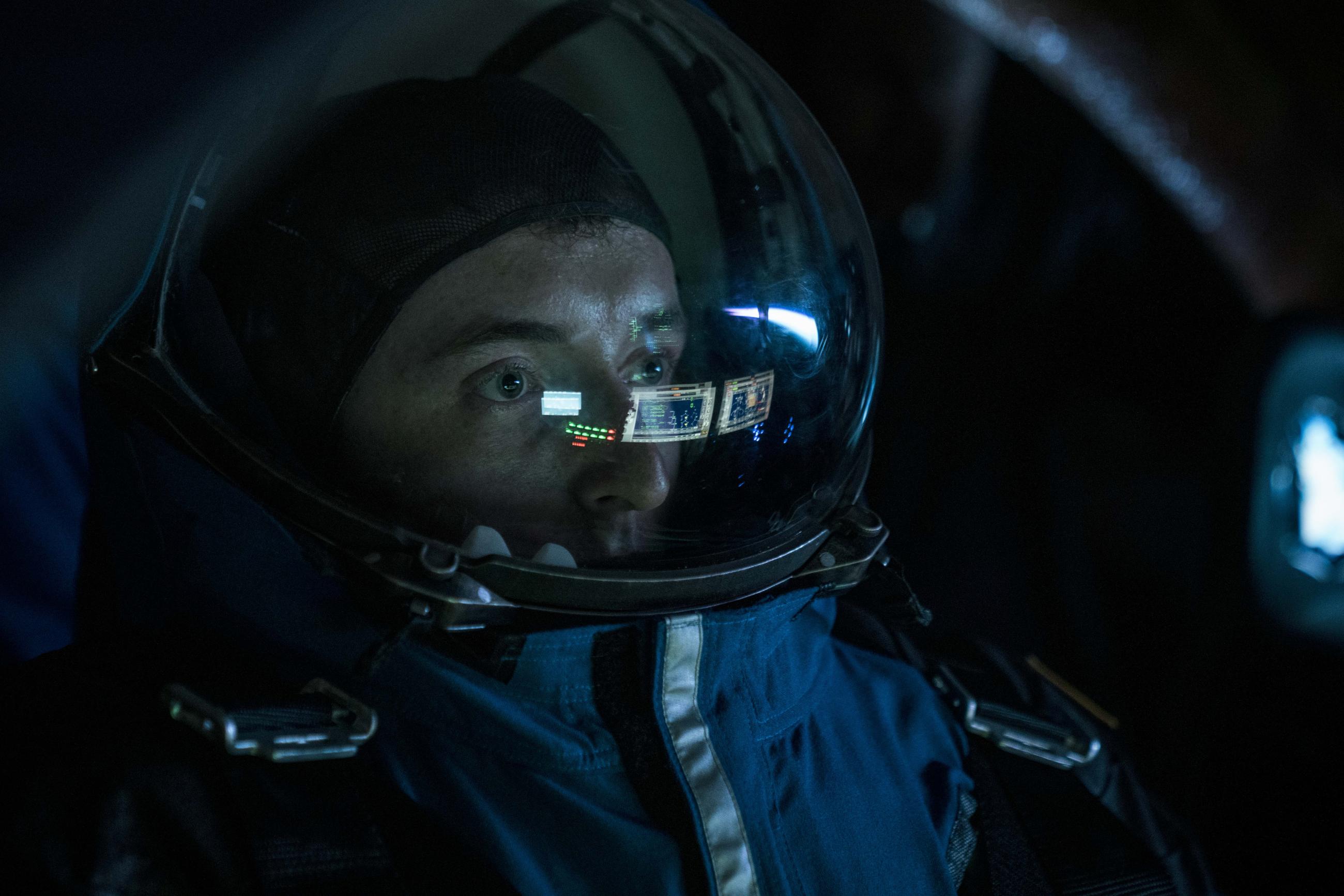
Aspiring LGBTQ+ astronaut Brian Murphy (they/them) during space flight simulations. Murphy is a former winner of the Out Astronaut contest, which sponsors one early career LGBTQ+ scientist to embark on civilian astronaut training to promote diversity in space science, both on Earth and in space.
© Mackenzie Calle, United States, 2nd Place, Professional competition, Creative, 2024 Sony World Photography Awards
Untitled
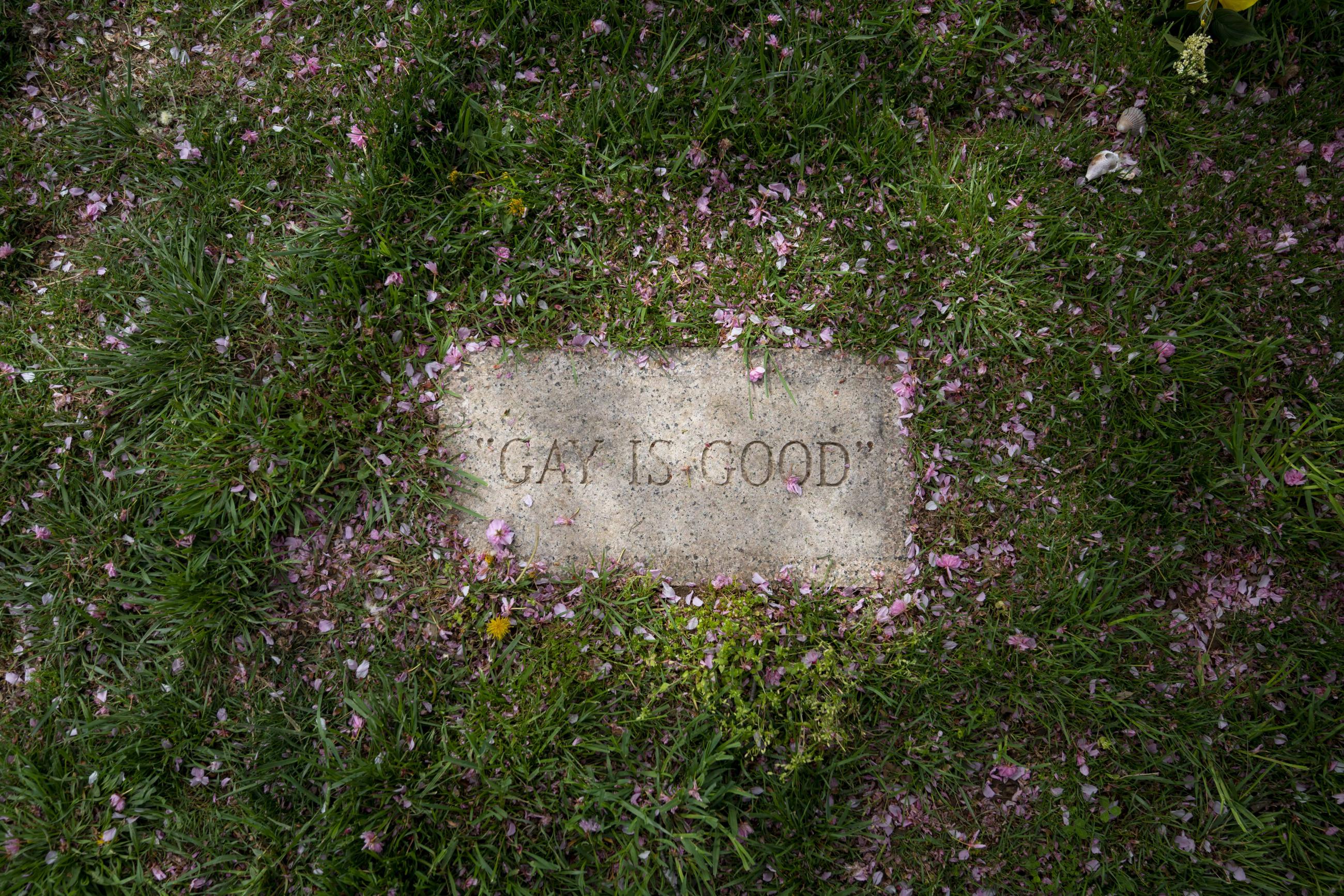
The gravesite of Franklin Kameny at the Congressional Cemetery in Washington D.C. Kameny was an astronomer in the U.S. Army who hoped to one day go into space. He was also one of thousands of homosexual federal employees fired under the Lavender Scare in the mid-twentieth century.
© Mackenzie Calle, United States, 2nd Place, Professional competition, Creative, 2024 Sony World Photography Awards
Untitled
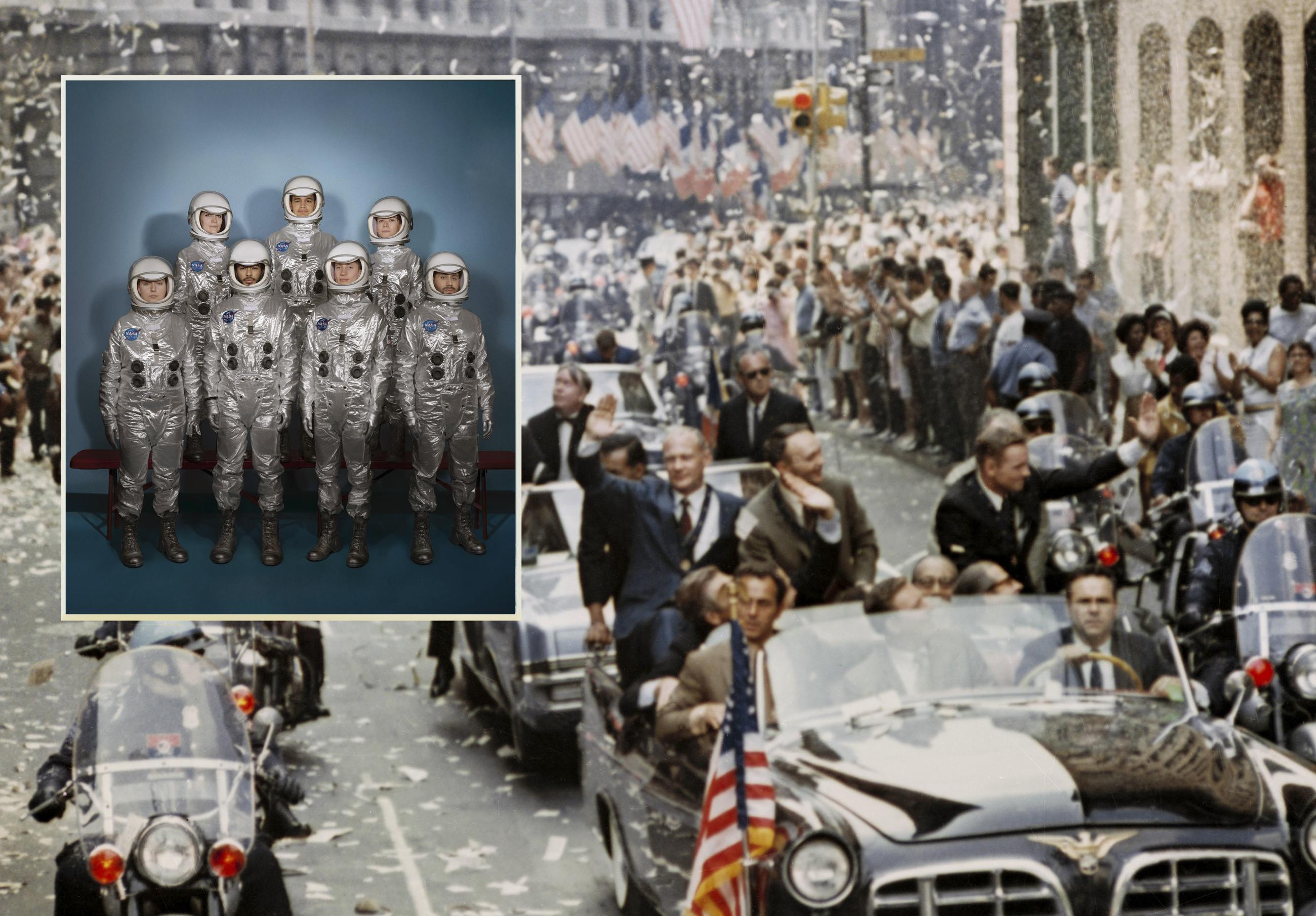
A staged recreation of the original Mercury Seven astronaut group photo from 1960. In this version, the astronauts are portrayed by seven queer people. The image is overlaid on a NASA photograph from the Apollo 11 ticker tape parade in New York City on 13 August 1969.
© Mackenzie Calle, United States, 2nd Place, Professional competition, Creative, 2024 Sony World Photography Awards
Untitled
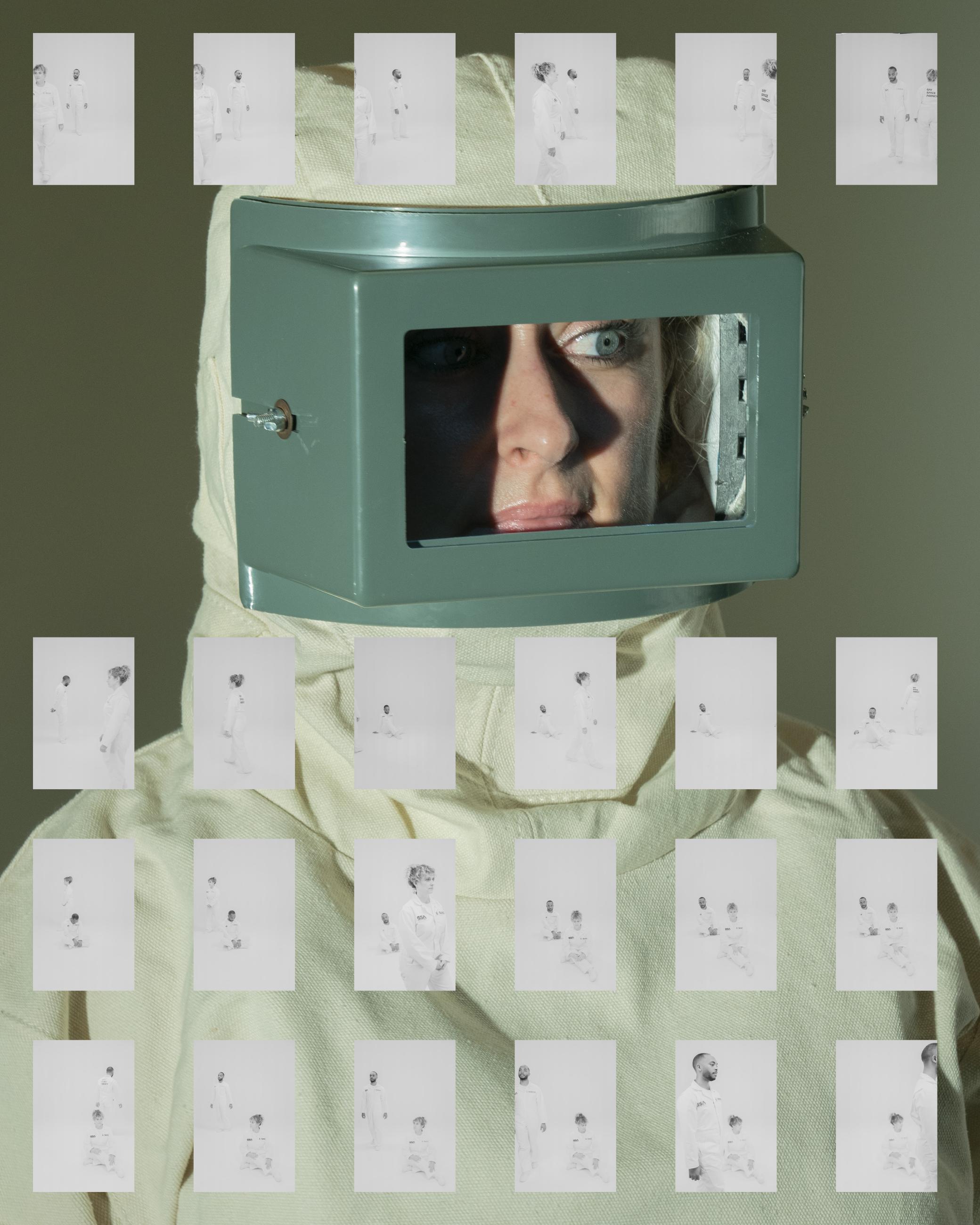
Aspiring LGBTQ+ astronaut Dr. Brandy Nunez (she/her) during a fictional, staged space suit test. The image is overlaid with images from Nunez and Issac Charles Anderson’s (he/him) staged isolation tests. Isolation tests are imperative for any crew, as they ensure that the crew can work together in stressful situations.
© Mackenzie Calle, United States, 2nd Place, Professional competition, Creative, 2024 Sony World Photography Awards
Untitled
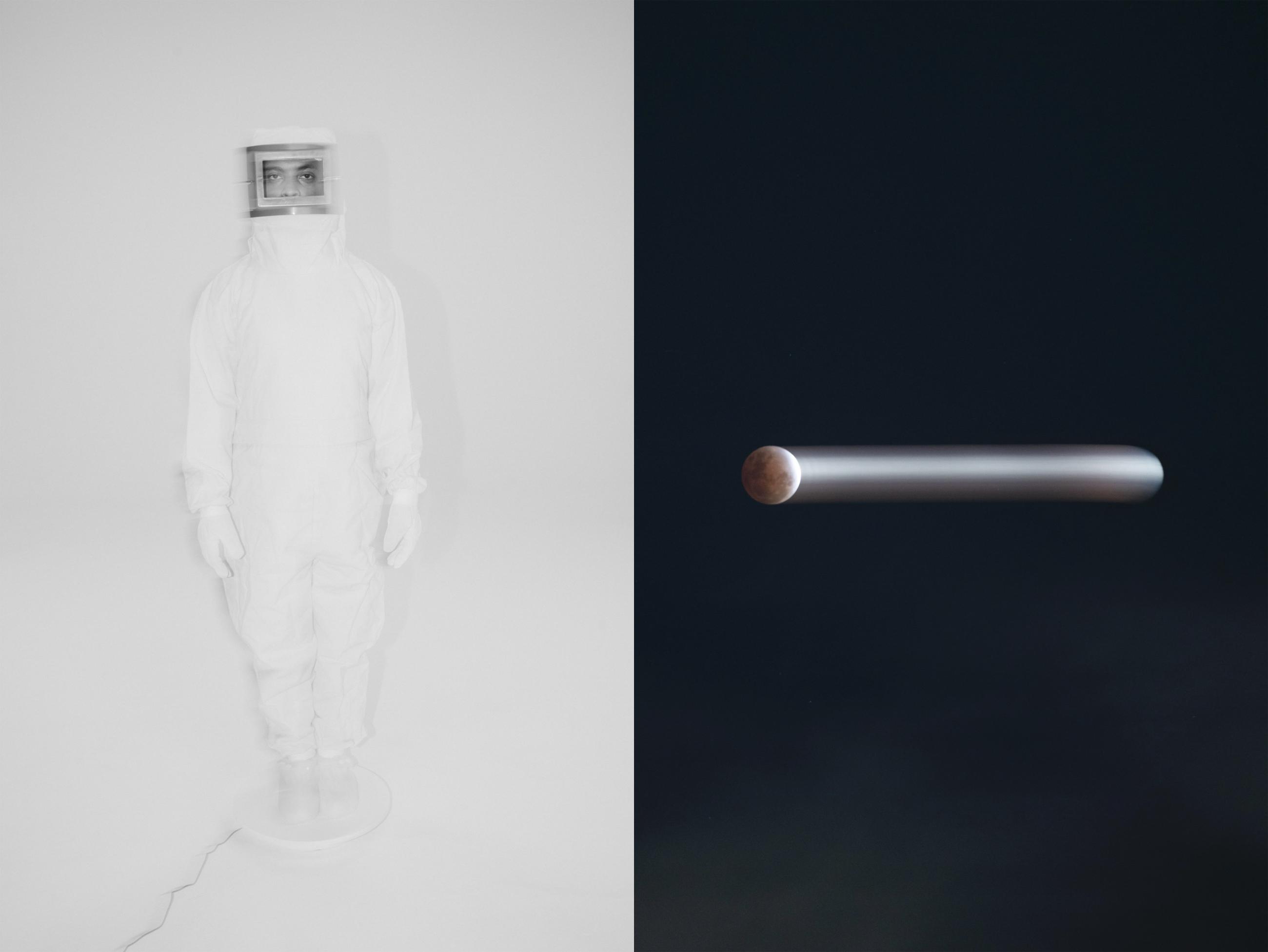
Staged space suit test (left) that imagines aspiring LGBTQ+ astronaut Issac Charles Anderson (he/him) has been selected to go to the moon. Anderson is the current winner of the Out Astronaut contest, which sponsors one early career LGBTQ+ scientist to embark on civilian astronaut training to promote diversity in space science, both on Earth and in space.
The image sits alongside a long exposure of a lunar eclipse (right). The next phase of the American space program, Artemis, aims to not only return humans to the moon, but establish a long-term presence on the surface, starting in 2026.
© Mackenzie Calle, United States, 2nd Place, Professional competition, Creative, 2024 Sony World Photography Awards
Untitled
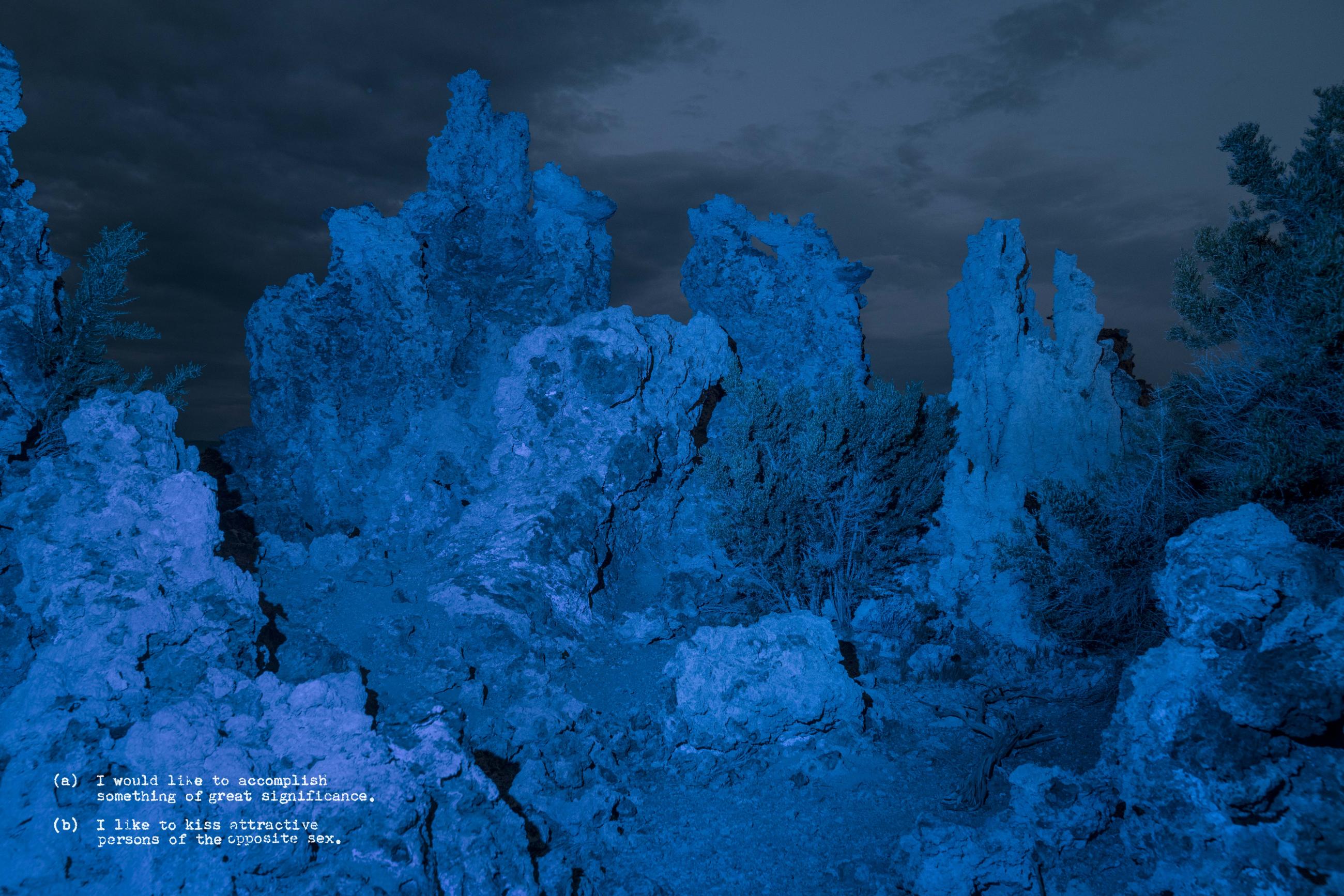
A question from the Edwards Personal Preference Schedule (EPPS). EPPS was a psychological test used to evaluate astronaut candidates in NASA’s Mercury, Gemini and Apollo programs. The test measured 14 psychological criteria, including heterosexuality. The text is overlaid on a surreal landscape from Mono Lake, California.
© Mackenzie Calle, United States, 2nd Place, Professional competition, Creative, 2024 Sony World Photography Awards