

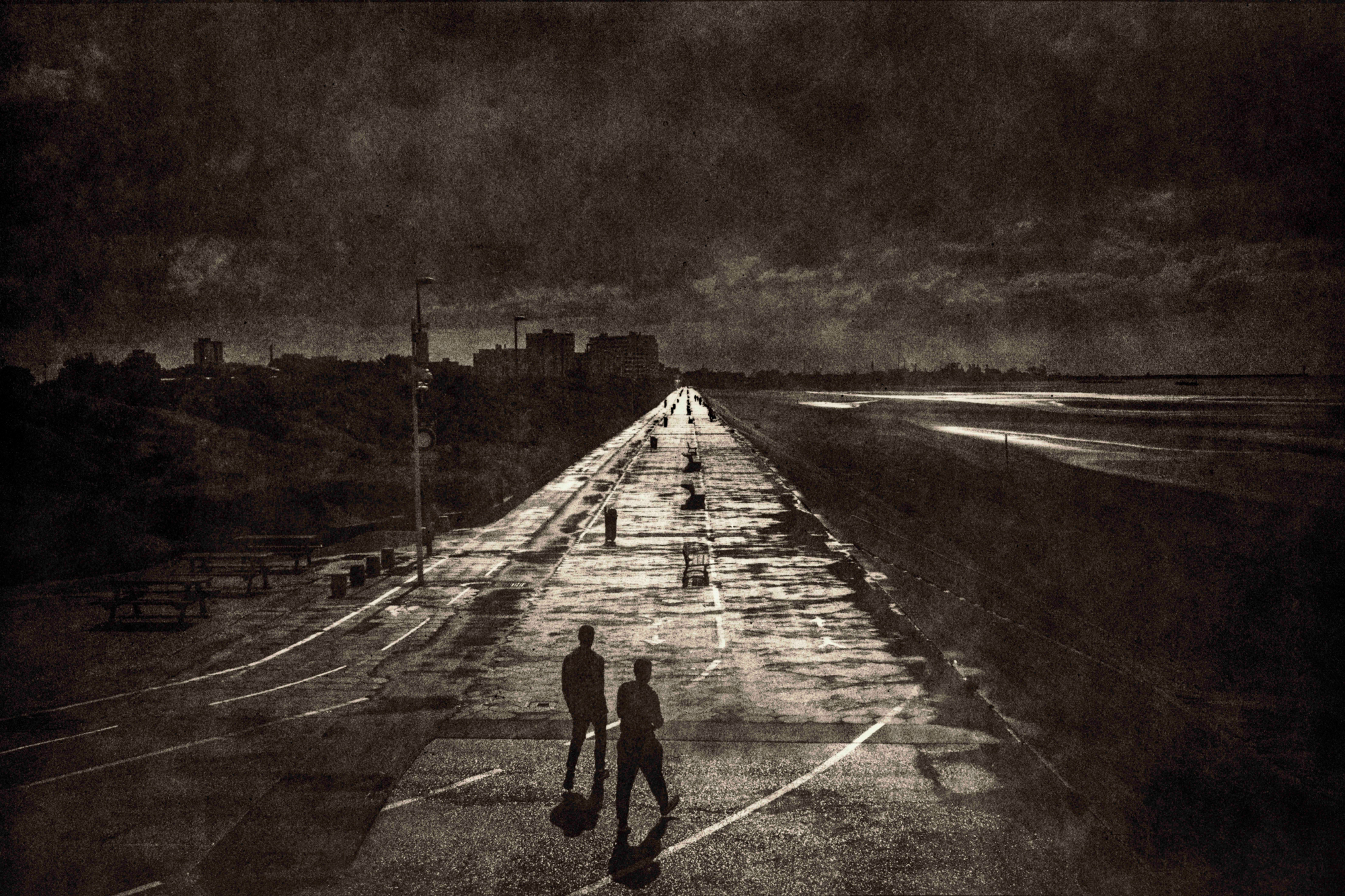
Series description
In the summer of 1959, Pier Paolo Pasolini got behind the wheel of his Fiat 500 to undertake a complete tour of Italy’s beaches. The series of magazine articles that he wrote about his journey was published as a book in the 1990s, and after reading it I decided to set off for a summer-long assault on the French coastline. My journey began on the island where I spent much of my childhood in the family vacation home, but sun-filled memories soon faded before the disenchantment of a scorching summer marked by major economic, health and climatic upheavals. Lightness gave way to the heaviness of what seems to be a profound paradigm shift, and my ‘long sandy road’ became the crossroads of worlds. In a game of counter-types my photographs experiment with the random, organic alteration of digital images printed on long-out-of-date photographic paper from the 1970s, combined with lith developer.
Biography
After training in photography, Romain contracted Keratoconus, a disease that progressively deformed his corneas. During these years of illness, he explored intimacy through introspective series fed by his doubts. In 2009, a cornea transplant saved his sight. It was a new birth. Since then, he travels to document the human condition in all its social, economic and political aspects.
Very sensitive to the notions of freedom and universality, he develops an immersion approach by sharing the daily life of his subjects for months, even years. First in Senegal, but especially in Algeria, he is directly confronted with the suffering of a population subjected to issues that go far beyond them. For more than five years, he followed the youth of the working class districts of Algiers, recounting the boredom, frustration and lack of dreams of these young people who consider themselves a lost generation. A work that finally documents the deep reasons for the revolt that Algeria faced in 2019.
This work received the World Press Photo story of the year award.
He continues in the West Bank, with the first part of a project dealing with the drug problem among Israeli and Palestinian youth.
Finally, blocked by the covid crisis, he travelled for a whole summer along the French coast in order to take an intimate and sensitive look at the French and their countries in these times marked by crises and changes.
"La longue route de sable" is supported by the BNF (Bibliotheque National de France).
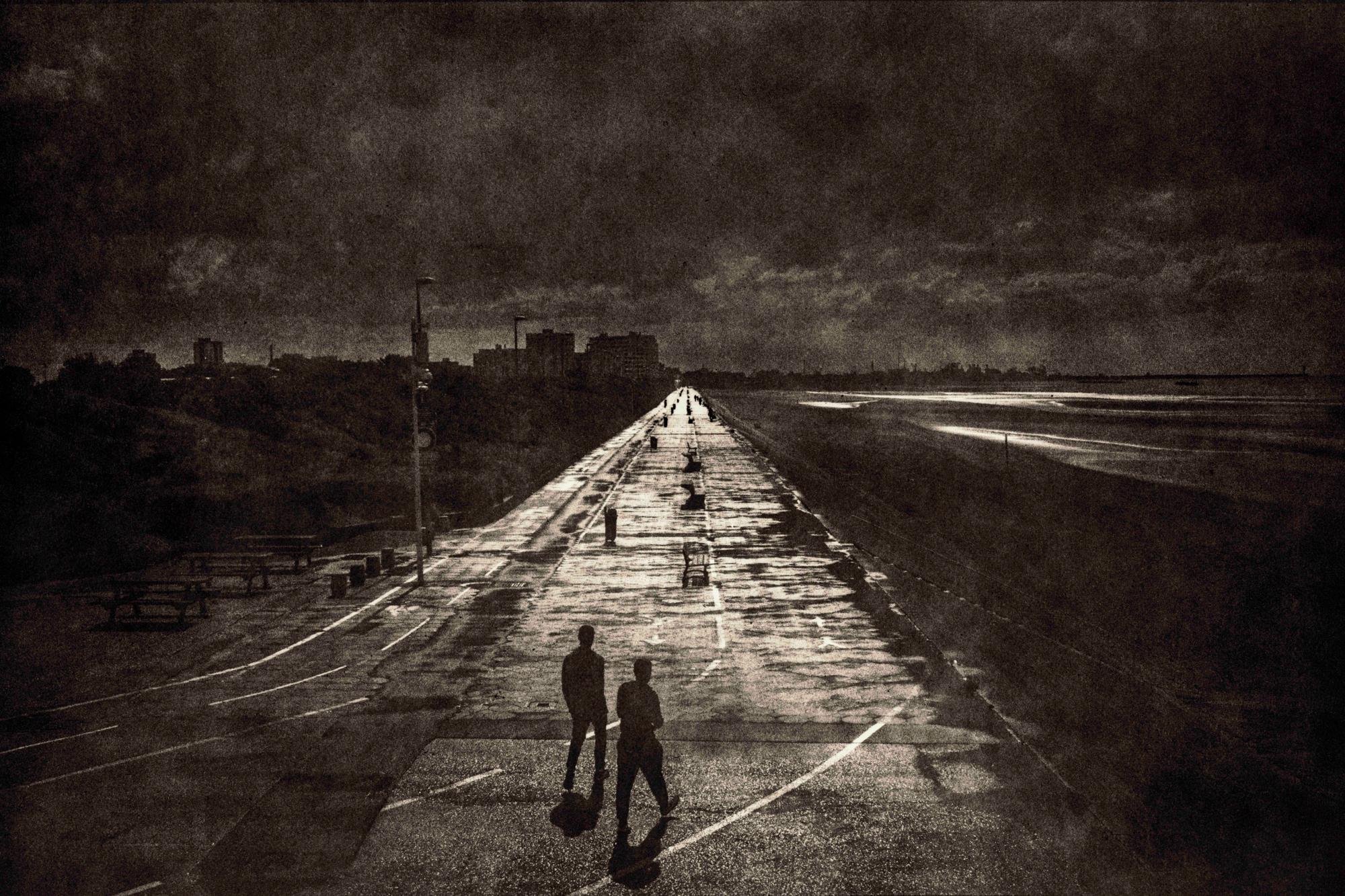
Untitled
Walkers on the Digue du Vent, in Dunkirk, after a rainstorm. Dunkirk is the most northerly major city in France.
© Romain Laurendeau, France, Shortlist, Professional competition, Creative, 2024 Sony World Photography Awards
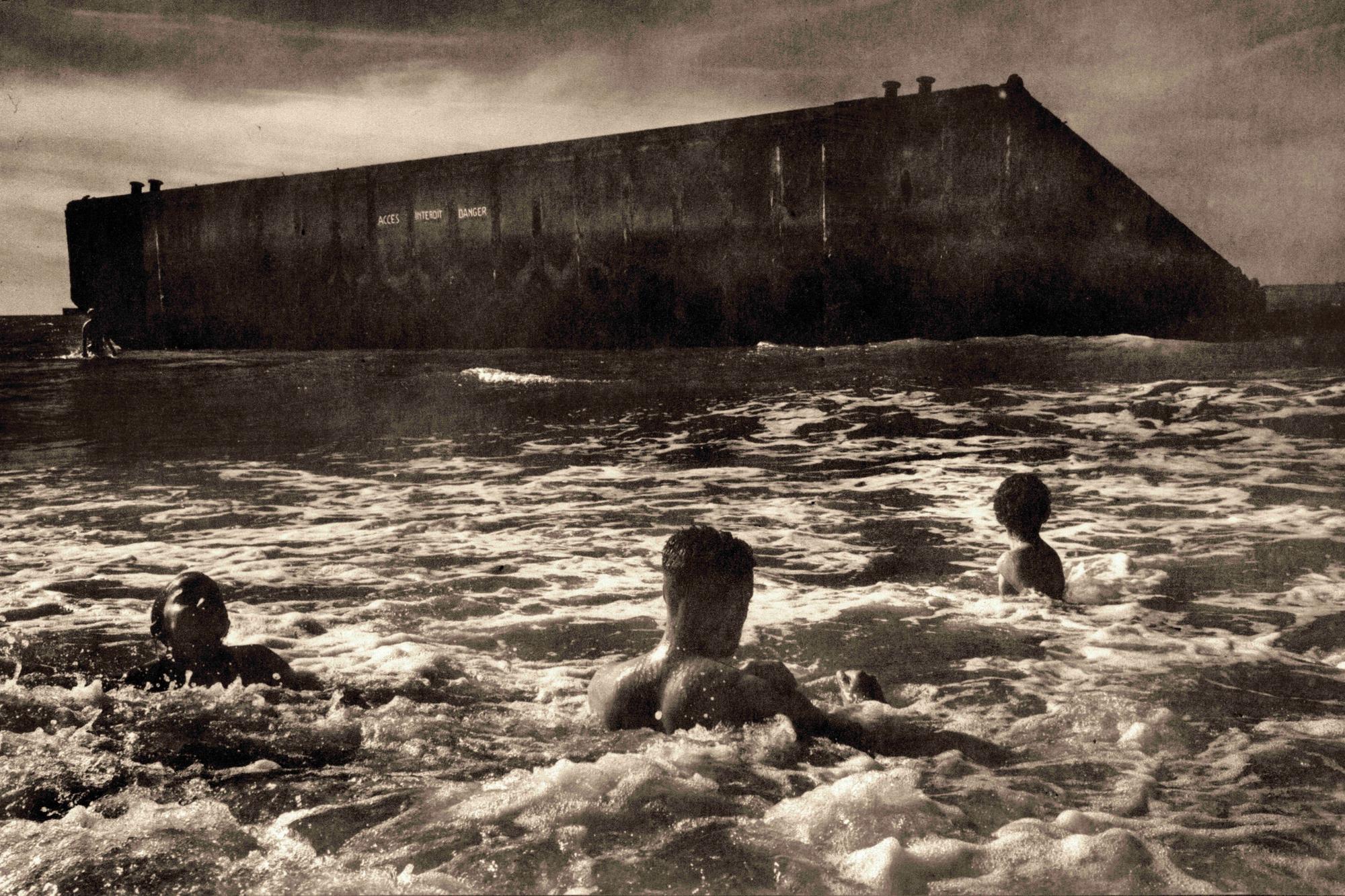
Untitled
A father and his children swim in front of the remains of an artificial harbour built during the Normandy landings of World War II.
© Romain Laurendeau, France, Shortlist, Professional competition, Creative, 2024 Sony World Photography Awards
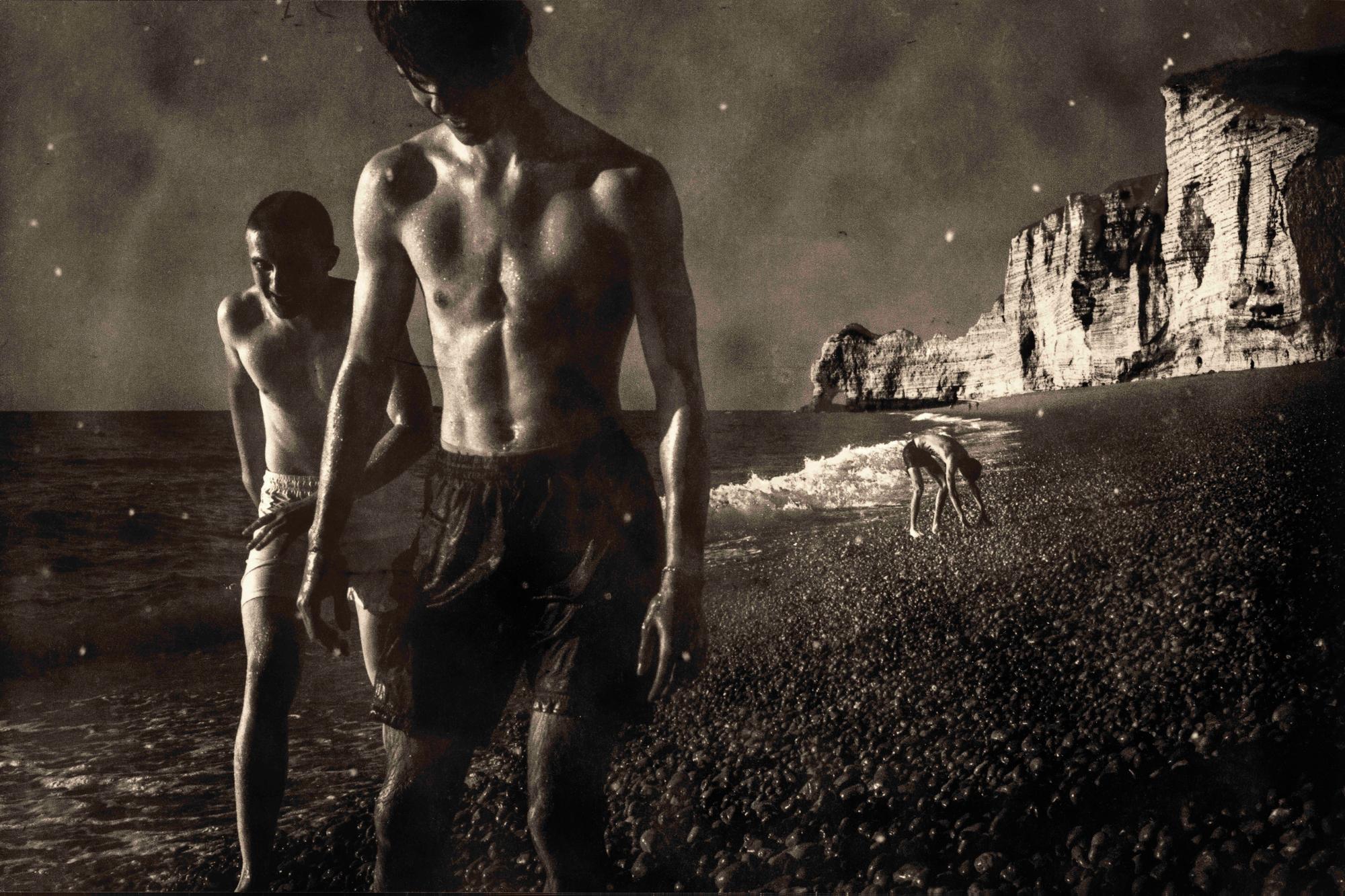
Untitled
Young cyclists after a refreshing swim on the pebble beach at Étretat. Its white chalk cliffs and greyish pebble beaches have made it an international tourist destination, with more than three million visitors a year. Painters such as Albert Marquet, Gustave Courbet, Eugène Boudin and Claude Monet have helped put the town on the map, while writers such as Maupassant and Gustave Flaubert were also regular visitors.
© Romain Laurendeau, France, Shortlist, Professional competition, Creative, 2024 Sony World Photography Awards
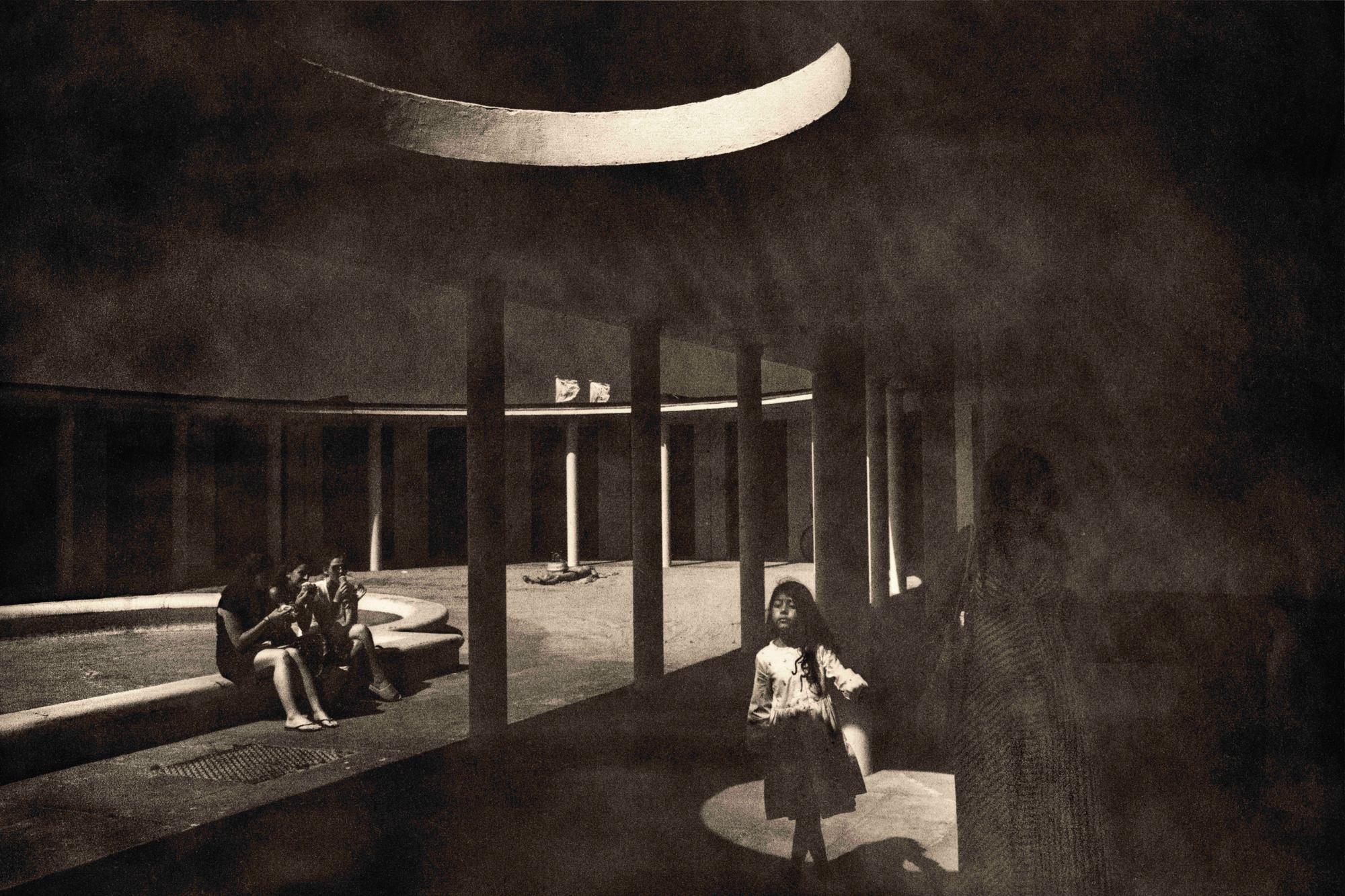
Untitled
A child and her mother amid the art deco cabins on the beach at Deauville. With its casino, palaces, listed villas, racecourses, marinas, convention centre, American Film Festival, golf courses and nightclubs, Deauville is regarded as one of the most prestigious towns in France.
© Romain Laurendeau, France, Shortlist, Professional competition, Creative, 2024 Sony World Photography Awards
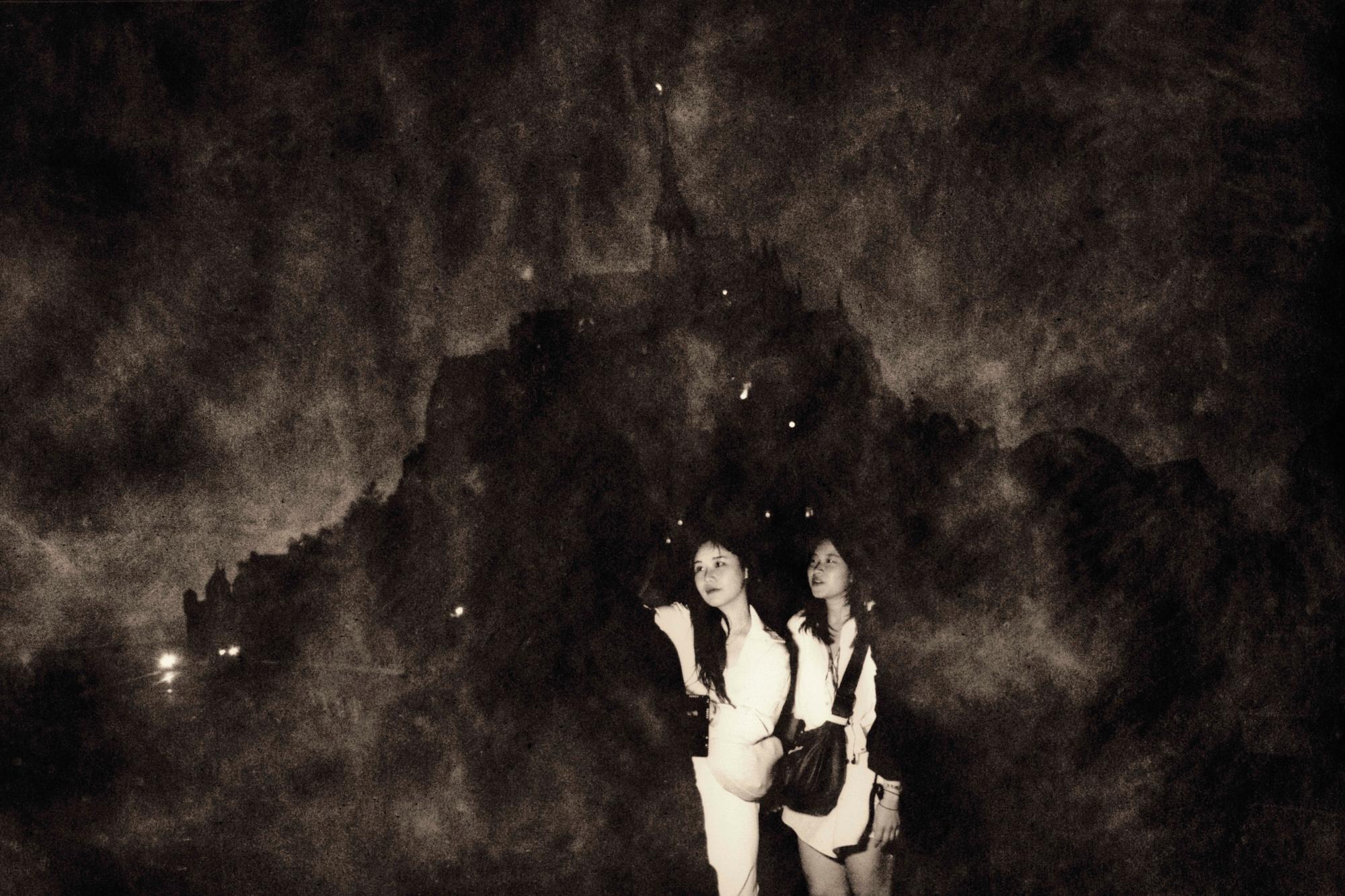
Untitled
Tourists lighting up for a selfie in front of Mont-Saint-Michel. Mont-Saint-Michel was built on a rocky islet and is surrounded by a superb bay which, along with the Mont, is a UNESCO World Heritage Site.
© Romain Laurendeau, France, Shortlist, Professional competition, Creative, 2024 Sony World Photography Awards
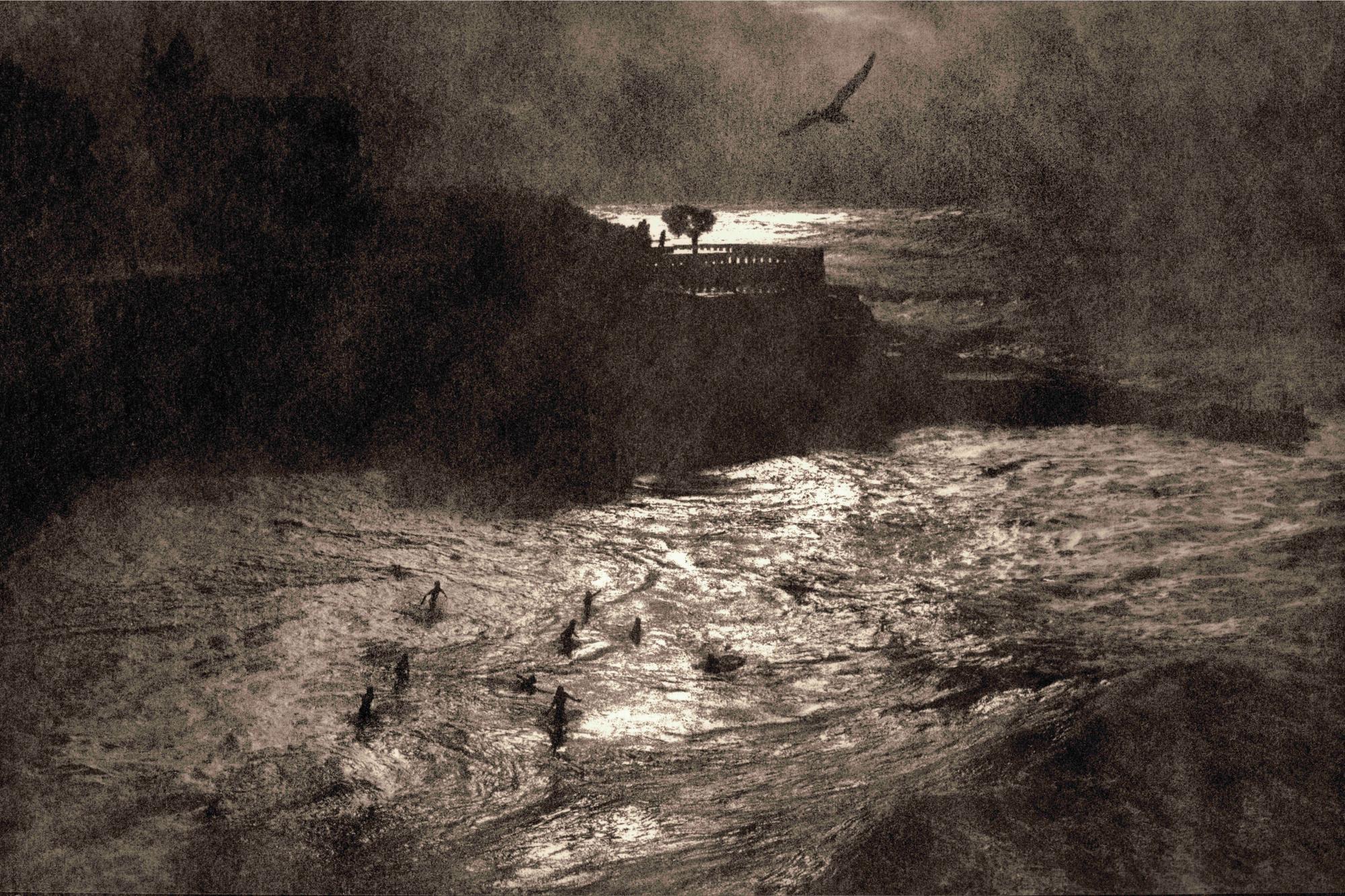
Untitled
Young lifeguards in the waves at Port Vieux beach in Biarritz. This elegant seaside town on the Basque coast in south-west France was a popular holiday destination for European royalty in the 1800s. The area is also popular with surfers.
© Romain Laurendeau, France, Shortlist, Professional competition, Creative, 2024 Sony World Photography Awards
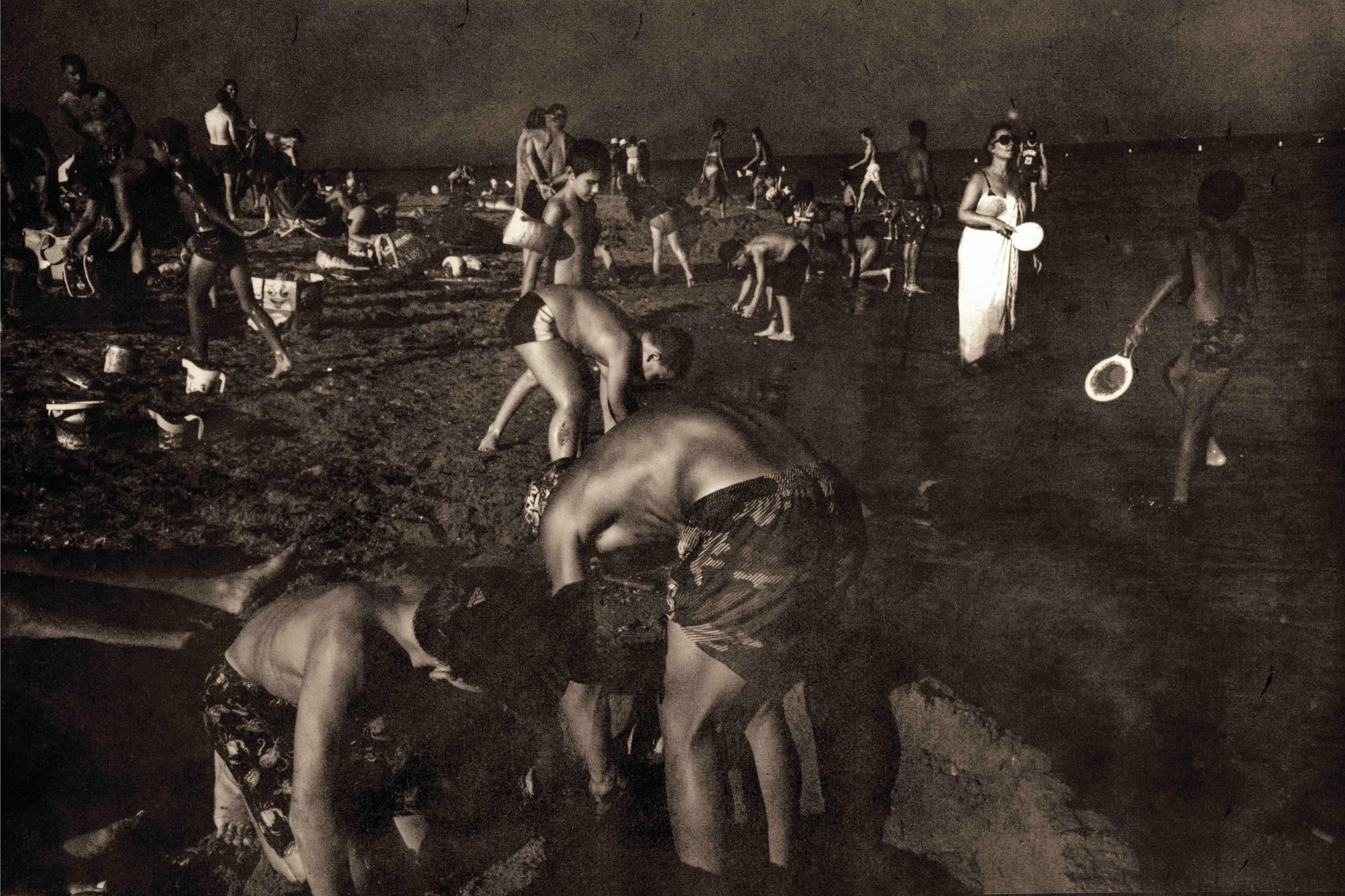
Untitled
A woman playing beach rackets among the other holidaymakers at Cap d’Agde, a popular seaside resort built in the 1970s to cater for mass tourism.
© Romain Laurendeau, France, Shortlist, Professional competition, Creative, 2024 Sony World Photography Awards
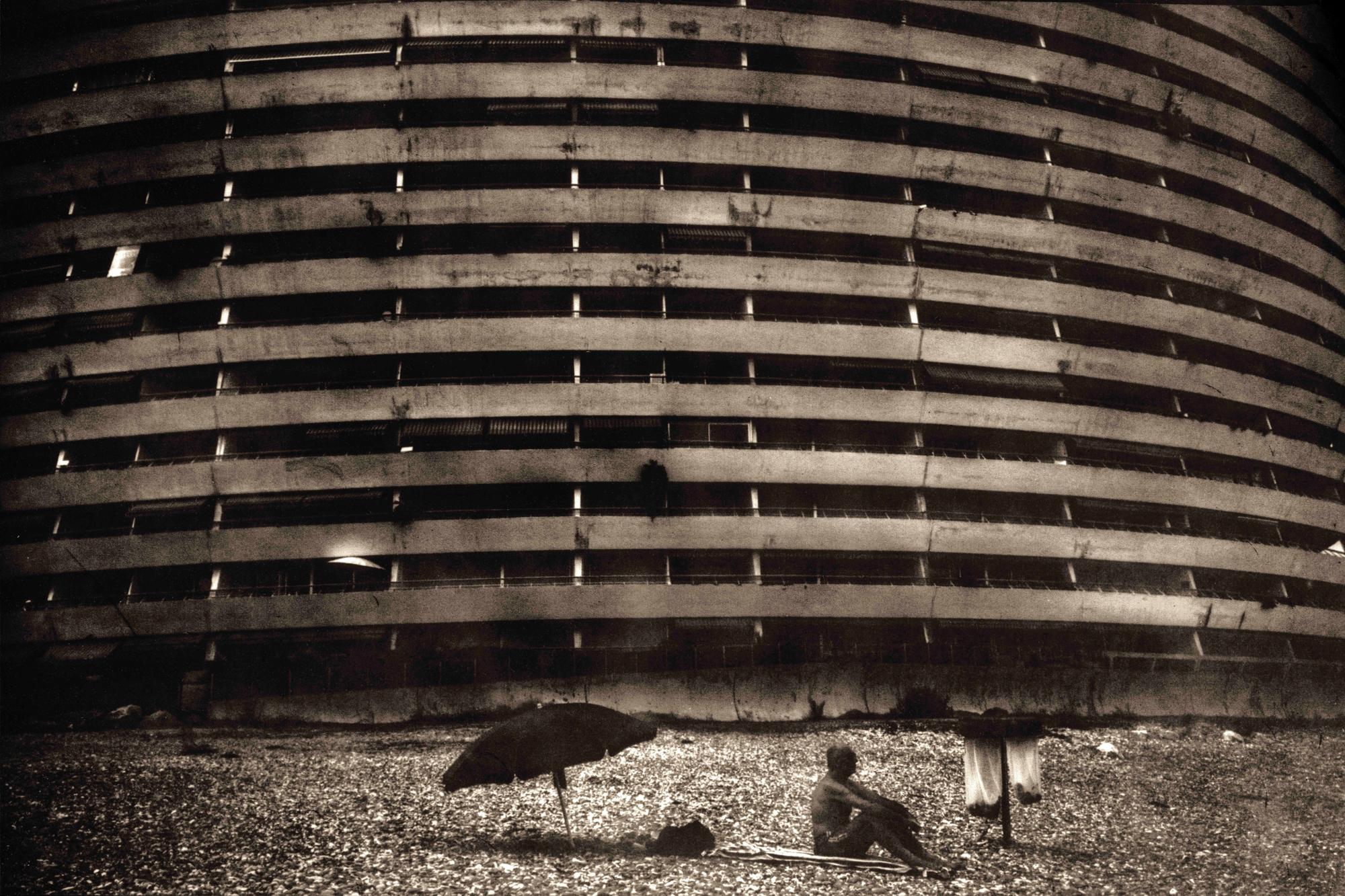
Untitled
A man sitting on a pebble beach at the foot of the Marina Baie des Anges building in Villeneuve Loubet. The Marina Baie des Anges complex contains 1,300 flats in four concrete, seafront buildings.
© Romain Laurendeau, France, Shortlist, Professional competition, Creative, 2024 Sony World Photography Awards