

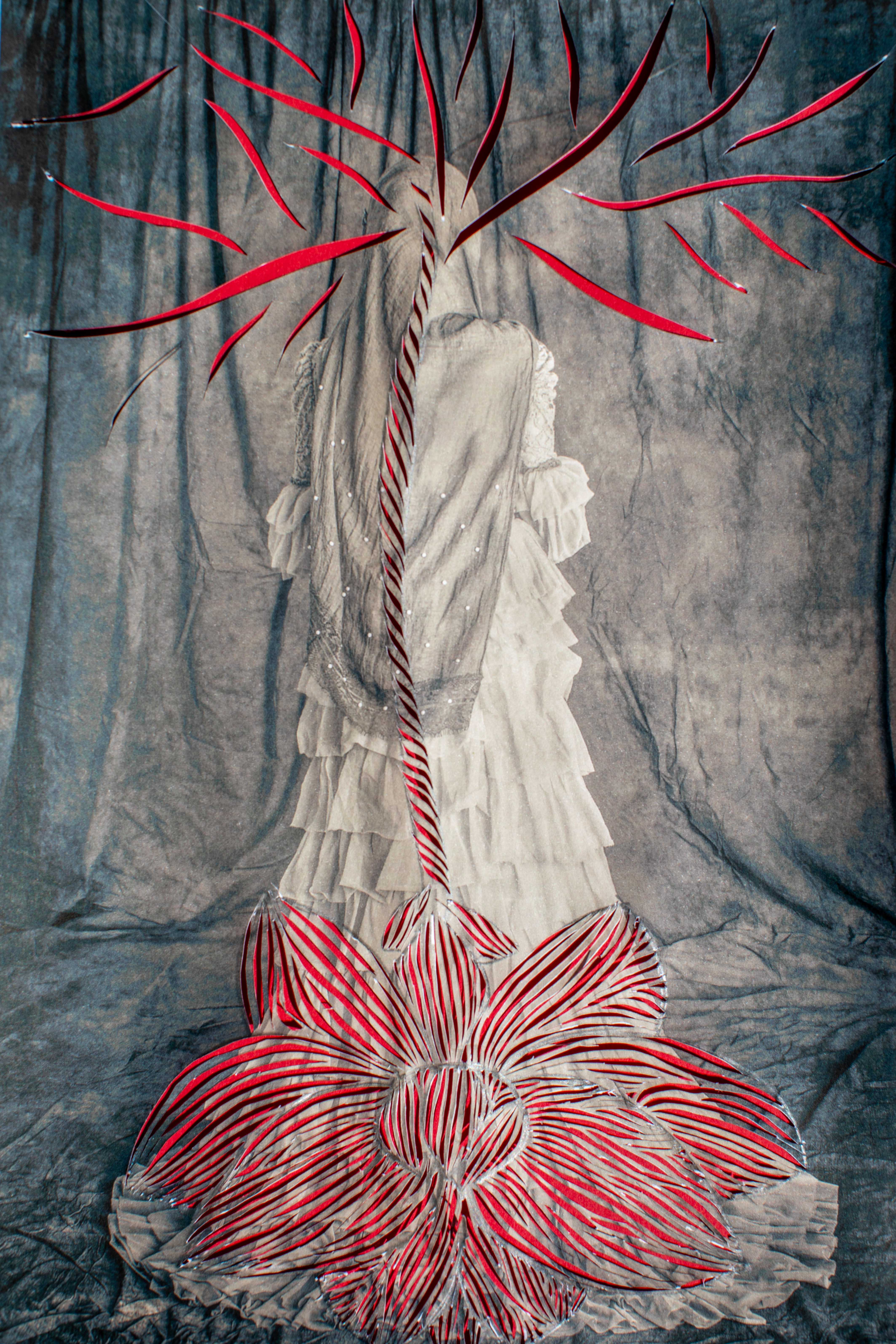
Series description
Derived from the ancient Asian form of torture of lingchi (known death by a thousand ), A Thousand Cuts is an ongoing series of portraits and stories that present a photographic study of patterns of domestic abuse in the South Asian community. I have borrowed the metaphorical meaning of lingchi to showcase the cyclical nature of domestic abuse. The continuous act of chipping at the soul of the abused is expressed by making cuts on the portrait of the participant, while the prints are made on thin paper to depict the fragility of the existence. The final artwork is photographed in a tight crop to create a sense of suffocation and absence of room for movement.
Biography
I am an Indian born – British photographer. In 2009 I completed masters in International Relations from King’s College London. I have a background in journalism that informs my research based practice. I combine traditional artistic interventions and photography to call attention to the boundary of cultural imperialism, a boundary marked not by the social exile of the “other,” but by the ordinary, the ever-present yet trivialised exile formed by prejudices so fundamental as to not even be noticed.
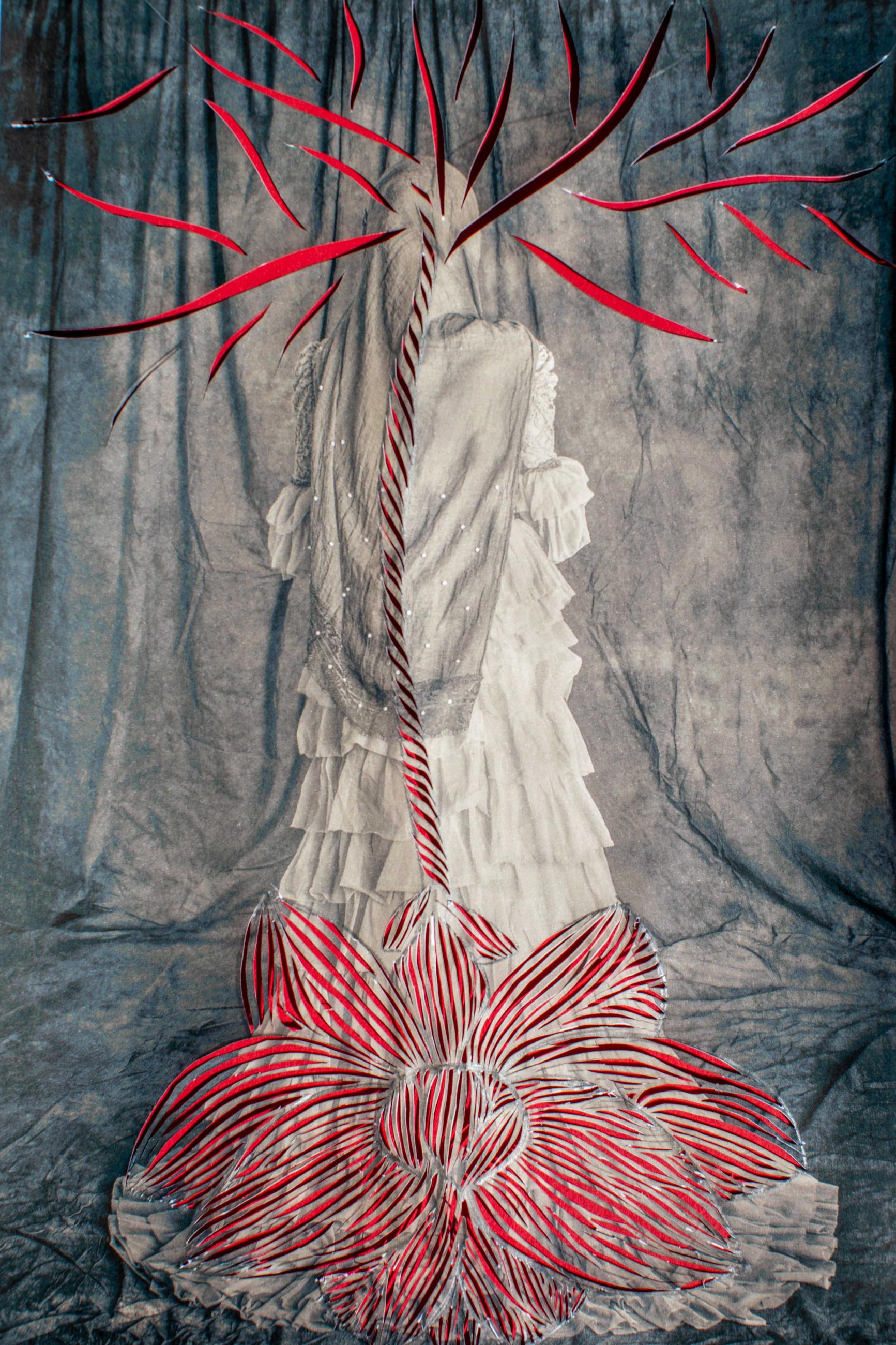
काग़ज़ का फ़ूल (Paper Flower)
It was an arranged marriage. I tried to resist, but we were struggling financially and you know that social pressure… So my mother said: ‘Look, this is a very good option and you won’t get this again. You are getting to go to London.’ As a girl of South Asian background, I was raised to be submissive. You cannot have your own say: ‘A good girl always says yes.’
© Sujata Setia, United Kingdom, 1st Place, Professional competition, Creative, 2024 Sony World Photography Awards
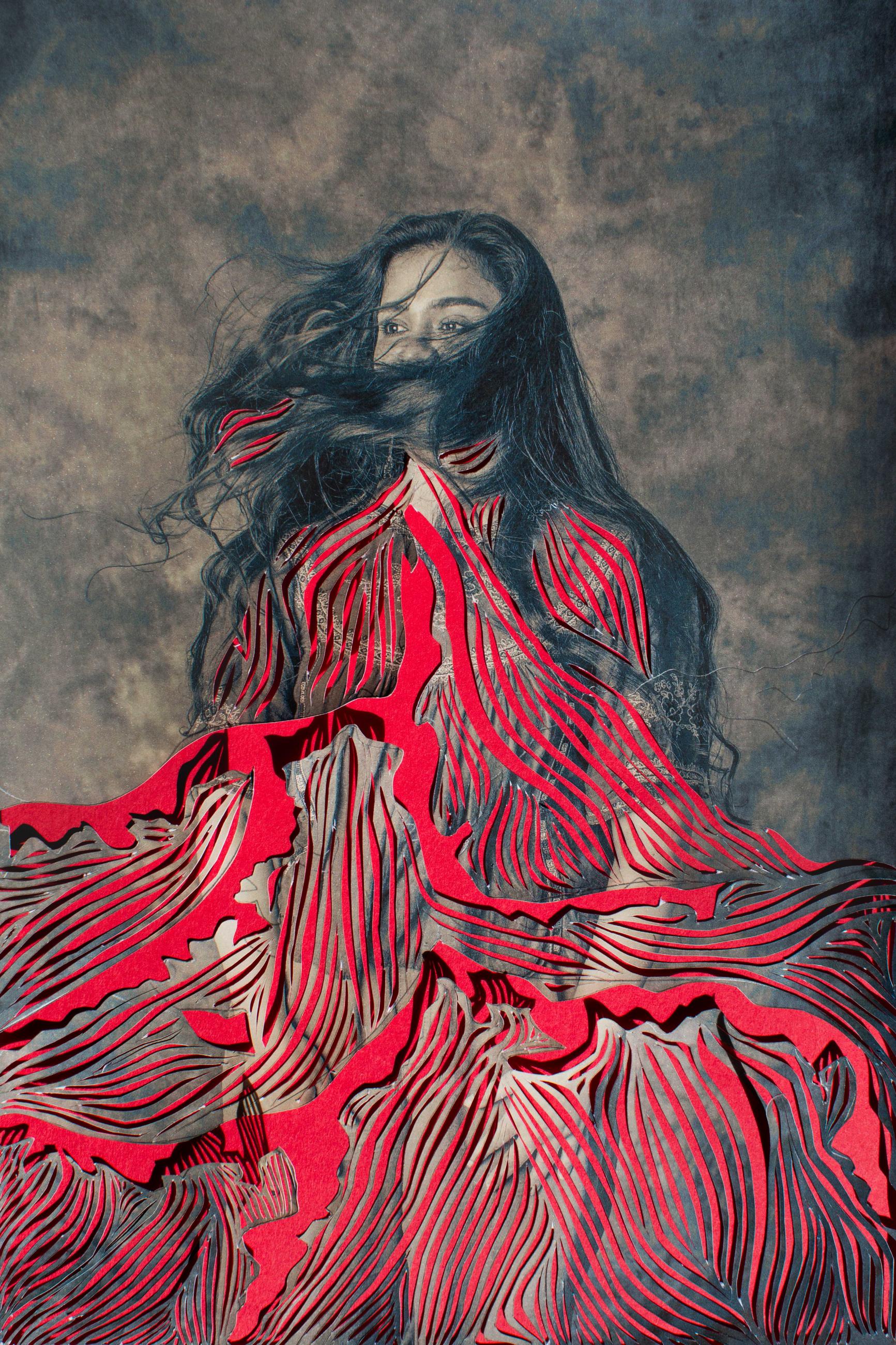
कितनी गिरह? (How Many More Knots?)
We were seven daughters and four sons. When anyone came through the door my father would give our hand to them in marriage.
© Sujata Setia, United Kingdom, 1st Place, Professional competition, Creative, 2024 Sony World Photography Awards
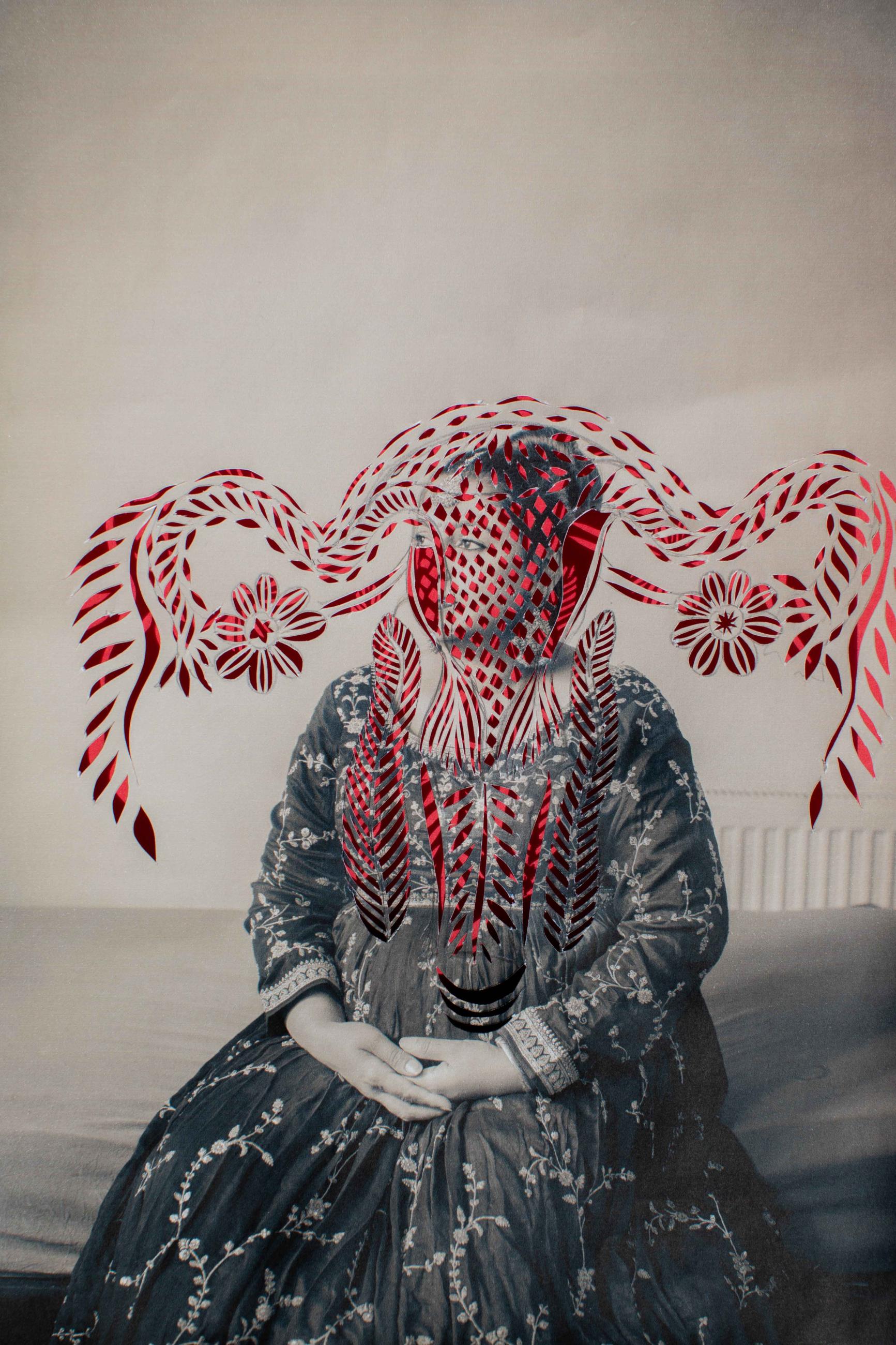
“मेरी हद्द” (The Premise of my Existence)
My parents brought me up with a lot of love. Then someone brought a marriage proposal. The boy came to visit. He was 22 years older than me, but my family told me: ‘It is OK. If he is older then he will obviously love and respect you.’ Now his family has custody of my children. I only get to see them for a few hours every week.
© Sujata Setia, United Kingdom, 1st Place, Professional competition, Creative, 2024 Sony World Photography Awards
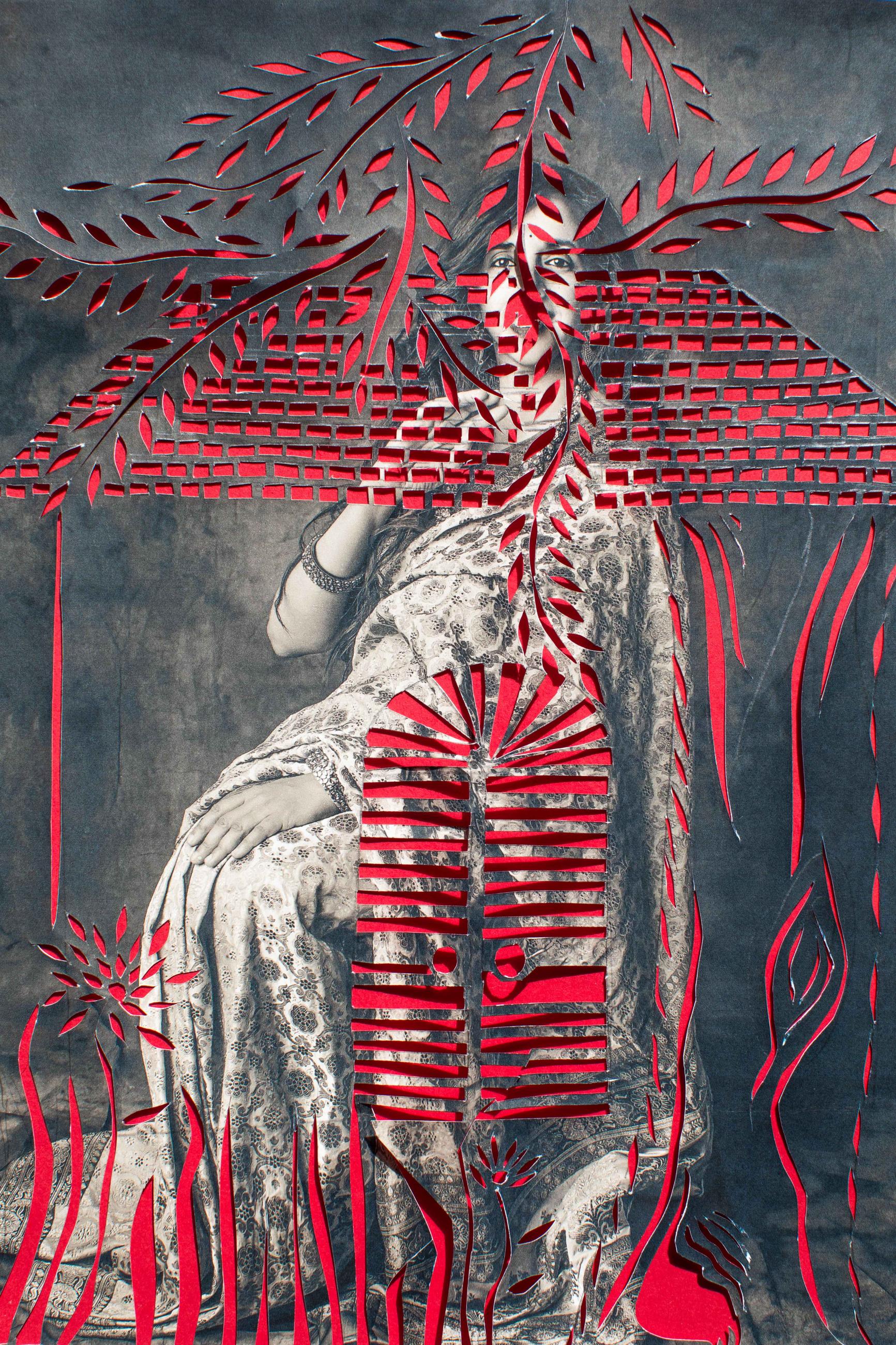
“सर पे छत” (A Place to Call Home)
My parents were my perpetrators. I wish I had a mother like myself, then I wouldn’t be here. When you live with abuse all of your life, ‘love’ means ‘abuse’ to you. After years of abusive relationships I now have a loving partner, but it is strange because I am not used to anyone being nice to me.
© Sujata Setia, United Kingdom, 1st Place, Professional competition, Creative, 2024 Sony World Photography Awards
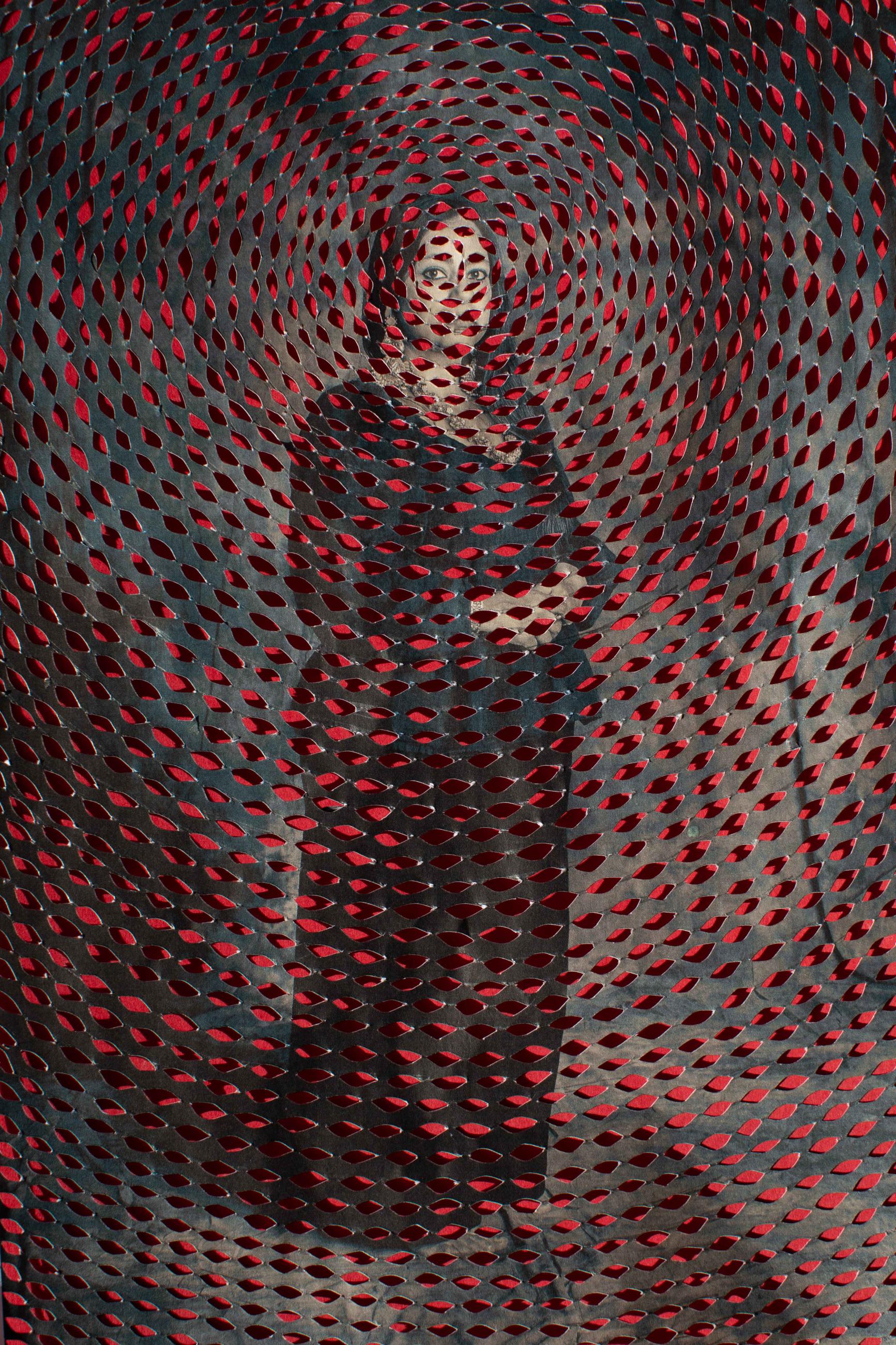
मिट्टी के दायरे (Circles in Sand)
My mother’s womb. It’s from there that I started witnessing the violence. I remember the sound the cement floor made when she was dragged by her hair across it. I was three. I have grown up learning that to be the only sound of music.
© Sujata Setia, United Kingdom, 1st Place, Professional competition, Creative, 2024 Sony World Photography Awards
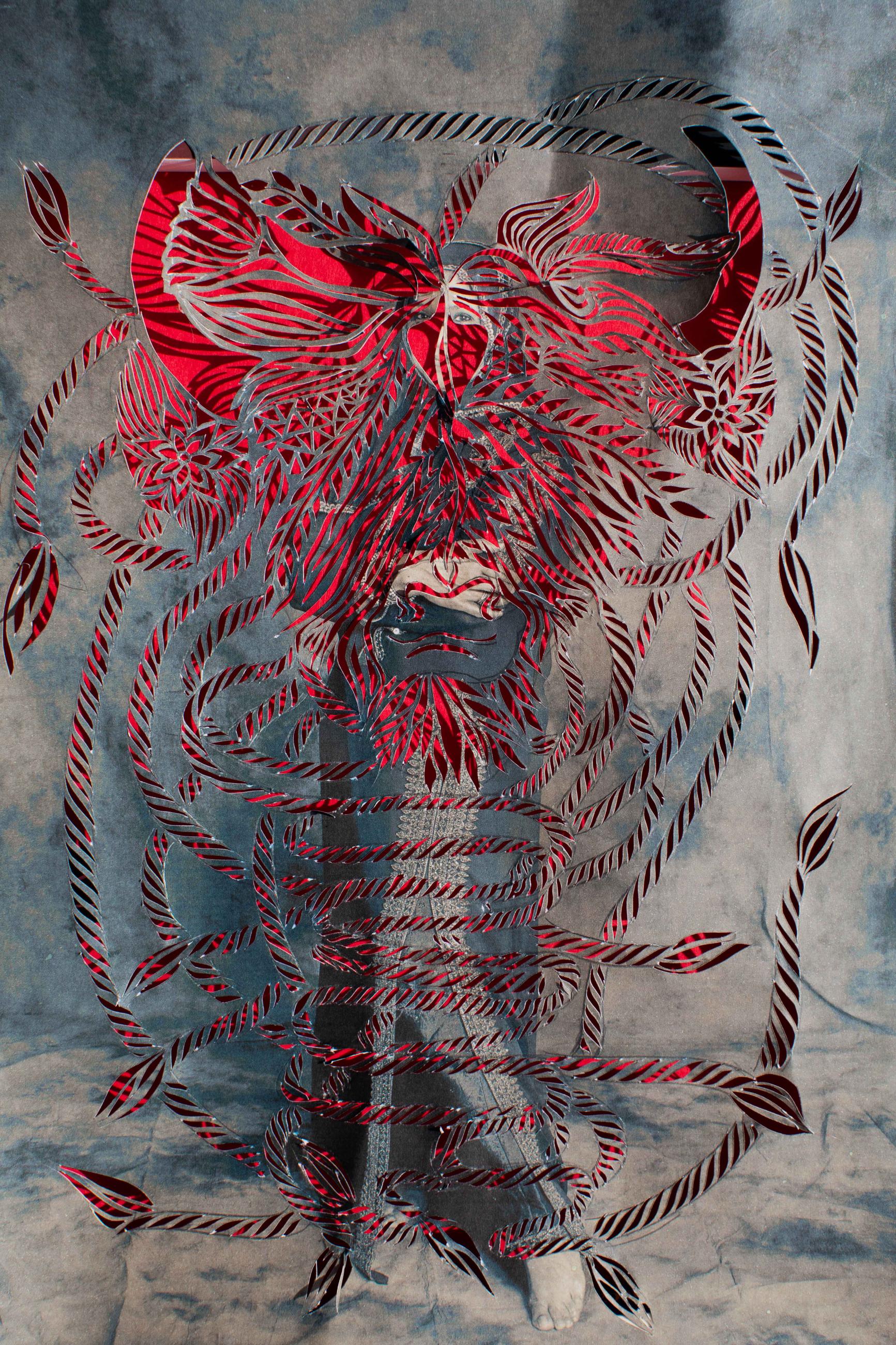
“अल्ला कि गाँए” (God’s Cow)
The abuse was so intense that self harm was my only weapon. But one day he raised his hand to me in front of the children and I lifted a stick and started hitting the door so hard that it almost broke. I don’t know how I got the strength in me, but from that day he did not raise his hand to me again.
© Sujata Setia, United Kingdom, 1st Place, Professional competition, Creative, 2024 Sony World Photography Awards
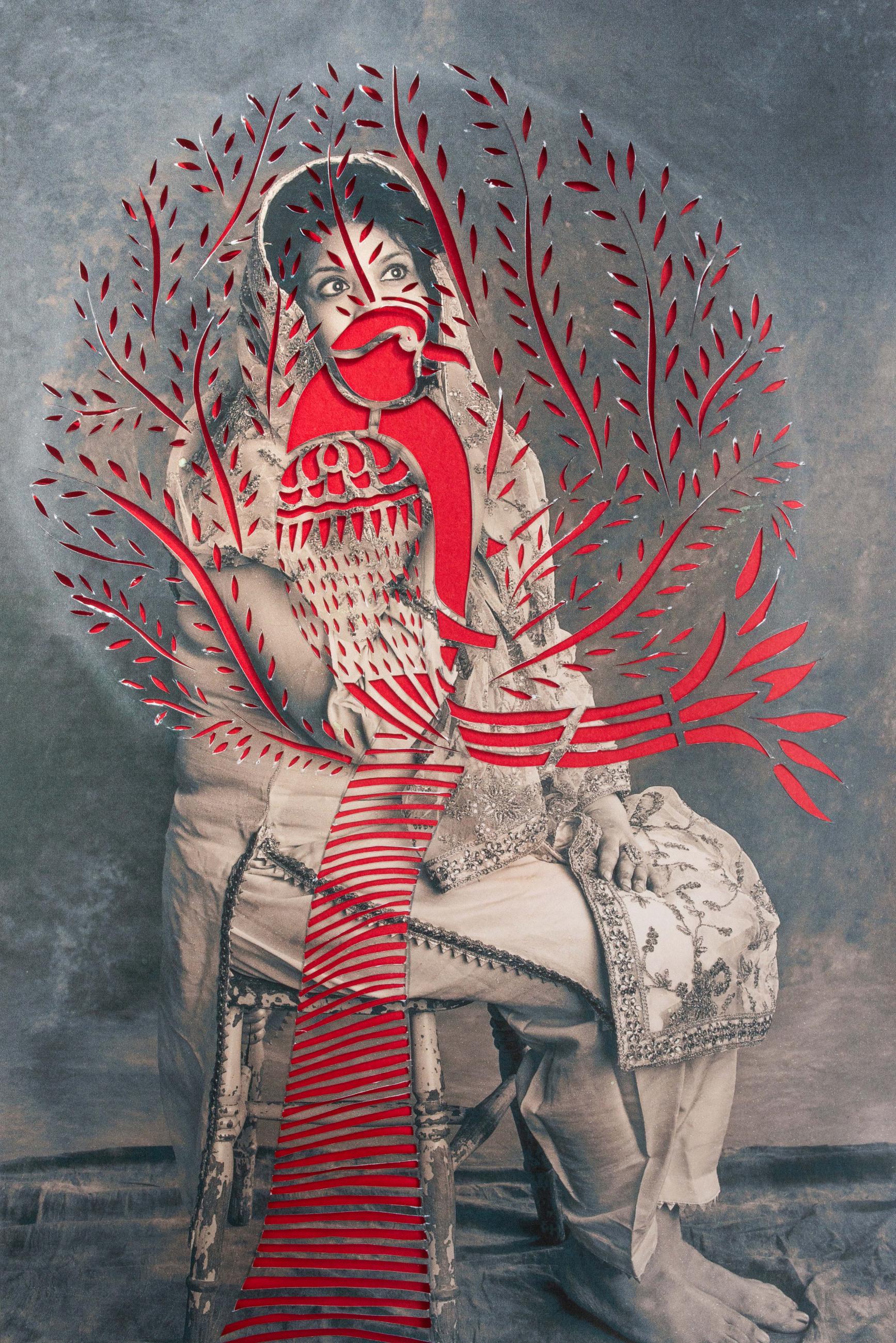
“एक अदभुत परिंदा” (Phoenix)
One of my recurring dreams was of me on the edge of a cliff and I could see a storm rising. I was always foreseeing danger. I would see my house becoming my jail and on the other side I saw panthers. There were days when I would stuff a cloth in my mouth while I cried, so my children couldn’t hear me.
© Sujata Setia, United Kingdom, 1st Place, Professional competition, Creative, 2024 Sony World Photography Awards
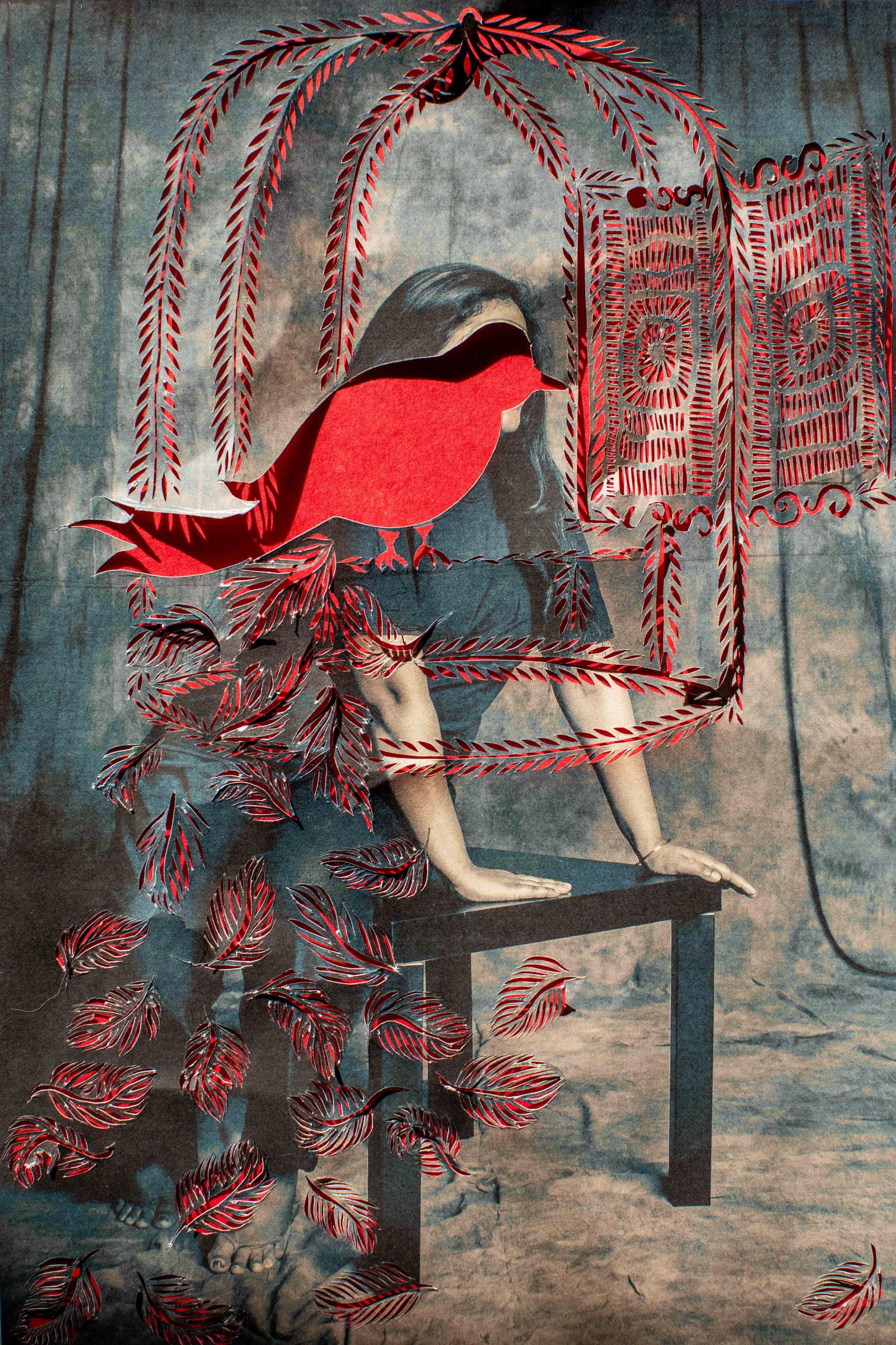
“क़ैद-ए-क़फ़स ” (Prisoner of the Prison)
It was a happy childhood. My father protected us. We did everything he said. He said: ‘I dream of you growing up to be happily married.’ I had that dream too. He said to me: ‘Marry.’ I married. My partner abused me and asked me to leave. He won’t take me back now. I have no dream left.
© Sujata Setia, United Kingdom, 1st Place, Professional competition, Creative, 2024 Sony World Photography Awards