

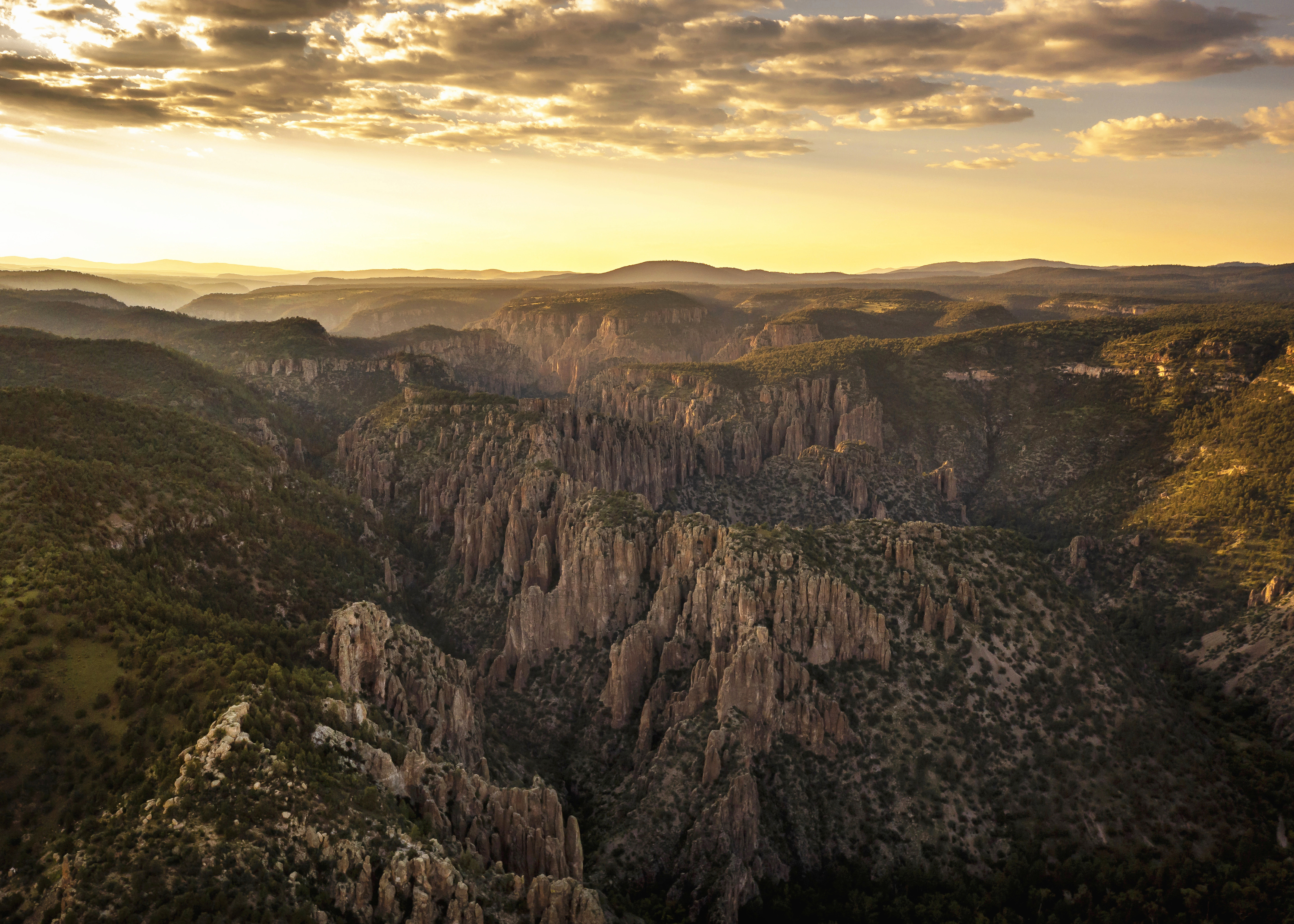
Congratulations to Kathleen Orlinsky for winning the Sustainability Prize this year. This initiative rewarding photographers passionate about communicating the planet’s biggest challenges is part of Creators for the Planet, a global year-round engagement programme set up by Creo and developed in collaboration with the United Nations Foundation and Sony Pictures.
Speaking about her win, Kathleen says: ‘I am thrilled and honoured to be awarded, and especially excited to be able to raise awareness about pressing environmental and conservation issues right now in the throes of the climate crisis.’
Series description
The Gila Wilderness spans 2,250 square kilometres of rugged country in southern New Mexico, USA. In 1924, the Forest Service designated it the world’s first wilderness area. This milestone of American conservation largely came about thanks to a young forester called Aldo Leopold, who saw the wilderness as a place to be protected both for – and from – humans. However, the Gila has always been inhabited by people, from Mogollon cliff dwellers thousands of years ago to the more recent Chiricahua Apache, who lived in the region for centuries before they were forced onto reservations.
Biography
Katie Orlinsky's photography explores a variety of subjects from conflict and social issues to unique subcultures, wildlife, and sports. She is a regular contributor to National Geographic and The New York Times, and has received awards from World Press Photo, Pictures of the Year International, and The Alexia Foundation among others. Since 2014, she has focused on documenting the human stories of our changing planet, exploring how the climate crisis is transforming the relationship between people, animals and the land.
Untitled
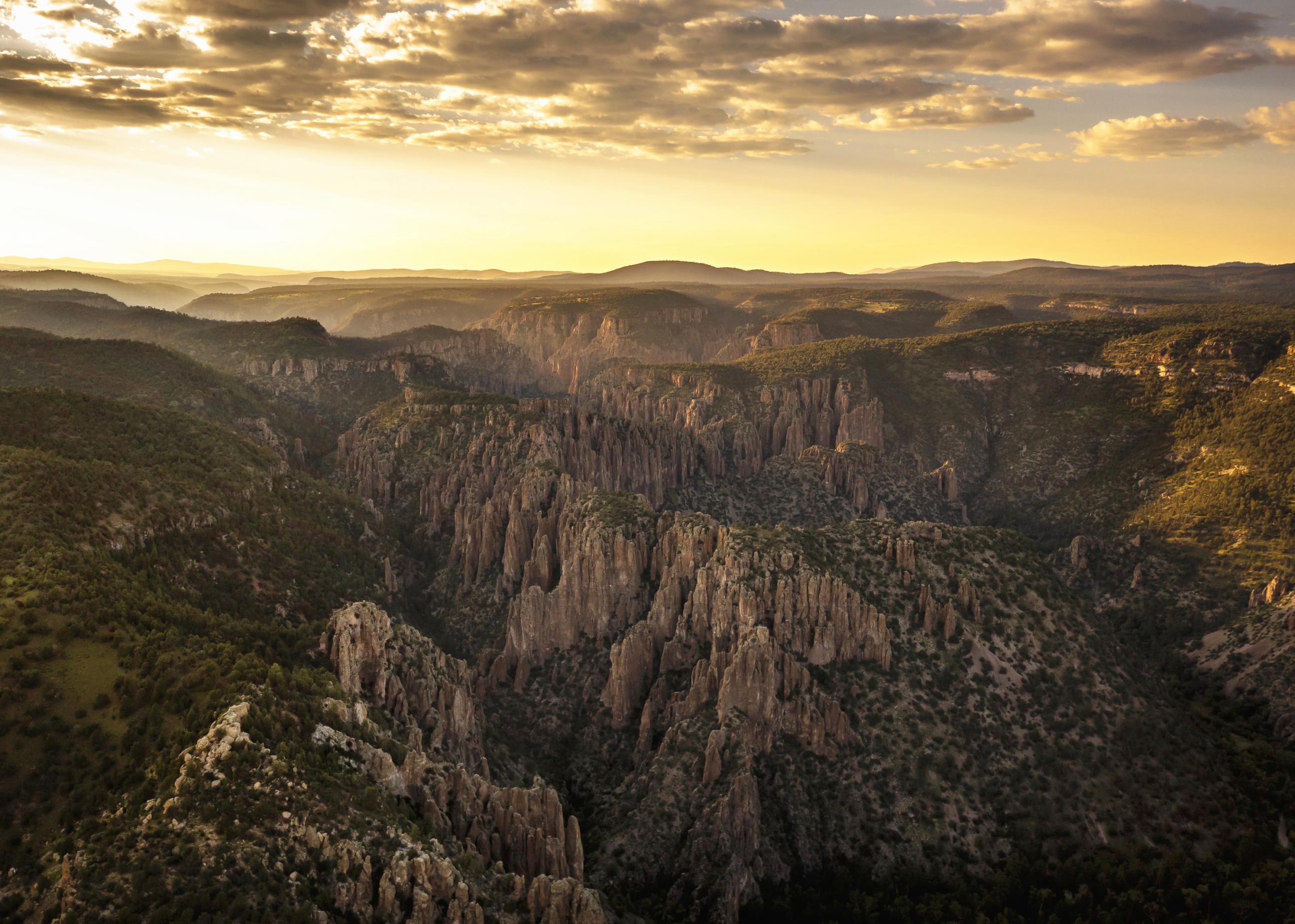
The middle fork of the Gila River in the Gila Wilderness. Located where the Rocky Mountains end and the Sonoran desert begins, the Gila Wilderness encompasses desert, grasslands, pine forests, mountain ranges and the largest undammed river in the American west. The area gave rise to the modern notion of wilderness and inspired a new era of conservation in America.
© Kathleen Orlinsky, United States, Winner, Sustainability Prize, 2024 Sony World Photography Awards
Untitled
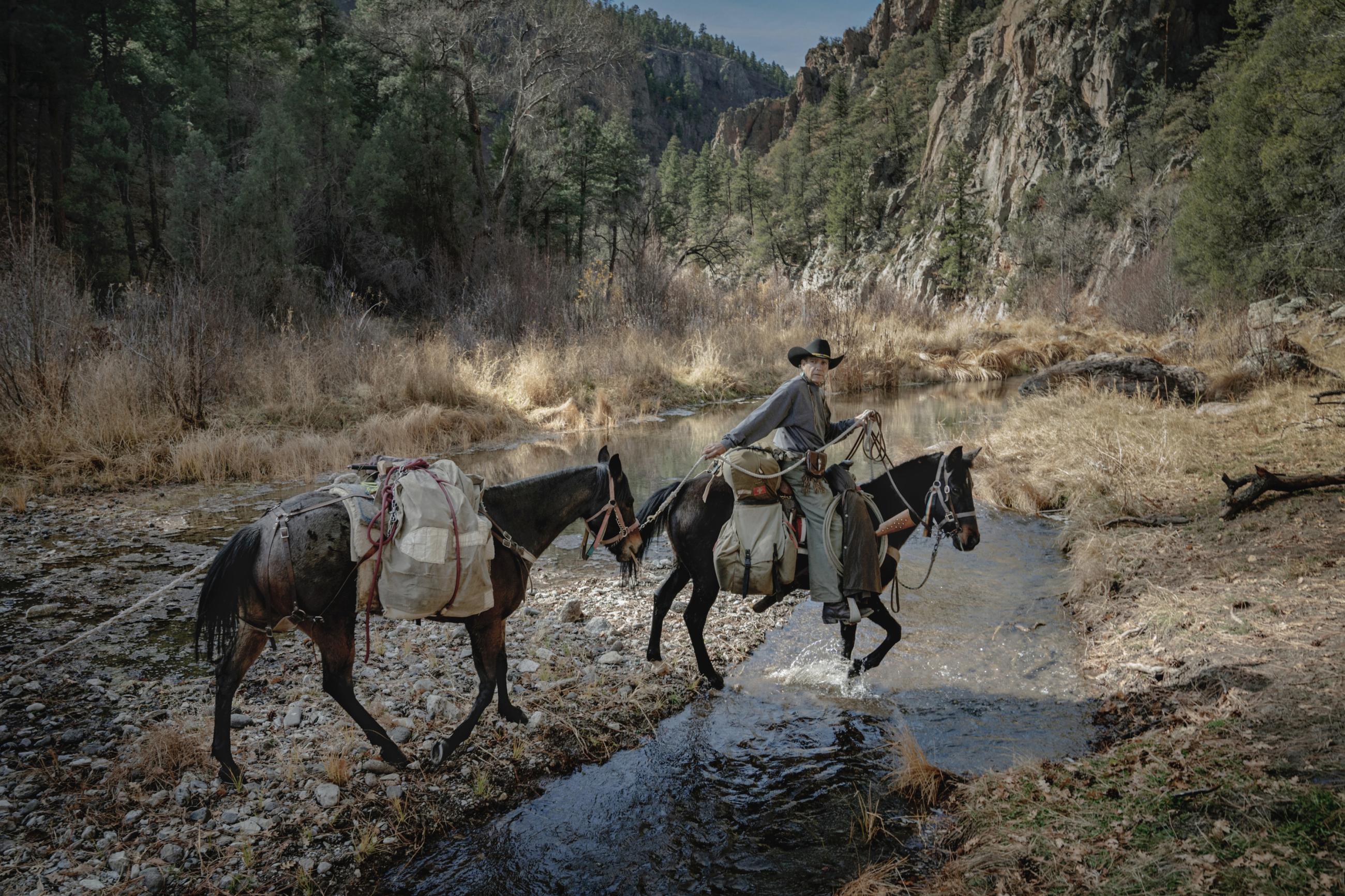
‘If the government’s idea of wilderness was putting the land back to the way it had been, then why not put the Apache back?’ asks backcountry guide Joe Saenz, a member of the Chiricahua Apache Nation who leads horseback trips exploring the Gila Wilderness. There is no specific word for wilderness in the Apache language he speaks, just a word for land: benah.
© Kathleen Orlinsky, United States, Winner, Sustainability Prize, 2024 Sony World Photography Awards
Untitled
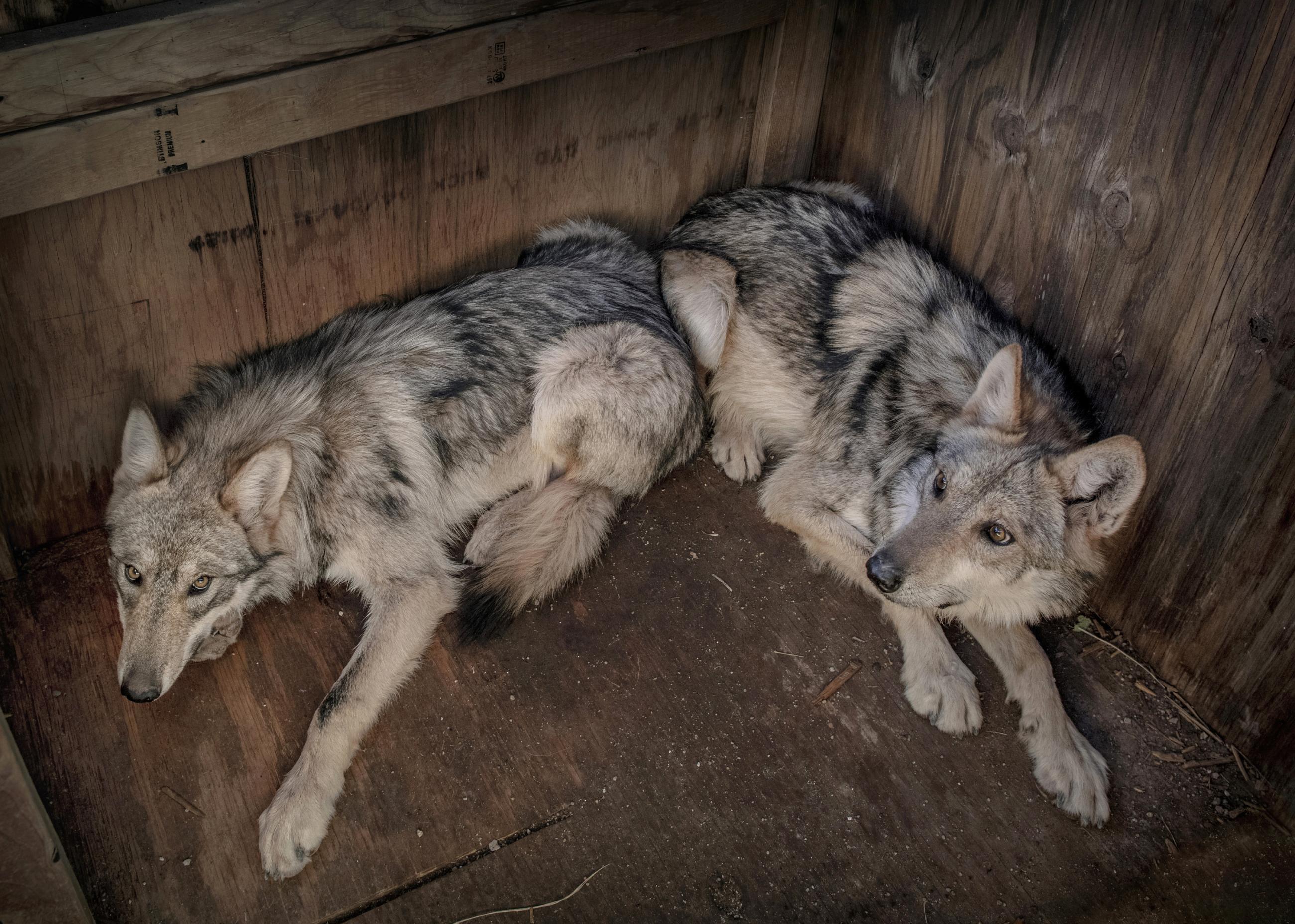
Over the last century the Mexican grey wolf – native to the Gila region – was nearly driven to extinction. However, in the 1980s the Mexican Wolf Recovery Plan started to reintroduce them into the Gila Wilderness. Here, biologists from the U.S. Fish and Wildlife Service capture Mexican grey wolves at a facility east of the Gila Wilderness.
© Kathleen Orlinsky, United States, Winner, Sustainability Prize, 2024 Sony World Photography Awards
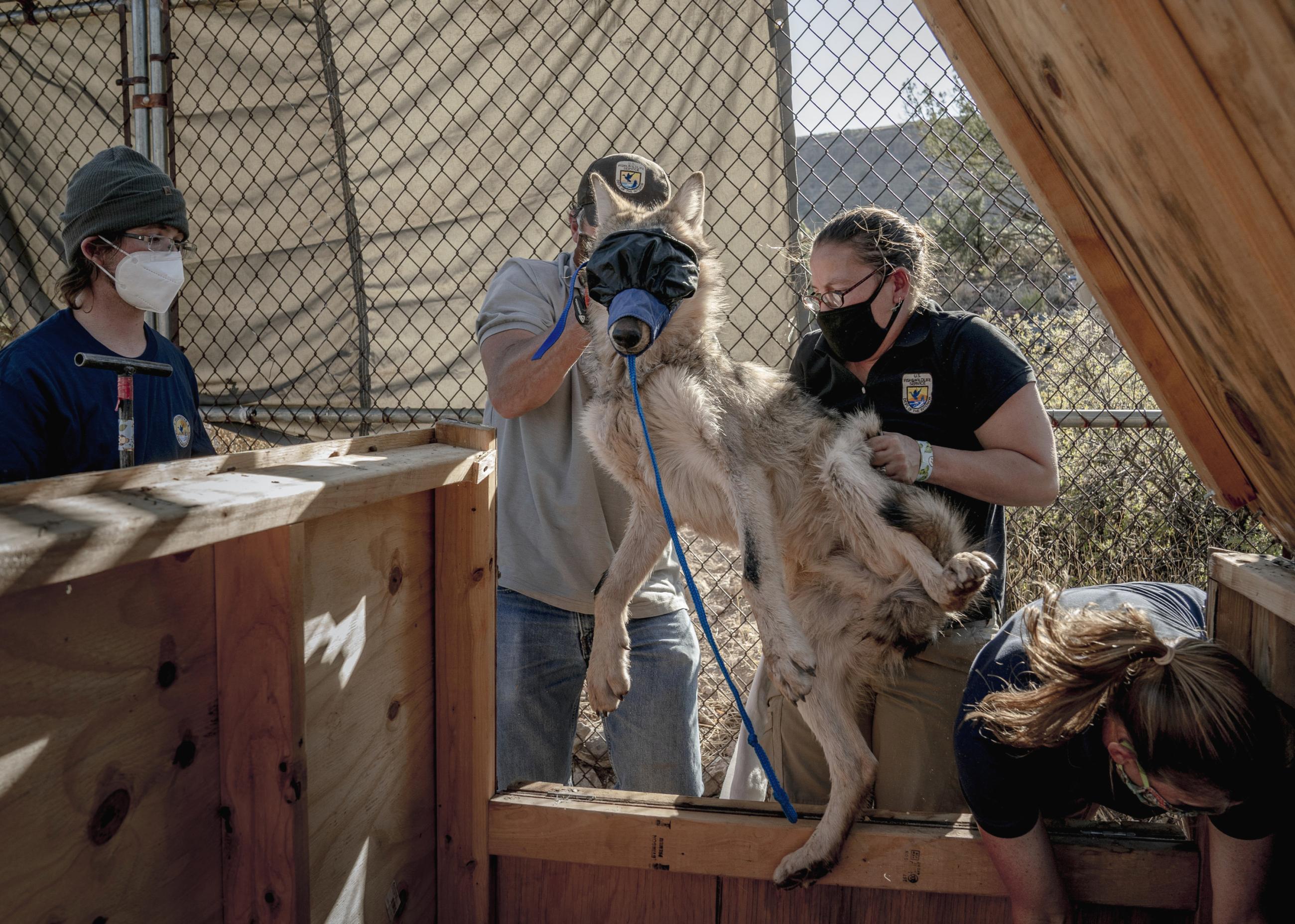
Untitled
Before they can be reintroduced to the Gila Wilderness, captured Mexican grey wolves have to be vaccinated. To keep the wolves calm while the vaccines are administered, they are first blindfolded.
© Kathleen Orlinsky, United States, Winner, Sustainability Prize, 2024 Sony World Photography Awards
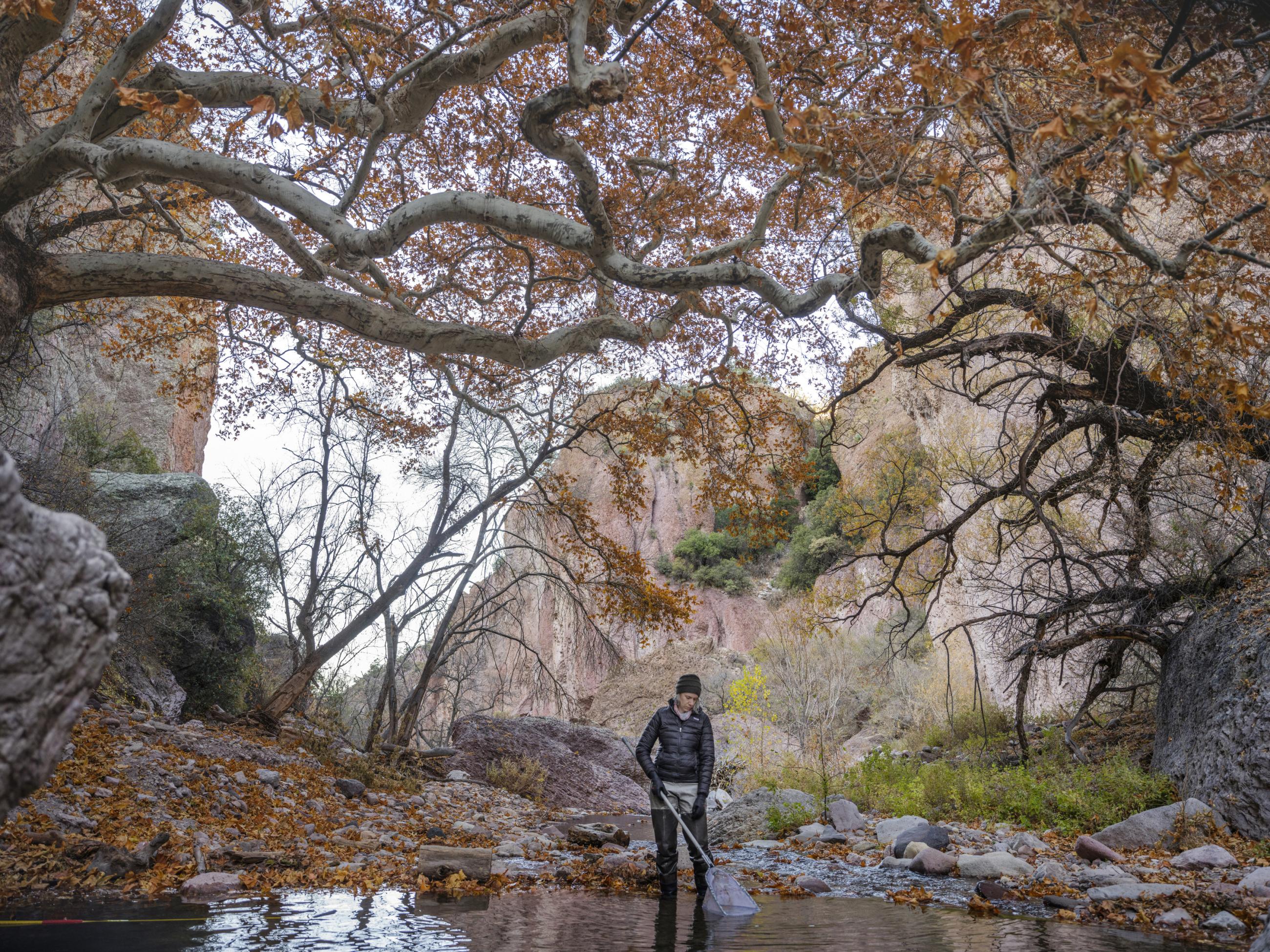
Untitled
Biologist Jill Wick inspects a stream stocked with young Gila trout in a conservation effort to restore the species. The Gila Wilderness is now one of the few places in the world where you can find Gila trout, although their existence has been threatened since the late 19th century due to overfishing, habitat deterioration and the introduction of non-native trout species.
© Kathleen Orlinsky, United States, Winner, Sustainability Prize, 2024 Sony World Photography Awards
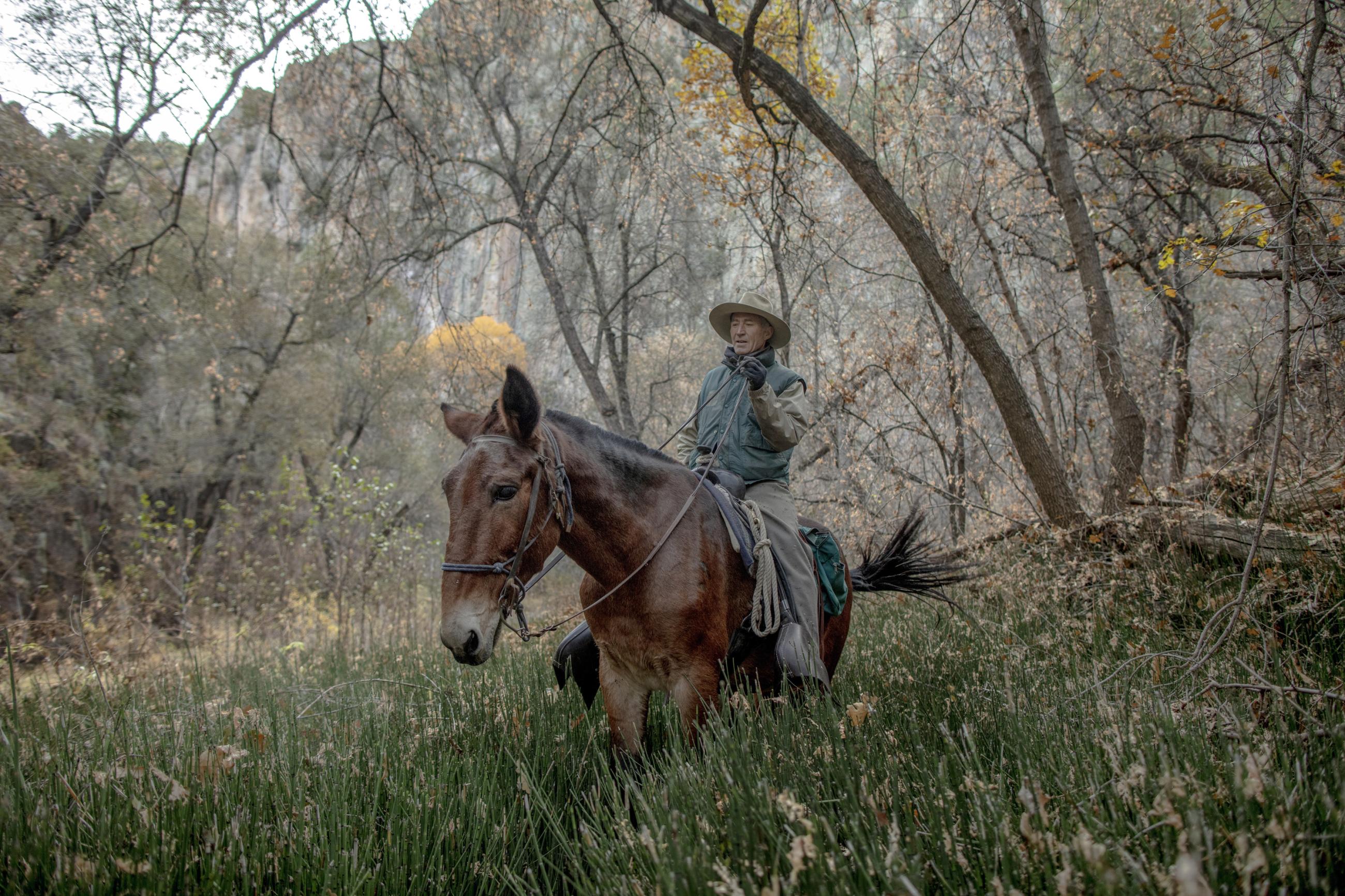
Untitled
Zack Crockett, a wilderness outfitter, rides along the middle fork of the Gila River. The rugged terrain of the Gila Wilderness can only be explored on foot or by pack animal.
© Kathleen Orlinsky, United States, Winner, Sustainability Prize, 2024 Sony World Photography Awards
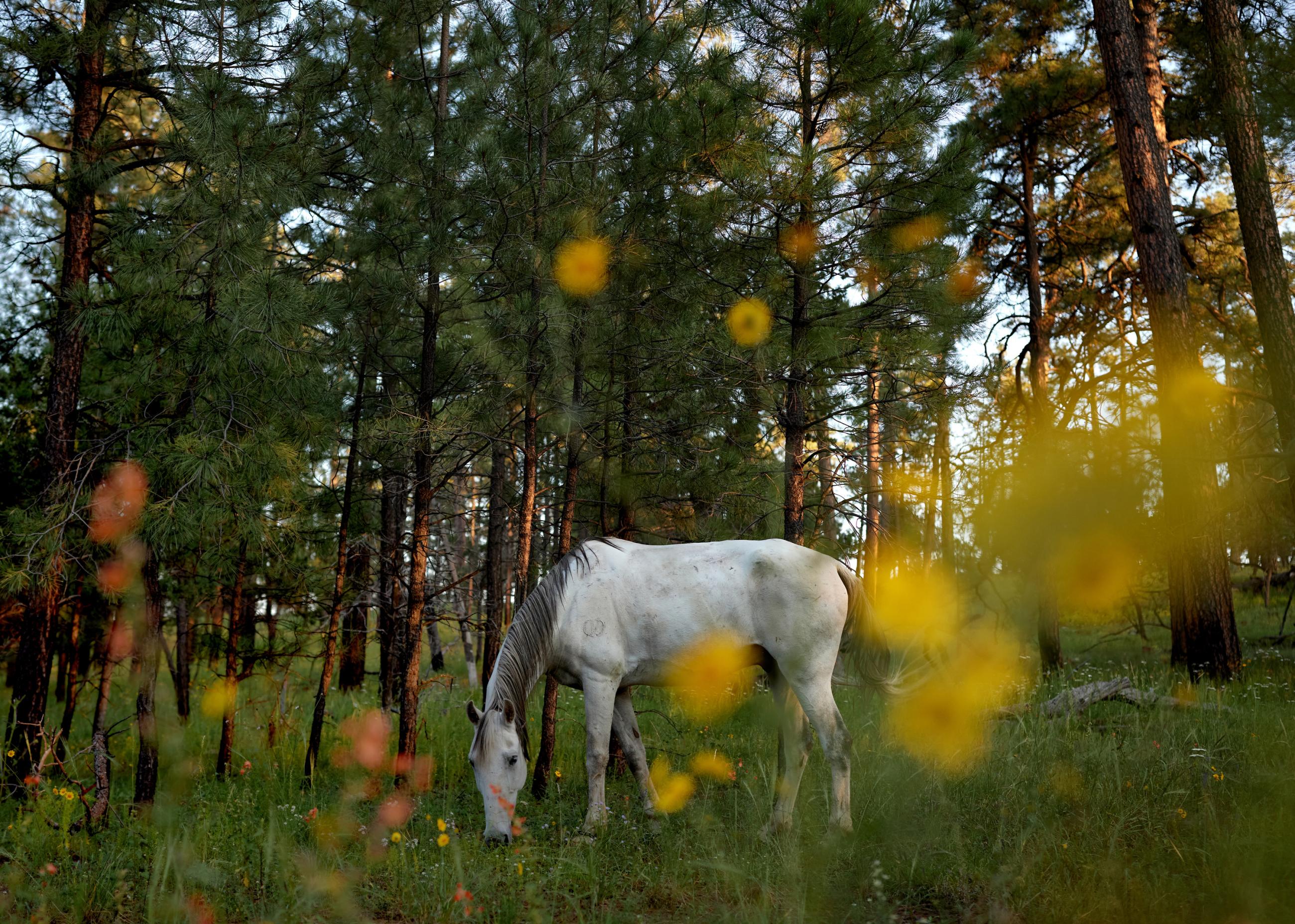
Untitled
After a day of riding into the high country of the Gila Wilderness, a horse rests amid the spruce, fir, pine and quaking aspen trees. In addition to grasslands, juniper woodlands, spruce-fir forests and mountain meadows, the diverse ecosystem of the Gila contains one of the largest and healthiest ponderosa pine forests in the world.
© Kathleen Orlinsky, United States, Winner, Sustainability Prize, 2024 Sony World Photography Awards
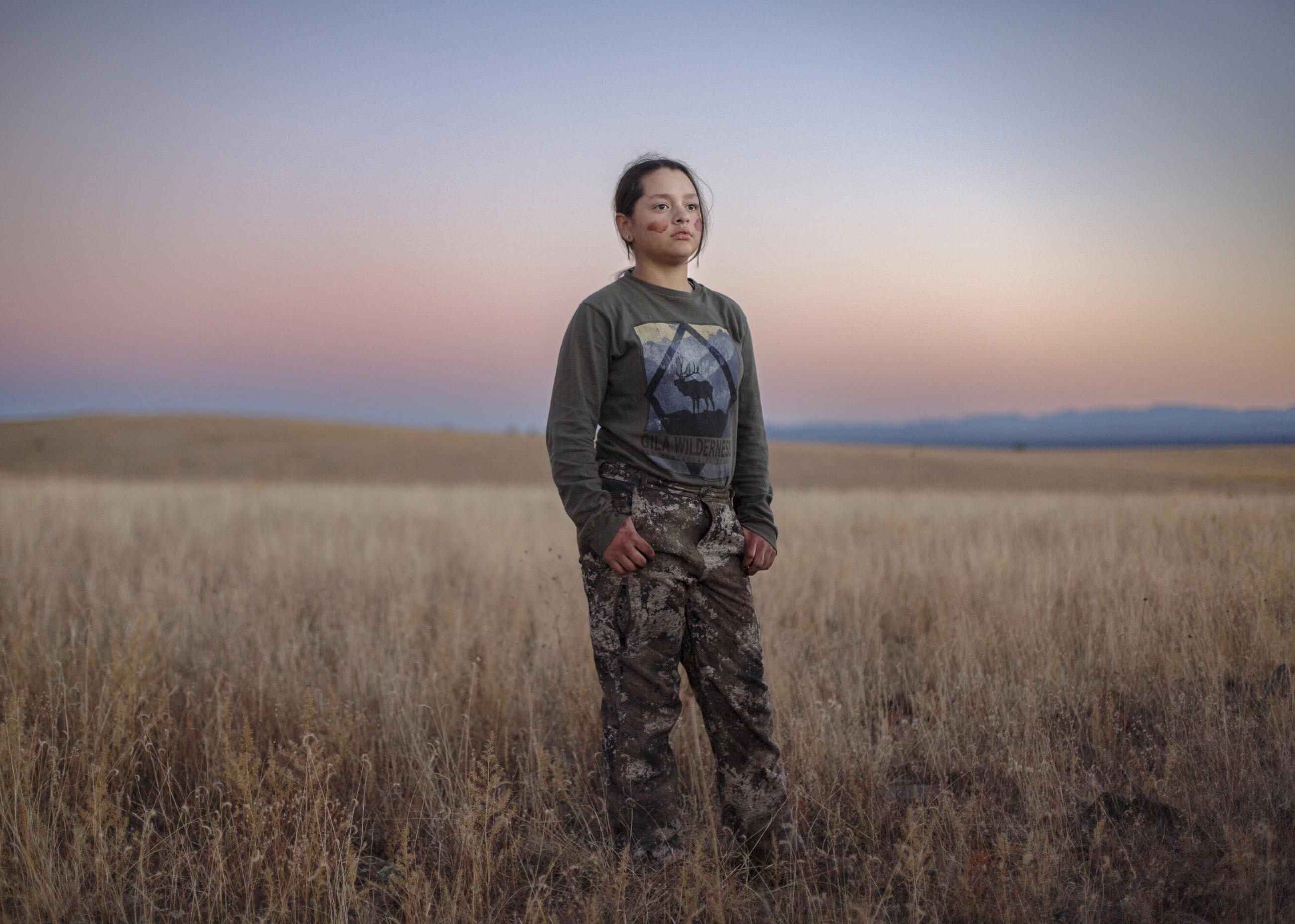
Untitled
Lainey Lopez on her first elk hunt in the Gila Wilderness. After she shot the elk, her father Michael Lopez made an offering and painted Lainey’s face with the animal’s blood. The hunt was part of a program working to bring youth into the sport. Wilderness areas like the Gila permit hunting, but do not allow the use of motorised vehicles or the construction of roads.
© Kathleen Orlinsky, United States, Winner, Sustainability Prize, 2024 Sony World Photography Awards