The Barefoot Volcanologist: Interview with Elle Leontiev, Open Photographer of the Year

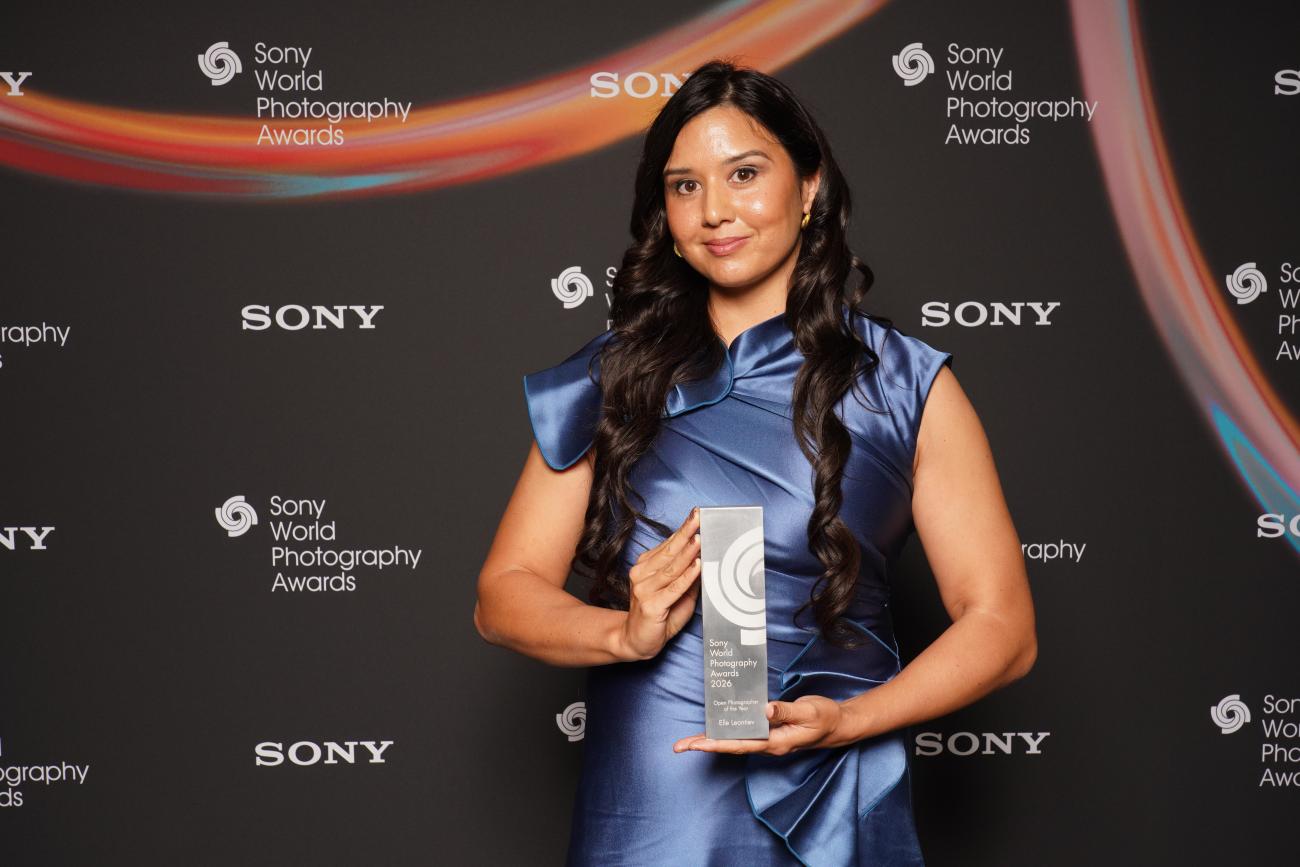
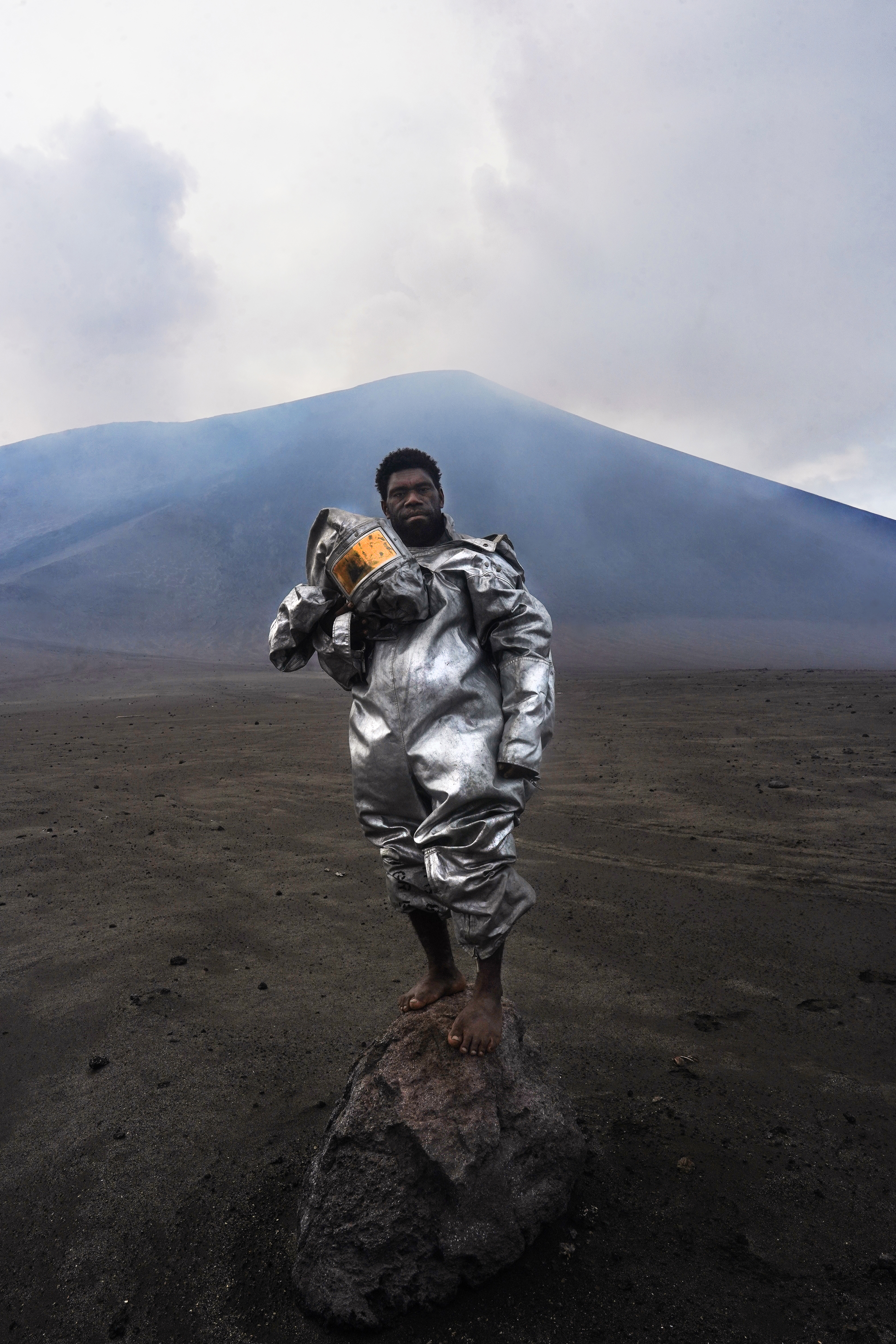
Meet Elle Leontiev, the Sony World Photography Awards 2026 Open Photographer of the Year, whose winning portrait captures Phillip Yamah, an Indigenous volcanologist living in the shadow of Mount Yasur, an active volcano on Tanna Island, Vanuatu. In this interview, Elle reflects on the story behind her award-winning photograph, the challenges of photographing in an extraordinary volcanic landscape, and how the image has helped raise $10,000 CAD towards supporting Phillip’s son John in pursuing his own future in volcanology.
She also shares her approach to documentary photography, finding a distinctive visual voice, and the power of photography to create meaningful change.
Congratulations on winning the Open competition this April! I know it's still early days but what has that been like for you?
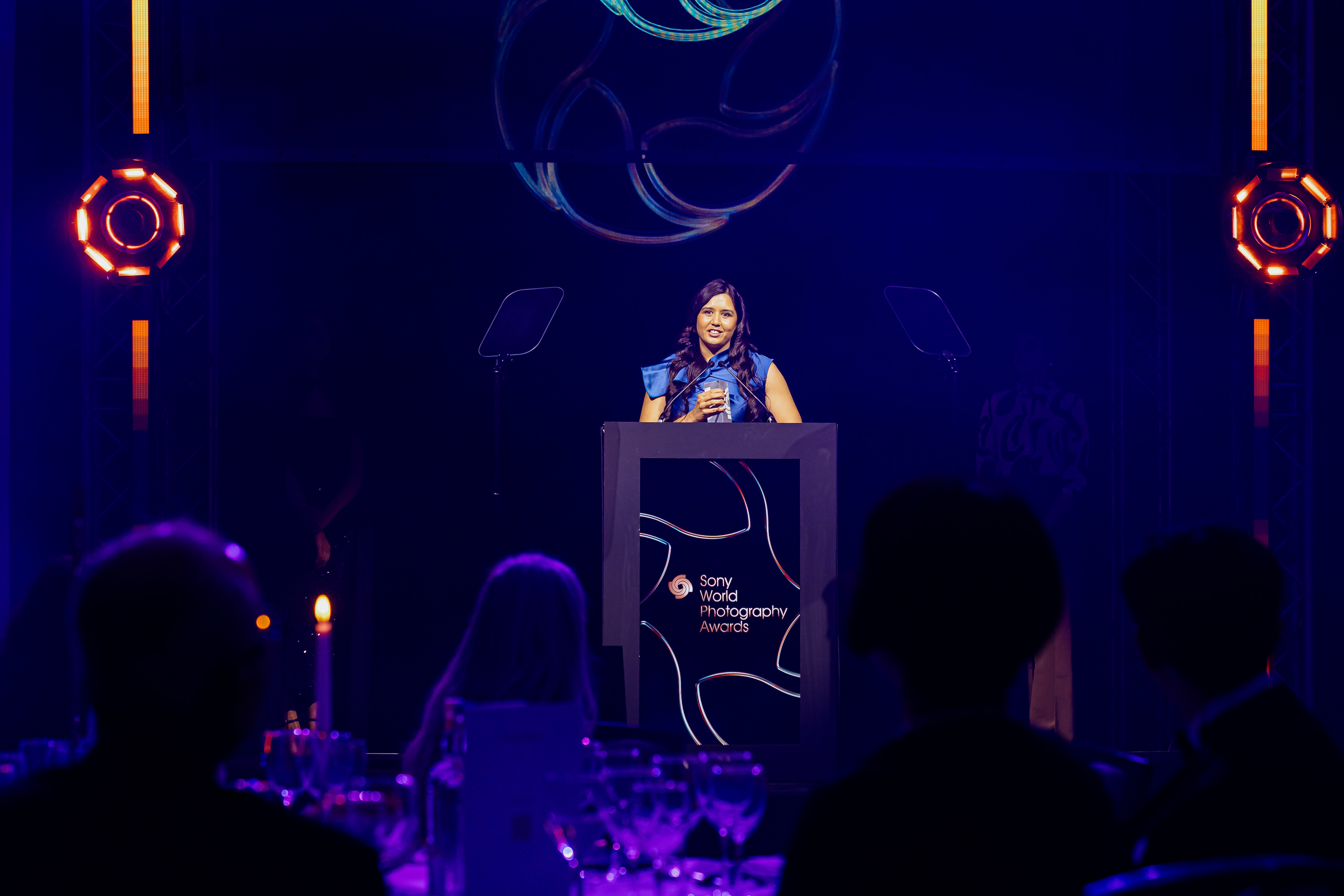
Thank you! Winning the Open Photographer of the Year in the Sony World Photography Awards 2026 has been an experience that I cannot believe has happened to me. It’s given way to a year of incredible opportunities from being exhibited all around the world in London, Tokyo, Milan to speaking at conferences about my work. It has been incredibly exciting and I've met so many amazing artists and people along the way.
Let's rewind right back to the beginning. Tell us a bit about yourself. How did you get into photography?
I’ve been a practicing photographer for over ten years and three years ago I formalised my practice by studying photography and then worked on building my own visual language. Since then I have worked on multiple documentary photography trips across the South Pacific, which is where I took the winning image. I love all aspects of photography from developing dark room images to creating cyanotypes. I love to experiment with the medium.
Your winning portrait features Phillip Yamah, a barefoot volcanologist. What inspired you to tell his story?
For me, it’s very important to tell unique stories of lives, people and places rarely seen by the mainstream world. I think it’s important for people to experience something beyond themselves and their familiar environment, and Phillip’s story is something most people cannot comprehend. There is something magical about a life so different from our own, and it inspires a sense of fascination and curiosity.
When I stayed with his family and heard his story, I thought he was living such a unique and special life, with challenges most of us could never imagine. He also hadn’t received the kind of recognition I felt he deserved as an Indigenous volcano scientist.
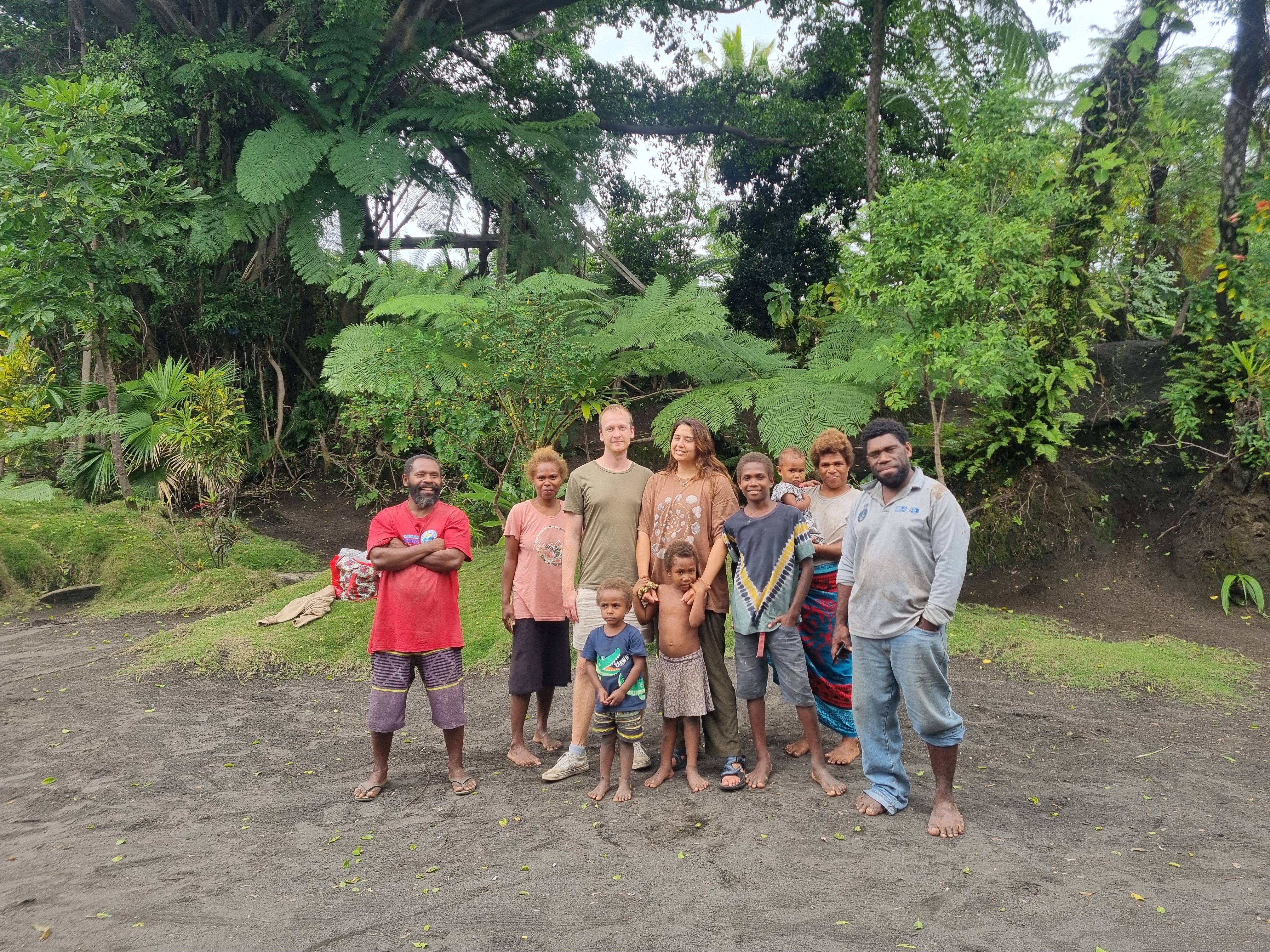
He told me about his struggles to send his son into higher education, something that unfortunately wasn’t an opportunity available to him to formally develop his own scientific practice. I told him I would enter the pictures into some photography competitions and if something came from them, we would use the opportunity to promote the GoFundMe to help support his son’s education.
What was it like photographing in this environment on Tanna Island, Vanuatu, at the foot of the active Mount Yasur volcano - and how did the conditions shape your approach to light, timing and exposure?
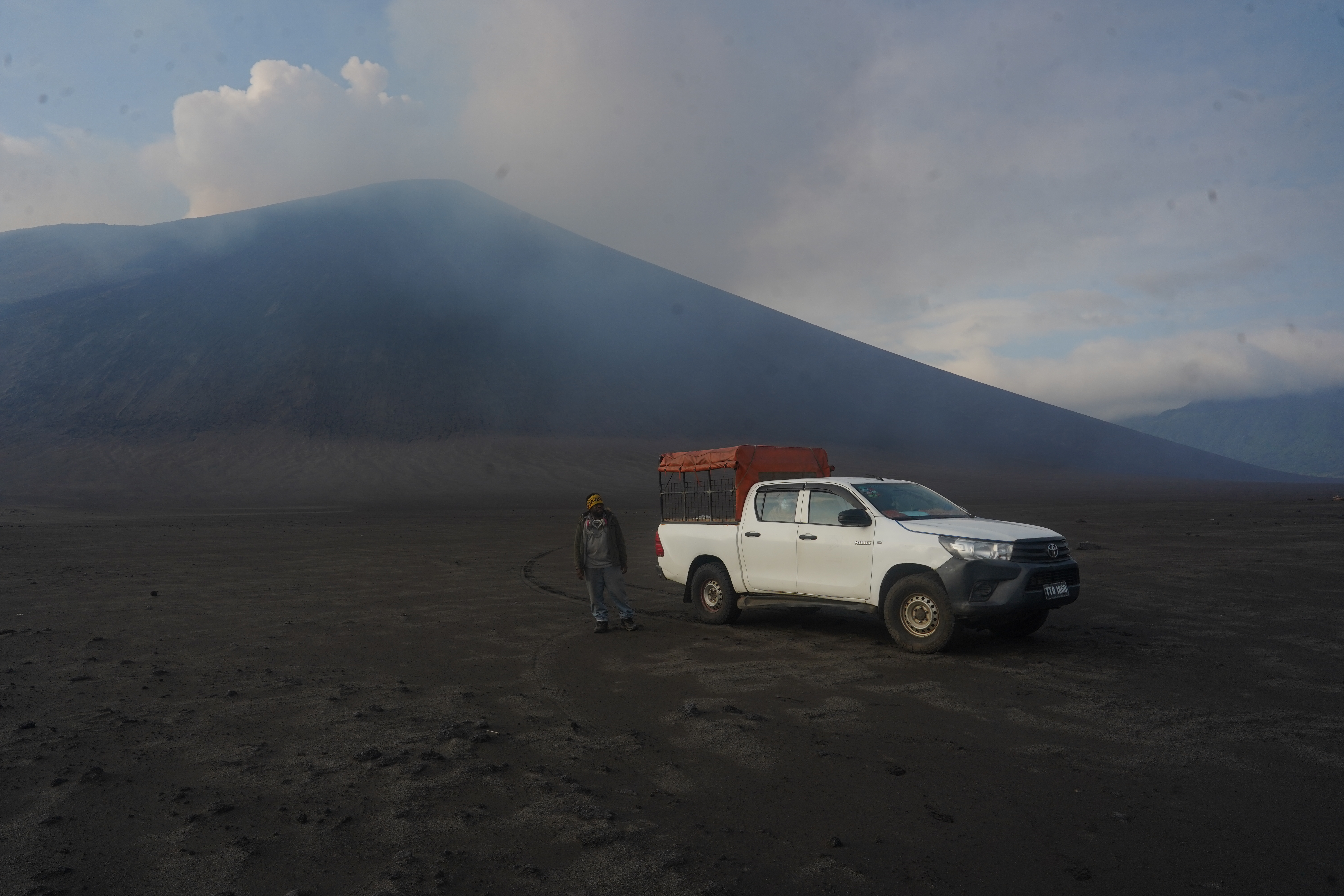
I would like to say that I had everything perfectly planned and all my settings completely correct, but the previous evening the village electricity shorted my camera screen and burnt out my viewfinder. So I ended up shooting the image completely blind, relying on instinct and the beep of the sensor taking the images.
The previous day I had hiked across the ash plain and found several strong perspectives and locations, taking my own images and working out how the light and landscape were behaving. So when it came time to photograph Phillip, I already had a library of locations in my mind that I could work from.
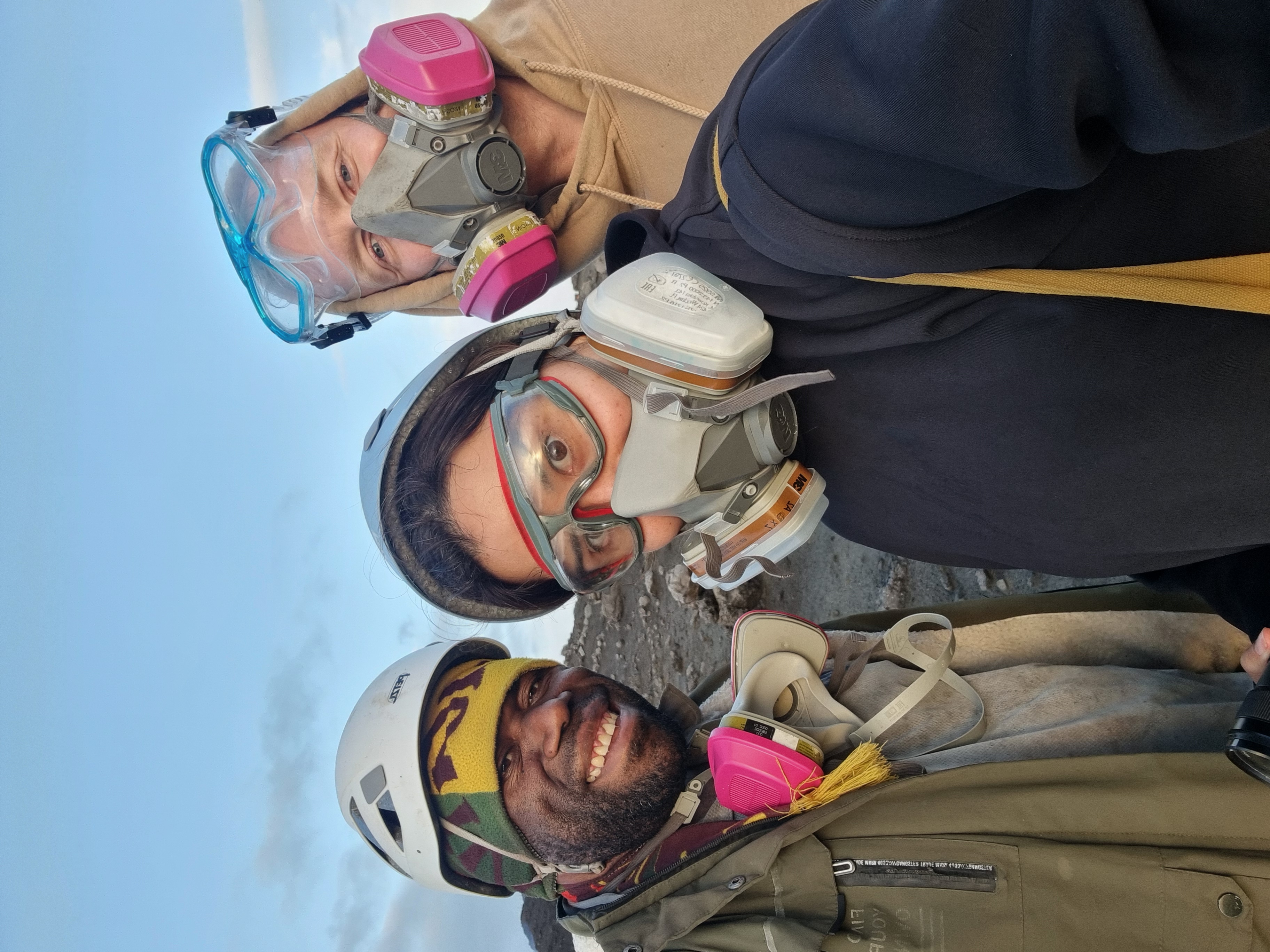
The conditions were still extremely challenging. The sulfur and ash cloud was thick that day, with acid rain falling and sulfur stinging my eyes. Without being able to see through the camera, I had to rely heavily on everything I had observed the previous day, my understanding of the light and my instinct in the moment. It became much less about perfect settings and much more about trusting myself and responding to the environment to create something different.
What were the key creative decisions you made making this photograph? What was the biggest challenge?
The biggest challenge taking this image was working with the ash cloud sweeping across the landscape and the sun naturally rising behind the subject. The location on the other side of the volcano is dense jungle and ridges so I had to work with the environment and shoot in a less traditional way.
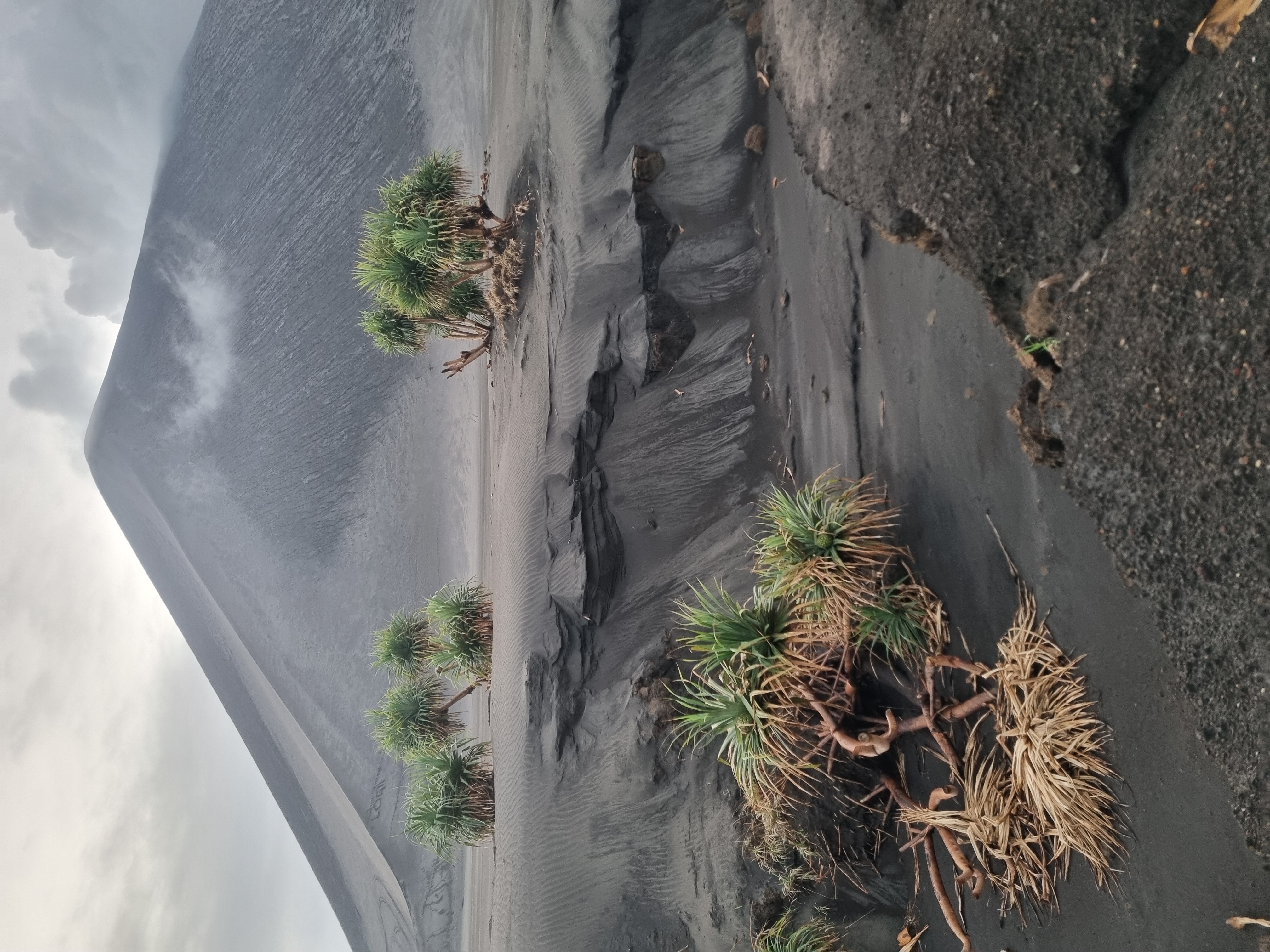
We hadn’t had any golden light days which brought a certain cinematic and desolate feel with blue and silver tones present in the morning. Nevertheless, I knew the subject would carry the image beyond the less traditional shooting conditions and it all came together regardless of what was happening around us.
You mentioned you were introduced to Phillip's family and invited into their home. Was there a particular moment or encounter from your time there that has stayed with you?
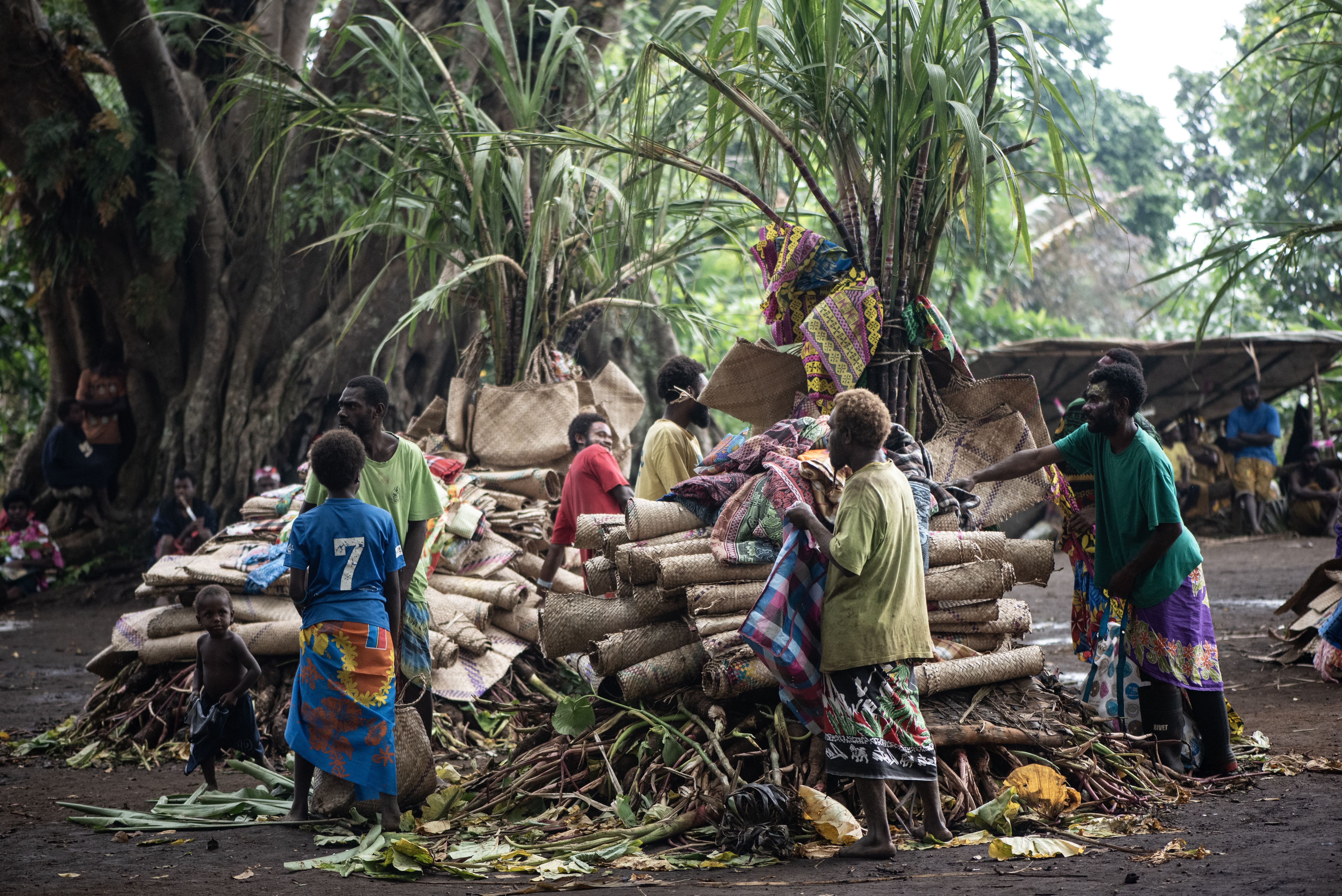
There were so many special moments it’s very hard to choose one. The Ni-van people love to sing and we spent one evening singing songs together in the pitch black evening against the sound of the volcano rumbling and the earth shaking beneath our feet. The whole location is so surreal it’s an experience I will never forget.
Since the win, Phillip's story has reached a huge audience - including a crowdfunder that's helped support his son John's path to studying volcanology. What's it been like watching the image create that kind of real-world impact?
Honestly, I don’t think anyone expected this image and campaign to go as far as it did. I remember standing on the ash plain telling Phillip that I would try to make something of it, but the photography world is competitive and you never know how your work will be received. I told him not to get his hopes up, but that I would try. I guess I proved myself completely wrong.
Since then, we have achieved everything we set out to do and raised $10,000 CAD for his son John’s higher education. It has been a life changing experience for everyone involved.
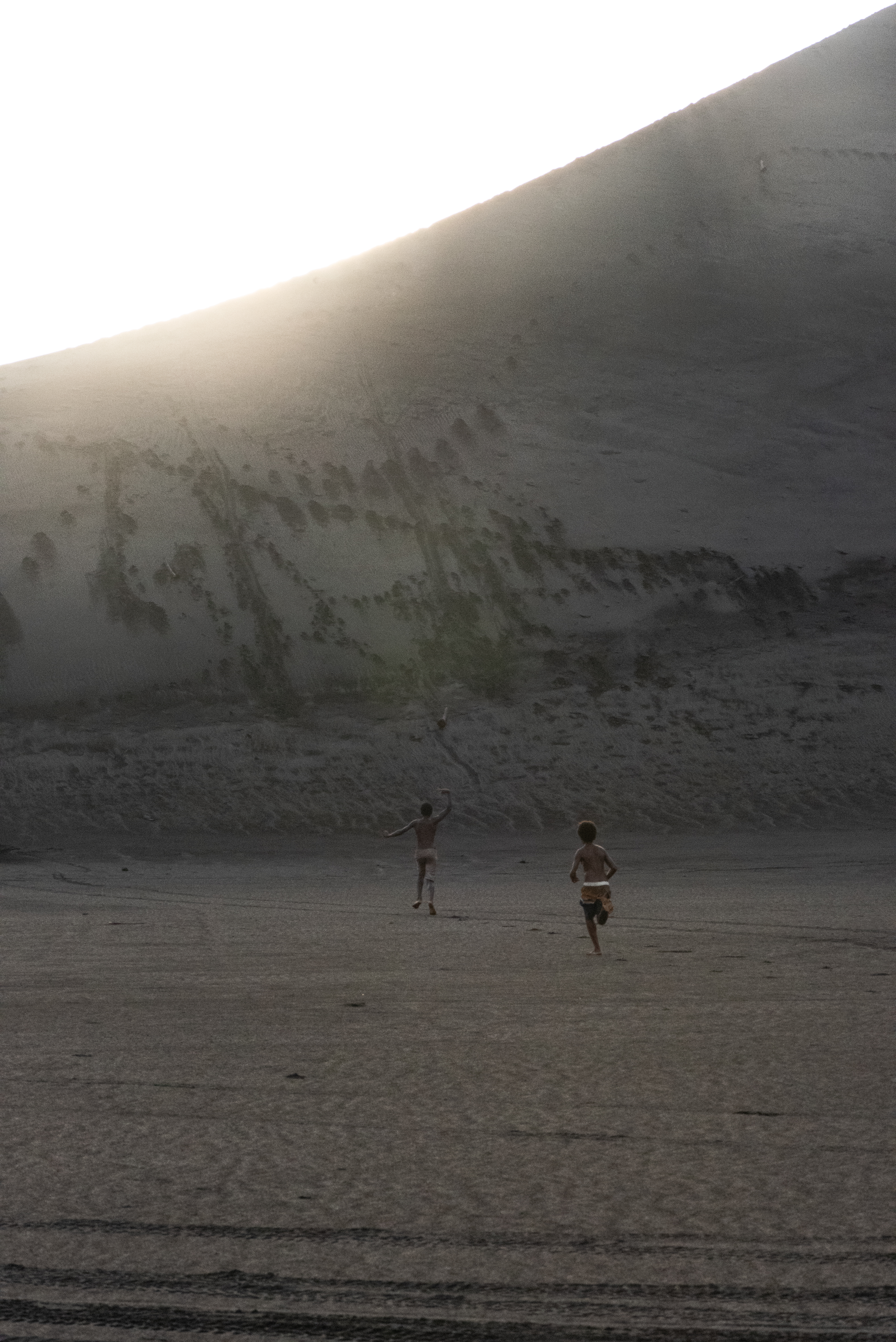
What has meant the most to me is seeing that the image has gone beyond recognition in the photography world and actually created something tangible for Phillip and his family. Just recently, John has been working in the science lab in Efate and building his skill set as he works towards his future in volcanology.
For me, that is the real impact of the image. It has opened a door for someone who may not otherwise have had that opportunity, and it has been incredible to watch that journey unfold. I believe in photography as a medium to change the world and i think i have achieved just that.
What do you hope people will take away from seeing your work?
That there is magic in the world and you should go find it for yourself.
What tips would you give to photographers entering the Sony World Photography Awards?
Follow your interests and reflect your unique world view into your images, don’t follow trends or imitate the next popular style. Choose something uniquely you that only your perspective can provide. Choose what you think is different, meaningful or unique that will offer the world a point of interest or reference they haven’t seen before.
Do you have any rituals, routines, or small things that help you stay creative?
I journal daily, write down my ideas and connect with issues that matter to me through media and reading books about remote locations, environmental and social issues and so on. I like to look at artworks and see how I can incorporate styles to develop a unique visual language. And i’m always experimenting with all kinds of photographic mediums to keep things interesting and find new ways to express my ideas.
What have you been working on since winning the Award, and what are your plans for the future?
I’ve been working closely with the Greenlandic community on a photographic series and next year I will head to the remote settlement of Qaanaaq to continue producing a new series about culture, social pressures and climate change in remote areas.
And, finally - do you listen to music while you edit or shoot? If so, what's currently on your playlist?
I usually go for something calm but exotic, Khurangabin, Connaissais de Face is always on my playlist but lately I have been taking it back to the 90s with Moby and Morcheeba.
About Elle Leontiev
Elle Leontiev is a practicing photographer of 10 years, working across digital and fine art darkroom techniques. She believes in photography’s power to influence society, exploring humanity, nature and our place in the universe through her images.